On a humid June morning in Echo Park, Mia stood on her sagging front porch and watched the city breathe—cars humming, a dog barking two houses down, and the sharp metallic clack of a dumpster being dragged into place. She had scheduled dumpster removal for the renovation of her bungalow, partly to clear out a lifetime of boxes and partly to make space for a new beginning. The crew’s arrival felt like an exclamation point: the past would finally be hauled away.
Setup: The House, the Plan, and the Neighborhood
Mia’s house smelled faintly of old paint and lemon oil. Her living room was a museum of decisions: stacks of yellowed magazines, a sofa whose springs complained when sat upon, and a kitchen sink that had seen better decades. She had called three dumpster companies while sipping coffee at her favorite café in Silver Lake, then booked a local crew based on a polite voice and reasonable flat-rate pricing.
‘We’ll deliver a 20-yard and pick it up in seven days,’ Ramon had said on the phone, his voice steady enough to calm her nerves. He worked out of Long Beach but knew the neighborhoods of Greater Los Angeles like the back of his hand. ‘If you think you’ll have a lot of concrete or dirt, tell me now. We’ll swap to a roll-off 30 to save you on overage charges.’
Neighbors peeked over fences as the truck reversed into the curb in front of Mia’s bungalow. Across the street, a woman from Burbank waved—she’d noticed the crew when they once cleared a patio in Hollywood. In LA, dumpsters are small public dramas: the smell of sawdust, the scrape of metal, a conversation about permits and parking that inevitably includes mention of Venice, Pasadena, or the pier at Santa Monica.
Rising Action: The Mess Grows, Questions Multiply
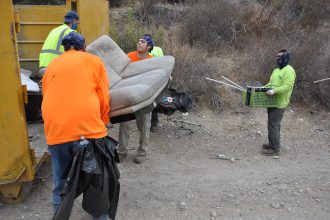
The first day was rhythmic. Sheets of drywall came down with a thud; cabinets were unbolted and tossed; the old tile she had loved was pried up and slid into the dumpster like a surrender. With every load, the pile grew taller and noisier. The city felt close and far at once: palm trees nodded in the breeze, but the smell of diesel and wet wood was uncompromisingly urban.
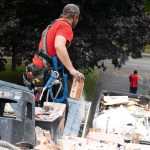
‘Careful with that box,’ Ramon warned as a volunteer named Tasha hefted a crate of old harmonicas and a stack of photo albums. ‘Photos and electronics, we try to keep dry. Wet cardboard adds weight, and that gets expensive.’ His crew moved with practiced choreography, ropes and ladders and small rituals of safety.
Mia had a hundred tiny decisions to make. Should she keep the antique sink? Can the mirror go to a donation center in Glendale or Pasadena? What about the old paint cans in the garage—hazardous, surely. Each item forced a new question about waste, cost, and conscience. The dumpster became more than a receptacle; it became a ledger of choices.
Word traveled quickly through the block. A contractor from Culver City stopped by with advice. A neighbor from West Hollywood leaned over to ask if they needed extra help hauling plaster. Someone mentioned permits—apparently, placing a roll-off on the street in downtown Los Angeles or along a narrow Venice lane requires a curb-placement permit from municipal services. Ramon nodded; he’d handled the paperwork before, often helping customers get the right permit when the roll-off blocked more than a single parking lane.
Key Insights Woven Into the Story
Between the clatter and the banter, Mia learned practical lessons about dumpster removal in the Greater Los Angeles area:
1) Dumpster size matters. A 10-yard dumpster is perfect for small cleanouts—think attic or basement. A 20-yard one, what Mia called a ‘Goldilocks’ size, fits kitchen remodels and most mid-sized renovation debris. For whole-house gut jobs, 30-yard or 40-yard containers are the standard; they’re larger and require careful placement.
2) Weight and materials count. ‘Concrete, dirt, and tile weigh a ton—literally,’ Ramon said, and he wasn’t being dramatic. These materials can push you into overage fees. He recommended separating heavy masonry into a different bin or arranging a special quote that includes higher weight allowances, often needed in areas near Torrance and San Pedro where hardscaping projects are common.
3) Permits and parking. In narrow neighborhoods—Echo Park alleys, parts of Northridge, or the historic streets of Pasadena—parking a roll-off on the curb might require a permit. City permit offices differ from neighborhood to neighborhood. A quick call to local municipal services, or letting the dumpster company handle the permit, saves headaches and sometimes fines.
4) Prohibited and hazardous items. Paints, solvents, tires, batteries, fluorescent bulbs, and asbestos-containing materials can’t go into standard dumpsters. Los Angeles residents often take these items to designated hazardous waste drop-off days or specialized facilities. Donation is another route: Goodwill, Habitat for Humanity ReStore in Pasadena, or local charities in Glendale and Burbank accept certain furniture and fixtures.
5) Recycling and diversion. Greater LA has strong recycling goals. Concrete, metals, and clean wood often get diverted from landfills to recycling centers. Ramon pointed out that when crews separate metal and wood on-site, they save costs and reduce landfill fees—a civic and economic win.
Midpoint: Tension on a Narrow Street
One afternoon, the project nearly ground to a halt. Mia’s street is narrow; the roll-off, stacked high with plaster and lumber, took up a lane. A delivery truck for a nearby café couldn’t pass, and tempers flared. The café owner from San Pedro knocked on Mia’s door with coffee and concern.
‘This alley was clear at seven,’ she said, voice steady but pointed. ‘We have deliveries at noon.’ It was a small crisis in the grand scheme, but real. Ramon walked the block with the café owner, plotting a solution: reposition the dumpster to Mia’s driveway for the last three days, with padded boards to protect the concrete, and schedule pick-up after the weekend rush.
‘We can move it,’ Ramon said, rubbing oil off his hands. ‘It’ll cost a little, but community harmony is worth it.’
Mia felt the weight of neighborhood relationships settle on her shoulders. A dumpster in LA is not only a container; it is a social object that affects traffic, noise, sightlines, and even the neighbors’ morning moods. She paid the extra fee and watched as the crew shifted the bin into her driveway, a careful ballet of straps and pivots, the sun catching on a chrome hinge.
Resolution: Clearing Space, Building Future
By the third week, the house felt lighter. The dumpster was a monument to progress—scars of drywall peels and the last of the old tile glinting at the bottom like a fossil. The crew cleaned up the perimeter, swept sawdust into neat piles, and hauled away what they could recycle. Volunteers from a nearby community center took boxes of gently used books and plates. The old sink, after a day on neighborhood apps, found a new owner in Santa Monica who wanted to restore it for a beach cottage.
On the morning of pickup, a neighbor from Hollywood lingered on the porch and said, ‘You did the right thing. It looks like space again.’ Mia felt it: the house exhaled. The truck pulled away with a satisfied groan, leaving a faint trail of oil on the street and a promise of change.
There was a final conversation by the open doorway, sunlight spilling across the floorboards where the old carpet had once been. ‘We’ll send the receipt and diversion report,’ Ramon said, handing Mia a tablet showing the types of materials collected and the percentage diverted from landfill. It was sobering and a relief to see numbers—forty percent recycled, twenty percent donated, the rest responsibly disposed of.
Takeaway: What to Remember and Do
As Mia sat on the front steps that evening, the city lights of Downtown LA glittered in the distance, and the smell of the ocean drifted faintly from Santa Monica. Her house was raw and promising. From the experience she and others on her block had learned practical rules that apply across Greater Los Angeles:
– Pick the right size dumpster for the job; 10-, 20-, and 30-yard dumpsters cover most needs. When in doubt, consult a local provider and account for heavy materials separately.
– Ask about weight limits and potential overage fees on the front end. Heavy materials like concrete and soil are billed differently than wood or cardboard.
– Check local permit requirements before the dumpster is placed on a public street. Let the provider handle paperwork if possible to avoid fines.
– Separate hazardous items and donate usable goods. Many neighborhoods from Burbank to Malibu have donation centers or hazardous waste drop-off days.
– Prioritize recycling and diversion. Proper sorting can lower landfill fees and support LA’s environmental goals.
Her neighbor from West Hollywood stopped by to admire the clean lines of the gutted kitchen and offered, with a laugh, a used box of tiles. ‘Don’t worry,’ she said. ‘We keep the city interesting.’ Mia nodded, grateful for the odd community that forms around messy, honest work.
When the renovation was finished months later, she hosted a small gathering under new string lights. The group included Ramon, Tasha, the café owner, and the contractor from Culver City. They toasted with cold drinks and shared stories of other projects scattered across Los Angeles—kitchens in Torrance, roof tear-offs in Northridge, yard makeovers near Malibu’s cliffs. The dumpster that had once seemed like a scar on the street became a memory of the beginning of something else.
The final image lingered: the empty driveway at dusk, a single palm silhouette against a cobalt sky, and the faint scent of sawdust and lemon oil transforming into night air. The city continued its slow, tireless hum. Somewhere between the Hollywood hills and the pier, old things found new lives, and what was left behind was carried off with care, counted, and turned into space for whatever came next.