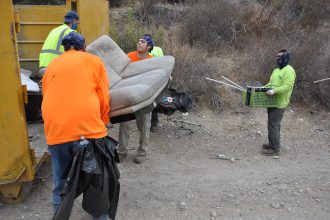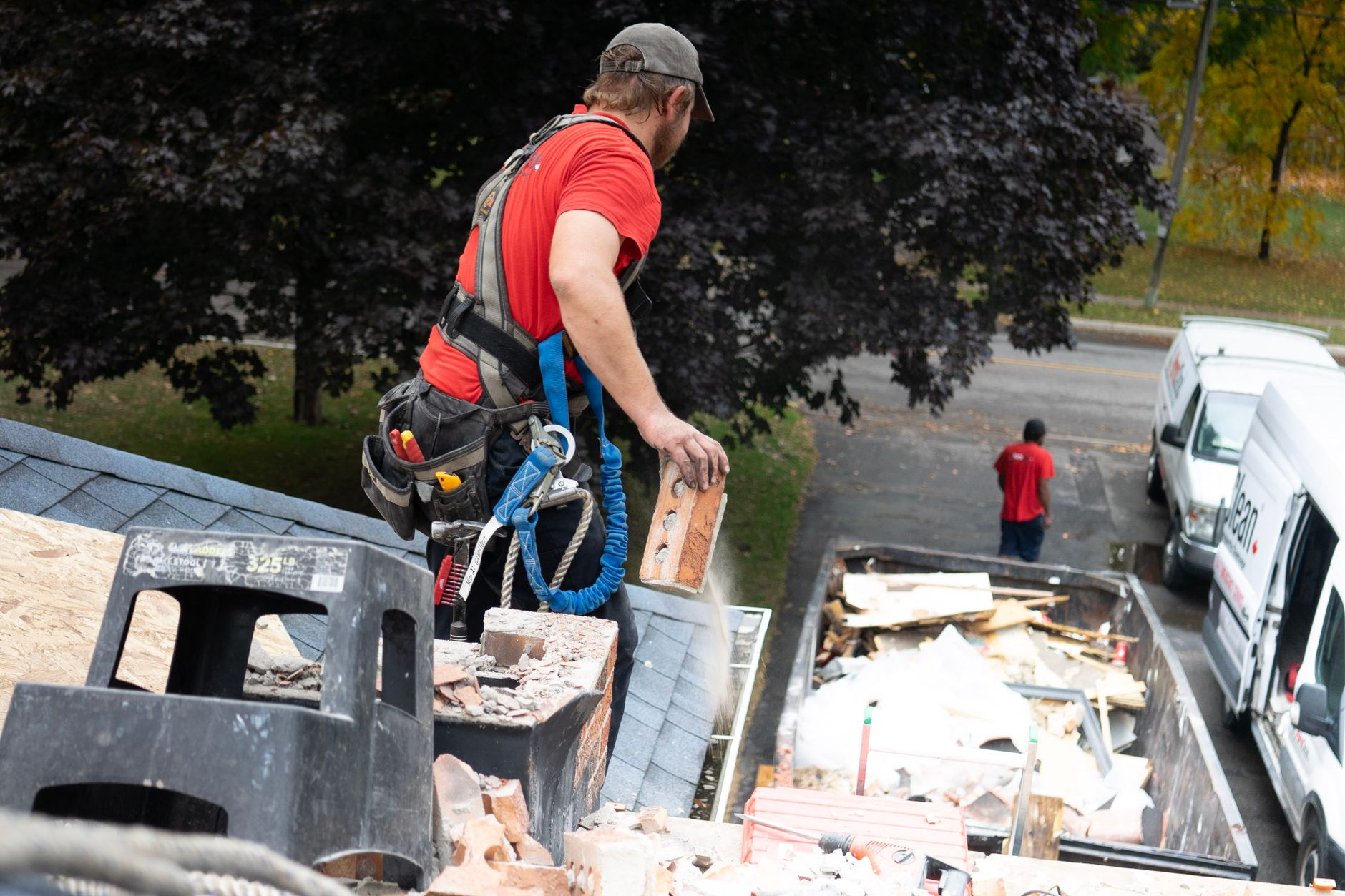
The first time I watched a dumpster arrive at my neighbor Rosa’s Silver Lake bungalow, it felt like the arrival of something both ordinary and miraculous — a hulking metal promise that the chaos of renovation would soon be contained. The truck rolled in under a sky the color of old movie posters, palm fronds whispering overhead, and the driver tipped the bin onto the driveway with a metallic thud that echoed down the block. Neighbors came out, drawn like moths to a bonfire: curiosity, relief, a little bit of envy. ‘It looks like a stage prop,’ someone joked. Rosa laughed, wiping concrete dust from her hands. ‘It feels like safety,’ she said.
Setup: Who’s in the Story and Why It Matters
Across Greater Los Angeles — from the beachside bungalows of Santa Monica to the craftsman homes of Pasadena, from the industrial stretches of Vernon to the tree-lined streets of Burbank and Glendale — dumpsters are the unsung vessels of transformation. They show up for kitchen guttings in Echo Park, for roof tear-offs in Inglewood, for landscape overhauls in Torrance, and for large-scale demolitions in Downtown LA. The cast of characters is varied: homeowners like Rosa, contractors scraping off layers of mid-century plaster, property managers juggling eviction cleanouts in Long Beach, and event organizers clearing stages in Anaheim.
What unites them is a moment of decision: what to keep, what to let go of, and how to move the debris of change without turning a neighborhood into a landfill. That decision brings you to the question: how do you choose the right dumpster removal plan in a place as sprawling and regulated as Greater Los Angeles?
Rising Action: Tension on a Tight Street
One humid July morning, a project on a narrow West Adams lot nearly derailed because of a permit mix-up. The contractor, Luis, had ordered a 30-yard dumpster for a full-house remodel. It arrived like a whale, magnificent and necessary, but the city cited him for blocking the public right-of-way. Neighbors complained about access for deliveries and the elderly tenant across the street who needed clear sidewalk for her walker. ‘If we’d known about the permit,’ Luis told me, leaning against the dumpster as the sun painted the corrugated metal gold, ‘we would have scheduled it differently. We lost two days, and the schedule slipped.’
Stories like Luis’s highlight a tension that runs through the region: the need to balance private renovation with public safety and city rules. In Los Angeles proper, as in many surrounding cities, placing a dumpster on the street usually requires a permit. Pasadena has its own rules; Long Beach may request different dimensions for curbside placement. Some neighborhoods — historic districts in Glendale or Venice’s narrow lanes — add another layer of constraints. Add to that the unpredictable LA traffic, narrow alleys, and the occasional film shoot, and logistics can feel like choreography.
Key Insights: Practical Lessons Woven into the Narrative
As Rosa and her renovator, Jamal, stood over the dumpster that afternoon, we talked about the choices they made and why. Jamal explained the practical steps with the kind of simplicity that comes from doing something a thousand times. ‘First, size it right,’ he said, pointing out the pile of old drywall. ‘You don’t want to pay for a 40-yard when a 20-yard will do. But you don’t want to play Tetris either.’ He showed me the modest rule of thumb: 10-yard for small cleanouts and yard work, 20- to 30-yard for typical home renovations, and 40-yard for whole-house jobs or commercial construction.
Size is just one variable. Here are the lessons Rosa learned by experience — and that I heard again and again while walking job sites from Santa Monica to Anaheim:
- Permits and placement: If the dumpster sits on city property — the curb or street — check your city regulations. In Los Angeles, Pasadena, Long Beach, and other municipalities, permits are commonly required and usually arranged by the rental company or contractor. Expect a few days for processing if a street permit is needed.
- Weight and pricing: Dumpsters are priced by size and often by weight. Concrete and soil are heavy; a small job of demolition material can hit weight limits quickly. Ask about flat-rate versus weight-based pricing, and request thresholds for overage fees.
- Prohibited materials: Paints, solvents, tires, batteries, compressed gas cylinders, and asbestos-containing materials are hazardous. Disposal of these items follows different rules and often needs specialized handlers. Jamal handed Rosa a small box for separated hazardous waste and told her where to take it to an authorized drop-off.
- Recycling and donations: In Long Beach and Torrance, facilities accept certain construction materials for recycling. Salvaging doors, fixtures, and working appliances for donation — to Habitat for Humanity ReStores or local charities — saves landfill space and often saves money.
- Driveway protection and placement tips: Place plywood under the dumpster’s feet to protect asphalt or brick. If curb placement is unavoidable, clearly mark the area and coordinate timing to avoid blocking street sweeping or deliveries.
- Scheduling: Los Angeles traffic makes timing essential. Early morning drop-offs and pickups avoid the worst of the commute, save waiting time for the truck, and reduce nuisance to neighbors.
Along the Way: Voices and Small Scenes
On a humid morning in Long Beach, a property manager named Elena walked me through a multi-unit cleanout. She had learned to phrase requests with empathy. ‘We tell tenants, don’t leave hazards in the pile,’ she said. ‘People think the dumpster is a magic box. It’s not.’ Her crew held a small meeting with a Spanish-English translator before the teardown. A worker named Marcus hummed as he loaded an old mattress into the bin: ‘There’s pride in getting it right,’ he said. You could see it in how they balanced the load, how they joked, and how they protected ornamental street trees with padded lumber.
At a commercial site near Downtown LA, a foreman checked paperwork against the city permit. ‘They turned up the fine heat today,’ he muttered, wiping sweat with the back of his hand. He double-checked weight manifests and the company’s recycling targets — projects often have sustainability thresholds to meet, especially near Santa Monica and other environmentally progressive cities.
Resolution: When the Last Piece Is Lifted
The day the dumpster left Rosa’s driveway, the street felt a little wider. She stood on the porch in her work boots, paint under her nails, and watched as the truck lifted the bin away with that same metallic thud. The crew waved; neighbors resumed their rhythms. Inside, the house smelled like lemon oil and sawdust, a scent that meant new beginnings. ‘I kept a few tiles,’ Rosa said, turning them over in her hand like relics. ‘But most of it had to go.’
Her contractor closed out the job with a checklist: permit closure where required, a final walkthrough to ensure no prohibited materials were left behind, and a tally of what went to recycling versus landfill. He also left Rosa a small card with instructions for future disposal of household hazardous waste — where to take old paint, batteries, and electronics so they don’t end up in a general-purpose dumpster. ‘People think it’s only about the big job,’ he said. ‘But the best projects think about what happens after the noise.’ That sentence lingered, like the last echo of the truck’s engine.
Takeaway: What to Remember and Do
If you’re planning a cleanup or renovation in Greater Los Angeles, remember Rosa’s story as a simple roadmap for a less stressful project:
- Estimate volume, not just items: Measure your space and ask a rental company for a size suggestion. When in doubt, choose a size up — the extra cost can be worth avoiding a second delivery.
- Check local rules: Confirm whether your city requires a street permit. If you’re in Los Angeles, Pasadena, Long Beach, Santa Monica, Glendale, or other cities, the requirements differ — ask the hauler to secure the permit or contact your city clerk’s office.
- Separate hazardous materials: Don’t assume the dumpster will take paints, batteries, or asbestos. Make a plan to dispose of these legally and safely.
- Protect the site and neighbors: Use plywood to shield driveways, schedule drop-offs during low-traffic times, and notify neighbors if you’ll occupy curb space.
- Ask about recycling and donation: Salvage what you can, and ask your provider whether they sort loads or use transfer stations that recycle concrete, metal, and wood.
- Get everything in writing: Quotes, weight limits, overage fees, pickup dates, and permit responsibilities. Clarity prevents the kind of delays Luis experienced on West Adams.
Dumpster removal isn’t glamorous. It is, however, a practical ritual of urban change — an ordinary moment when a neighborhood breathes in, lets go, and makes room for what comes next. As Rosa opened the door to her newly gutted kitchen and inhaled the dust and promise, she said, ‘It felt messy in the best possible way.’ The dumpsters, the permits, the hauling, the recycled beams stacked like quiet trophies — all of it tied into the city’s larger story of renewal.
Later that evening, under an LA sky turning deep purple, Rosa sat on her front steps with a cup of coffee and watched the streetlights bloom. The emptied driveway looked like a blank canvas. Across the block, someone started a small bonfire of reclaimed wood; the smell of smoke mingled with night jasmine. In the distance, the neon of a diner hummed. The city moved on, quieter now, each dumpster’s departure another small punctuation in the ongoing sentence of Los Angeles.
She kept the tiles, the driver closed his logbook, and the neighborhood, unburdened by yesterday’s wreckage, folded into the steady pulse of the city: work, pause, clear, build again.