The dumpster arrived like a plot twist—metallic, pragmatic, and oddly poetic—parked under a stand of palm trees on a sunbaked street in Santa Monica. Maya watched from her front stoop as a man in a reflective vest climbed down from the truck and tapped the side of the roll-off with a familiar, almost affectionate, thud. “There you go,” he said. “This one’s got a view of the ocean.” It sounded absurd, but the scene felt quintessentially Los Angeles: renovation dreams, a restless skyline, and an unromantic heap of drywall waiting to be reborn.
Setting the Stage
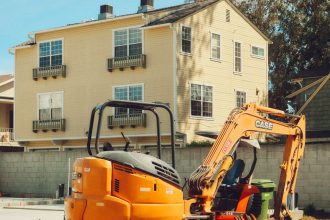
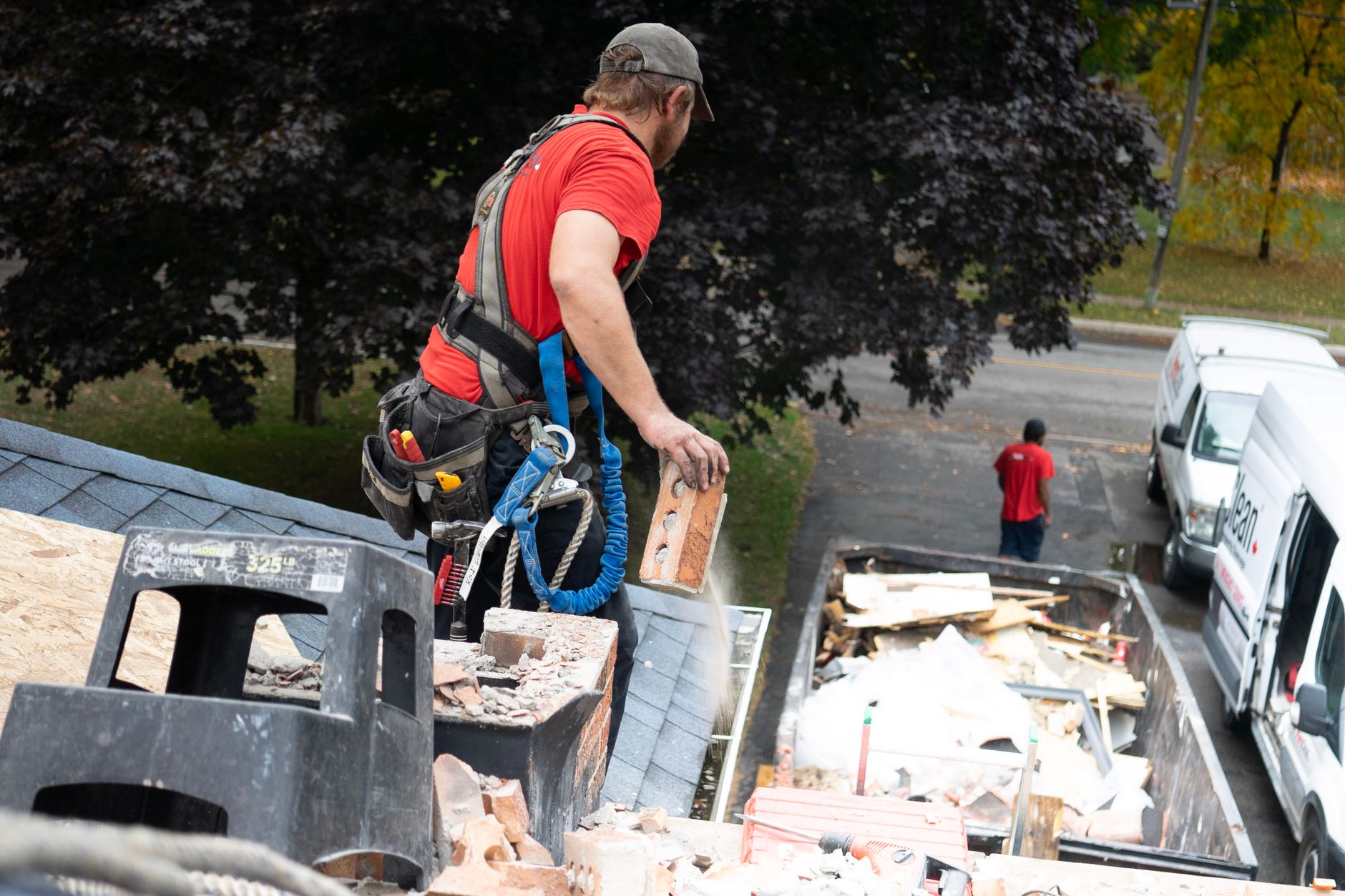
On the other end of the city, Rafael was on his third cup of coffee, pacing the garage in Echo Park where he and his crew were gutting a 1920s bungalow. The air was gritty with dust, the radio played old soul, and through the open garage door the Hollywood hills cut an angular silhouette against a clear blue sky. “If we don’t get a dumpster here by noon, we’re towing the couch back in,” his apprentice joked. The joke landed with a nervous laugh. Tight schedules, tight budgets, and permit windows made dumpster timing as crucial as the plumber’s schedule.
These two vignettes are small episodes of a much larger choreography: dumpsters appearing and disappearing across the neighborhoods of Greater Los Angeles—from Beverly Hills to Burbank, Long Beach to Pasadena, and Torrance to Malibu—as projects begin and cities shift. They are the unsung props in home remodels, business conversions, estate clear-outs, and community clean-ups.
Rising Action: The Tension Behind the Roll-Off
There is more suspense to dumpster placement than most people expect. Permit problems in West Hollywood. Weight overages around the industrial areas of Carson. Tight alleyways in Culver City where even a compact roll-off is a logistical puzzle. One summer afternoon, a contractor called me from a narrow street in Silver Lake, his voice tight: “They said the truck won’t fit unless we pull every car on the block.” He could hear the neighbors’ concern; he could see the deadline. “If the city issues a ticket, we lose twenty percent of the job budget before we even start,” he said.
Stories like this are common. In Los Angeles, the curb is shared territory. You’re not only maneuvering metal and trash; you’re navigating municipal codes, permit applications, neighbors, and the ever-present risk of rain turning debris into a muddy mess. And then there’s the emotional freight: the boxes from an estate sale in Pasadena, the decades of accumulated memories that now live in a dumpster bin, the smell of old books and lacquered furniture carried past a porch where a woman had once rocked her baby. Waste is often the last, messy trace of someone’s life, and removing it becomes a tender, complicated act.
Key Insights Woven into the Story
Maya’s dumpster driver, Luis, told her about sizes and practicalities as he clipped the chain into place. “We do ten- to forty-yard bins. For a kitchen, folks usually want a 15 or 20. For roofs, they call for 30s. And concrete? That’s heavy, we’ll need a special permit sometimes.” His voice was steady, practiced, a roadmap of experience. He pointed toward the beach and then to a laminated permit card in his truck: “If you want it on the curb in Santa Monica, you’ll need a permit from the city if it’s on public property for more than a day. Same thing in Long Beach. In Beverly Hills? They can be strict about parking too.”
Here are the essentials he was sharing, the practical tips that keep a job humming rather than hitting a bureaucratic snag:
- Dumpster sizes and uses: 10-15 yard for cleanouts and small renovations; 20-30 yard for whole-house remodels; 30-40 yard for larger construction and demolition debris.
- Permits: In many cities across Greater Los Angeles, placing a dumpster on public property (the curb) requires a permit. Private driveways usually don’t, but accessibility and space can be issues.
- Weight limits: Dirt, concrete, and tile are heavy. A 20-yard bin filled with soil can exceed weight limits quickly, incurring extra fees. Separating heavy materials or renting specialized debris boxes can save money.
- Prohibited items: Hazardous materials (paint, solvents, asbestos, certain electronics) often cannot go into regular dumpsters. Proper disposal through Household Hazardous Waste events or licensed contractors is necessary.
- Recycling and donation: Many materials can be diverted. Metal, wood, fixtures, and gently used appliances often find second lives through Habitat for Humanity ReStore, Goodwill, or local thrift shops in neighborhoods like Pasadena and Long Beach.
- Timing and scheduling: Same-day or next-day delivery is common in metro areas but costs more. Weeklong rentals are standard; extensions are usually charged per day.
Rafael learned an extra lesson the hard way when a load of old laminate and bathroom tile pushed his dumpster beyond the weight allowance. “We thought the truck would take it like the others,” he confessed. “But the scale at the transfer station lighted buzzed and the driver looked at me. They charged us for every extra hundred pounds.” He paused. “Now we call ahead and split materials. Guess that’s the new rule of thumb.”
Scenes of Choices: Reuse, Recycle, Release
One afternoon in Long Beach, a community clean-up organized by a neighborhood association gathered a motley crew of volunteers, their vans brimming with junk. A woman named Lorraine stood with a lamp that had once graced a family dining table. “It’s been in my life through three apartments,” she said. “But I can’t keep everything.” Volunteers set aside items for donation, others for recycling; the city’s bulky-item pickup schedule would handle mattresses and old sofas, while electronic waste went to an e-waste drop-off near downtown LA. There was a certain grace in the sorting—a mindful redistribution instead of a single anonymous van to the landfill.
Across the region, programs and services differ but the principle is the same: divert what you can, and handle the rest responsibly. In Malibu, where environmental watchdogs watch the coastline like hawks, contractors are especially diligent about preventing debris from washing into streams and ocean. In industrial pockets like Carson, heavy materials find more direct routes to recycling centers that accept concrete and metal.
Resolution: The Day the Dumpster Left with a Sunset
Back in Santa Monica, as the sun slid lower and the pier’s neon began to hum, the dumpster was nearly full. Maya stood with her neighbor, a retired carpenter named Sam, watching the last of the debris go in. “You know,” Sam said, voice soft, “my father taught me to see the cycle. Wood has a life, and sometimes we just get to move it along.” He pointed at a pile of reclaimed wood set aside for salvage. “That’s going to a builder in Culver City.”
When the truck returned to haul the bin away, it felt ceremonial. The driver winked at Maya. “Another act complete,” he said. The truck backed up, the chain clinked, and the dumpster rose, leaving a cleared, clean curb and an echo of action. For Maya, Rafael, Lorraine, and the countless Angelenos who manage the city’s constant rearrangement of things, the dumpster’s departure was relief in motion: dust settled, the smell of sawdust and sea air mingled, and the city kept spinning.
What to Remember and Do
These stories aren’t just urban anecdotes; they are how Greater Los Angeles handles change. If you’re about to book a dumpster, remember what the drivers and volunteers taught us across the neighborhoods:
- Choose the right size: Think about the type of debris, not just volume. Heavy materials need different planning than bulky but light items.
- Check permits early: Call your city’s public works or waste management office if you plan to place a dumpster on the street. Cities like Los Angeles, Santa Monica, Long Beach, and Pasadena have distinct processes.
- Separate hazardous items: Don’t assume everything can go into the bin. Paint, batteries, tires, and electronics often require special handling.
- Ask about weight limits and fees: Be transparent with the hauler about what you’re discarding to avoid surprise charges.
- Donate what you can: Appliances, fixtures, and reusable materials can often be diverted to local charities or resale stores.
- Schedule thoughtfully: Avoid storing a dumpster in place longer than necessary. Secure it properly if rain or wind is forecast.
These practical steps reduce stress, save money, and make the work feel less like disposal and more like transformation.
That evening, as the light softened into a long Los Angeles twilight, a gentle hush settled on the street where Maya’s renovation had stripped away old layers. The garage smelled of fresh wood and primer. The neighbor waved from a second-story balcony. Far off, the outline of the Santa Monica Pier twinkled. Rafael sent a photo from Echo Park: the bungalow’s new studs catching the golden light. Somewhere between a permit office in downtown LA and a recycling center in Carson, work had been done: things sorted, burdens eased, and the city’s daily reinvention allowed to continue, one responsibly managed dumpster at a time.
When the dumpster left, it wasn’t an end so much as a clearing—a new space for possibility, a temporary absence that made room for something built with intention. The last image was simple: the empty curb, a palm tree casting a long shadow, and the city horizon bright with promise. In a place that reinvents itself constantly, that quiet clearing felt like a small, meaningful victory.