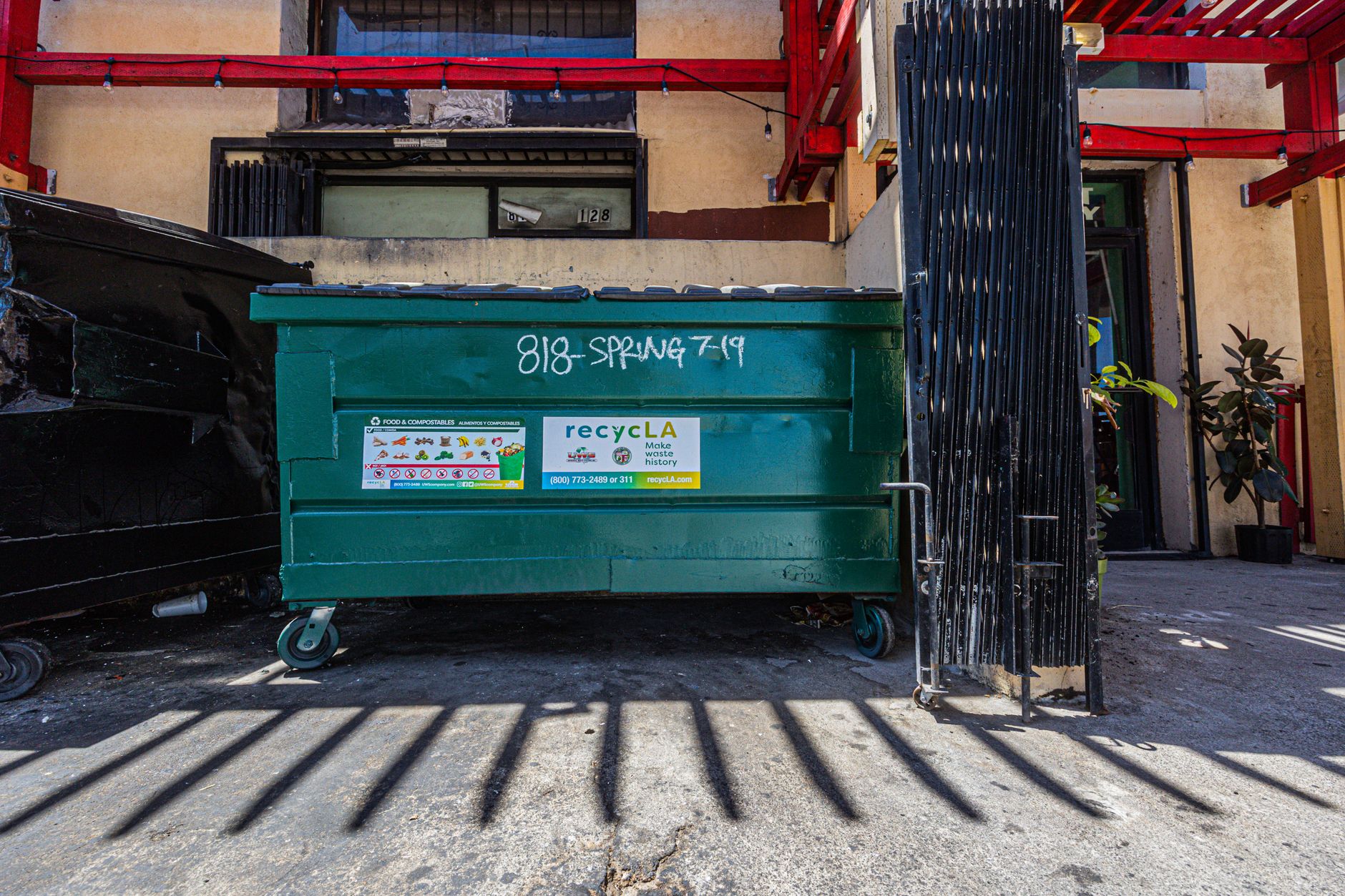
When Maya turned the corner off Melrose and saw the yellow roll-off sitting on her neighbor’s driveway, she felt a small, irrational thrill—the same shock you get when you see the first fireworks of summer. The dumpster was larger than she expected, its steel skin flecked with old stickers and a smudge of graffiti, and the air smelled faintly of citrus cleaner and diesel. From where she stood, she could see the Hollywood Hills rise like a folded map against the late afternoon sky, and beyond them, the city hummed: a long, layered pulse of deliveries, dogs, and distant freeway sighs.
Setup: An Ordinary Project in an Extraordinary City
Maya had called herself a project manager long enough to know that a single dumpster could mean anything from an efficient declutter to a full-blown neighborhood drama. Her client, an elderly couple in Pasadena redoing their backyard for their first grandchild, needed a roll-off for the week. The couple, Mrs. Alvarez and Mr. Chen, had lived in their Craftsman bungalow for forty years; the yard was a palimpsest of memories—handmade birdhouses, a patch of lavender that had survived droughts, and a shed that smelled of cedar and old paint.
‘We just want to make room,’ Mrs. Alvarez told Maya, her voice soft but determined. ‘No more tripping over boxes, no more nails.’ She laughed, the sound like coin on ceramic.
Maya scheduled a 20-yard dumpster for Tuesday, thinking it would be the safe middle ground for a combination of shed demolition, ivy removal, and a few decades’ worth of boxes. She imagined the truck backing up, the hydraulic arms lowering the dumpster with an authoritative thud, and a neat, short dance of loading, hauling, and goodbye. In Los Angeles, everything looks efficient from the highway, but up close—between narrow alleys of Silver Lake, in the congested curb cuts of Santa Monica, or under the shade of a Burbank sycamore—logistics have character, and character complicates plans.
The Day the Dumpster Arrived: Rising Tension
On a bright Tuesday, the truck pulled onto Pasadena’s narrow street with the precision of a hawk landing. Eddie, the driver, climbed down in a layer of grime and optimism, wiping his palms on his jeans. He was a small, quick man from Carson with a laugh like gravel. Beside him stood Luis, the contractor, who’d been known to solve knotty build problems with duct tape and patience.
‘We have permit for the curb?’ Eddie asked, scanning the driveway.
‘I filed it last week with the city, but the HOA called once this morning. They like to know where things are,’ Maya answered, thinking of the neat rows of hedges and the watchful eyes of the block. Even within one city, rules tugged at plan like little boat moorings: Los Angeles County, Santa Monica, Long Beach, and Glendale all had variations on where dumpsters could sit, how long they could stay, and whether you needed a traffic control plan for the street.
The first crates of boxes came off like confessions—old tax returns with yellowed edges, a stack of VHS tapes, a cardboard box of ceramic Christmas figurines. The sound was domestic and intimate: cardboard scraping, lazy metal against metal, a radio fuzz of a talk show somebody had left behind. Then, under an old rug, Luis found the first surprise: a bulging envelope stamped from 1983. He handed it to Mrs. Alvarez, who opened it with fingers that had built a house and cooked for decades.
‘Oh my,’ she whispered. ‘Letters from my sister.’
For a moment, the demolition felt less like work and more like archaeology. Items evoked stories: a school photo that started a tale of a first kiss at the Rose Bowl, a child’s drawing that made Mr. Chen cry and laugh simultaneously. The dumpster, a blunt instrument of removal, had become an altar of memory, and the crew slowed, reverent.
Key Insights Woven into the Story
As the day unfolded, Maya found herself explaining practicalities between sentimental salvageings. ‘A roll-off comes in sizes from about 10 to 40 cubic yards,’ she said, turning a page of an inventory list. ‘A 10-yard is good for small cleanouts or single-room remodels; 20 is the most versatile for yards and medium renovations; 30 and 40 are for heavy remodels, whole-home cleanouts, and construction debris.’ She could see Eddie nodding—experience had taught him the economics of size: a slightly larger dumpster sometimes saved money by avoiding a second rental.
‘Watch the weight more than the volume,’ Eddie advised, gesturing with a cigarette butt already stubbed out. ‘Concrete, dirt, tile—those things add up fast and can put you past the weight limit. Then you pay per ton.’ The crew moved heavier things early to balance the load.
Maya also reminded everyone about what could not go in: ‘No paint cans, no solvents, batteries, or fluorescent tubes. Hazmat needs special handling.’ Even in the casual prose of a job site, the rules of safe disposal mattered. California’s recycling mandates and the patchwork of municipal ordinances meant separating materials could save money and the planet: lumber, metal, and usable furniture might go to a recycler or a donation center in Long Beach or to Habitat for Humanity ReStore.
‘If you live near the beach, you can smell the ocean when the wind turns,’ Mrs. Alvarez said, watching the crew. ‘But you can also smell when something’s been here too long—oil, old paint. It’s ugly.’ Her practical observation masked a deeper worry: the old shed might have asbestos in old shingles or lead paint. The team paused, and an inspection was scheduled before Saturday’s heavy demo.
Tensions Rise: Neighborhood Rules and Unforeseen Finds
By Thursday, the pile in the dumpster made a small, temporary mountain. A neighbor in a white Chelsea van stopped and leaned on the fence. ‘Is that going to be there all week?’ he asked. His tone balanced between curiosity and complaint. In West Hollywood or Beverly Hills, neighbors could mobilize quickly; in suburban pockets of Torrance or Inglewood, small disputes could escalate to HOA memos.
‘We have a permit,’ Maya explained calmly. ‘We paid the street use fee. We’ll move it if it becomes an issue.’ She’d learned to keep copies of permits, contact numbers for the hauler, and a plan for rerouting trucks down alleyways when front-yard access was restricted—as it often was on tree-lined streets in Glendale or near the narrow cul-de-sacs of Burbank.
On Friday, an awkward discovery slowed the crew. Buried under a stack of clay pots was a small wooden box of old photographs and a tin of rusted keys. ‘They’re the house before we were here,’ Mr. Chen said, voice breaking in a way that made the team gather. They set the box aside, treating it as carefully as glass.
Later, Eddie found a heap of old oil-stained rags behind the shed. ‘Dangerous. Can’t throw them like that,’ he said, and the mood turned practical again. They separated the hazardous items and made a call to a specialty waste hauler who would take them to a certified facility. Not everything fit the roll-off’s brute simplicity; the city, the environment, and common sense demanded nuance.
The Pickup: Resolution on a Concrete Morning
A week later, the truck returned at dawn. The sky over Los Angeles was pale, and a cool breeze threaded through eucalyptus on the block. Eddie eased the hydraulic arms into place with the smooth care of someone doing something he’s done a thousand times. The dumpster seemed calmer now—the jagged mound smoothed into a lower, dense shape. Workers handed off the last salvaged items: a rocking chair for donation in Culver City, a bag of children’s books for a library drive in North Hollywood, and the wooden photo box, which Mr. Chen vowed to keep on his mantle.
‘You did well protecting the street,’ Eddie said to Maya, and handed her a receipt stamped with a neat company logo. He had maneuvered the truck between parked cars, taken care not to scrape the curb, and left only faint tire marks that the sun later warmed and faded.
As the dumpster hoisted and tilted, dust drifted like a soft gray veil. There was a last, full-throated scrape as the dumpster lifted and hung over the truck, then the hydraulic clunk, and the container rode up like a heartbeat. The truck pulled away, its taillights blinking, and the sound of it receded into the wider city. The driveway looked smaller somehow, breathing room where the mound had been. The lavender still smelled faintly, reclaiming the air.
Takeaway: What to Remember and Do
The story left Maya with practical lessons braided tightly to memory. Dumpster removal in Greater Los Angeles isn’t just a transaction; it’s choreography. Check your city’s rules first—many neighborhoods require a permit for curbside placement, and HOAs often have additional restrictions. Consider size: choose a dumpster that matches the scope, and account for weight limits on heavy materials like concrete or soil. Never mix hazardous materials into a standard roll-off; organize a separate pick-up for paint, batteries, and solvents. Plan for access: narrow streets in Silver Lake, tight driveways in Santa Monica, and tree-lined Glendale blocks can all affect where a truck can go.
And there is another dimension: the human one. Decluttering is also remembering. Donate what still carries life, recycle what can be turned back into new things, and treat discovered relics with care. If you uncover old photographs or sentimental items, pause. Call the family who lives there, or set them aside. The city is full of stories, and sometimes, clearing space means rediscovering them.
When Maya closed the gate and walked toward the sound of traffic threading its way down the incline toward downtown Los Angeles, she thought of the small wooden box on Mr. Chen’s mantle and the scent of lavender reclaiming the yard. The street felt different: less cramped, quieter in a way that made room for new laughter. In a city where so much is temporary—the pop-up shops, the film shoots, the shifting skyline—sometimes the most lasting change is the patient work of making space for the next chapter. Above them, the sky blushed with sunset, and the bungalow seemed to breathe easier, ready for a child’s swing and new stories to begin.