The first time I watched a dumpster arrive in my neighborhood, it felt like an invading ship dropping anchor in a front yard on Sunset Boulevard — a hulking steel thing cast in the golden light of late afternoon, smelling faintly of sawdust and sea air. I remember thinking, oddly, that a dumpster had more character than most of the cars passing by. That was before I had to clear out my aunt’s bungalow in Venice in two weeks, before I learned how much of Los Angeles’ life — renovations, moving seasons, and aftermaths of storms — funnels through these rolling metal containers.
Setup: A House, a Deadline, and a City that Never Stops Changing
The bungalow sat three blocks from the tide pools, with surfboards propped against a fence and a garden that had gone to seed. My aunt, Rosa, had been a fixture at the Saturday farmers’ market in Santa Monica for decades. When she passed, her house felt like a museum of small decisions: stacks of dog-eared gardening catalogs, a closet full of vintage Hollywood postcards, and a garage that looked as if a contractor and an appliance store had had a private argument and never cleaned up.
“We need it cleared in two weeks,” said Eva, the real estate agent, standing on the cracked flagstones while a breeze tugged at her blazer. “Buyers in Culver City won’t wait on a house that smells like someone else’s memories.”
“Two weeks?” I echoed. The words tasted like the salt from the ocean two blocks away. “What about permits, parking, noise?”
“You want my advice? Get a roll-off dumpster, talk to the city, and hire someone who knows the alleyways of Silver Lake and the permit quirks of Beverly Hills.”
Rising Action: Narrow Streets, Paperwork, and the Heat of Deadlines
That afternoon I called a handful of dumpster companies. The voices on the other end were patients and terse, the kind of people who spend their days solving logistical puzzles. Miguel — who drove the 20-yard container that eventually became the stage of our little cleanup — sounded like he knew the city by heart.
“Echo Park, Venice, and Hollywood? We do them all,” he said. “But watch out for West Hollywood. They’ll make you apply for a curb permit if it sits on the street.”
On the day the dumpster arrived it was 82 degrees and the Santa Ana winds had started to kick up, carrying with them a dry, sun-baked scent that made dust shimmer in the air. Miguel backed the truck into our driveway like a ballet dancer negotiating a tight turnout. The container’s metal smelled faintly of oil, and when he swung the ramp, a bird from a nearby eucalyptus witnessed the commotion and called out before darting away.
“You ever put a dumpster on a driveway without a plywood base?” I asked him.
“Once,” Miguel said, with the hint of a confession. “Came back to a driveway that looked like it had been used for a demolition derby. We put boards down every time now.”
The first load was like packing up someone’s life into an industrial suitcase. We tossed out broken garden chairs from the patio, a stack of magazines yellowed at the edges, and a mountain of drywall and old laminate flooring. Neighbors in Highland Park stopped to watch, offering advice and, once, a thermos of coffee. A woman on a bicycle — she looked like she’d come straight from a Venice art studio — paused.
“You gotta separate that metal,” she said, pointing to a mass of nails and a rusted sink. “Long Beach recyclers pay for clean metal.”
“Good to know,” I called back, already mentally dividing piles in my head.
Key Insights Woven into the Story
As the days passed, the narrative of dumpster removal revealed itself as part logistics and part city etiquette. Here are the practical lessons that braided into the story:
Size matters: Dumpsters come in common roll-off sizes — 10, 15, 20, 30, and 40 cubic yards. Our 20-yard fit the bungalow perfectly: enough room for cabinets, flooring, and garden debris without overwhelming the driveway. Small urban lots, like those in Beverly Hills or Burbank, often need a 10 or 15-yard container because of tight access.
Permits and placement: In many parts of the Greater Los Angeles Area — from the curvilinear streets of Glendale to the grid of downtown LA — curb placement may require a permit from the local city or the Bureau of Street Services. Miguel helped me fill out a short application for a temporary parking permit in Santa Monica for one day so the container could sit curbside while a concrete contractor poured the foundation. If the dumpster blocks traffic, emergency access, or a fire hydrant, expect trouble. For alley placements, clearances of about three feet are a good rule of thumb to allow trucks to maneuver.
What goes in and what doesn’t: Hazardous materials — paints, solvents, asbestos, certain batteries, and medical waste — are not accepted by most dumpster services and require special disposal through local hazardous waste programs like those run by the county. Electronics and refrigerators often need separate handling due to refrigerants. Miguel warned me: “Don’t put dirt or concrete in a small bin unless you’re ready for a surprise on weight fees.” Heavy materials can push you past weight limits and trigger extra charges.
Recycling and donation: Los Angeles is full of options for diverting usable items. Furniture in good condition can be donated to shelters in Torrance or thrift stores in Pasadena. Metal can be taken to scrap yards near the Port of Long Beach. For renovation waste, ask your hauler about transfer stations and recycling programs — many companies will sort wood, metal, and gypsum to reduce landfill load.
Pricing and transparency: Get a written estimate that clarifies what is included: delivery, pickup, days included, weight allowance, and fees for prohibited items or overages. Some services in Culver City or Inglewood offer flat rates, which can be simpler for homeowners; others charge by tonnage. Insurance and licensing are must-ask items — if a truck damages a driveway or a parked car, you want the company to be accountable.
Scenes of Decision: Conversations that Changed the Project
One evening, standing on the porch while the sun dipped behind the Santa Monica Mountains, Eva and I divided things into “sellable” and “leave-behind” piles. The contestants of our sorting game included a mid-century lamp, a stack of theater playbills, and a set of garden shears that had seen better summers.
“Keep the lamp,” Eva said. “It photographs well.”
“Maybe the playbills should go to the buyers? It’s a Venice thing.” I said.
“Or the new owners might want a clean slate.”
Meanwhile Miguel suggested we call a local donation pick-up in West Hollywood for a couch that was but only superficially sagging. The couch’s fabric smelled faintly of coffee and late-night radio shows, but a volunteer with a charity van promised it would find a home in a family center in South LA.
“Every item that finds a second life cuts down on landfill fees,” Miguel told me. “And it makes the load lighter.”
Resolution: The Final Sweep
The last morning arrived with a sky so clear the city looked like it had been scrubbed by some enormous hand. We had filled the dumpster and then some; the company came back with a second smaller bin to catch the last of the nails and a carpet runner. By midday the containers were hauled away, the clang of metal against metal softening like an echoed drumbeat as the truck pulled off toward the Port and the recycling yards beyond.
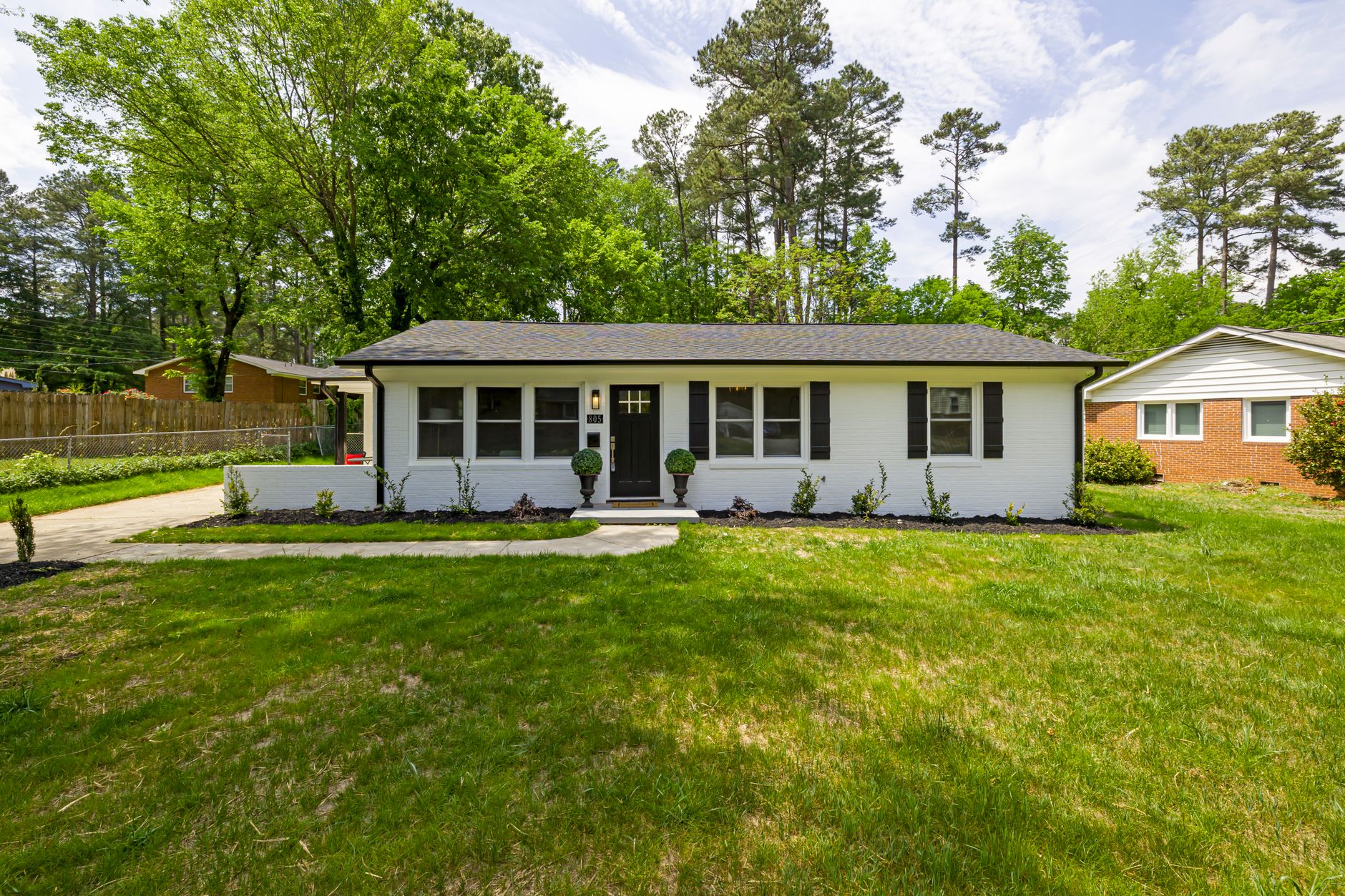
Standing in the empty driveway, I rubbed my hands together, feeling the grit of sawdust and the coolness of shadow as a plane traced a white line overhead. The bungalow smelled different: not like decades of accumulation but like fresh paint and the expectations of a new chapter.
“You did good,” Eva said, as if the sale’s success were already a certainty.
“We did it together,” I replied, thinking of Miguel’s skillful backing, of neighbors hauling out boxes, of the woman on a bicycle who taught me to separate metal. The house felt lighter, as if it had been exhaled.
Takeaway: What to Remember Before You Call a Dumpster
Los Angeles is a patchwork of neighborhoods and rules, from the beachfront quirks of Venice and Santa Monica to the stricter curb rules of West Hollywood and Beverly Hills, to industrial realities near Long Beach. If you’re facing a cleanup or renovation, keep these takeaways with you:
- Choose the right size: 10–40 yards. Match container size to project scope and access constraints.
- Check local permit requirements: curb placement often needs approval; driveways may require protection like plywood.
- Avoid prohibited items and plan separate disposal for hazardous waste and electronics.
- Ask about weight limits and extra fees for heavy materials like concrete or dirt.
- Consider recycling and donation to reduce landfill costs and help the community.
- Confirm insurance, licensing, and a clear written quote before signing.
Walking back down the block, I passed the place where the dumpster had been. The street was dotted with palm shadows and a neighbor’s child chalking hopscotch squares on the sidewalk. The house sat composed and ready, its porch swept, its windows catching the angle of the late sun. Behind me, the city exhaled — the hum of a Metro train, the bark of a dog in a yard in Echo Park, the distant clatter from a kitchen in Burbank late with dinner plans. Miguel’s truck had folded into the rhythm of Los Angeles traffic, heading to the next driveway — maybe a remodel in Pasadena, perhaps a film set strike in Hollywood. I pictured the dumpster’s empty belly being refilled with someone else’s old life and someone else’s fresh start.
And then a gull wheeled above, white against the blue, and for a moment the whole city felt held in a single clean breath.