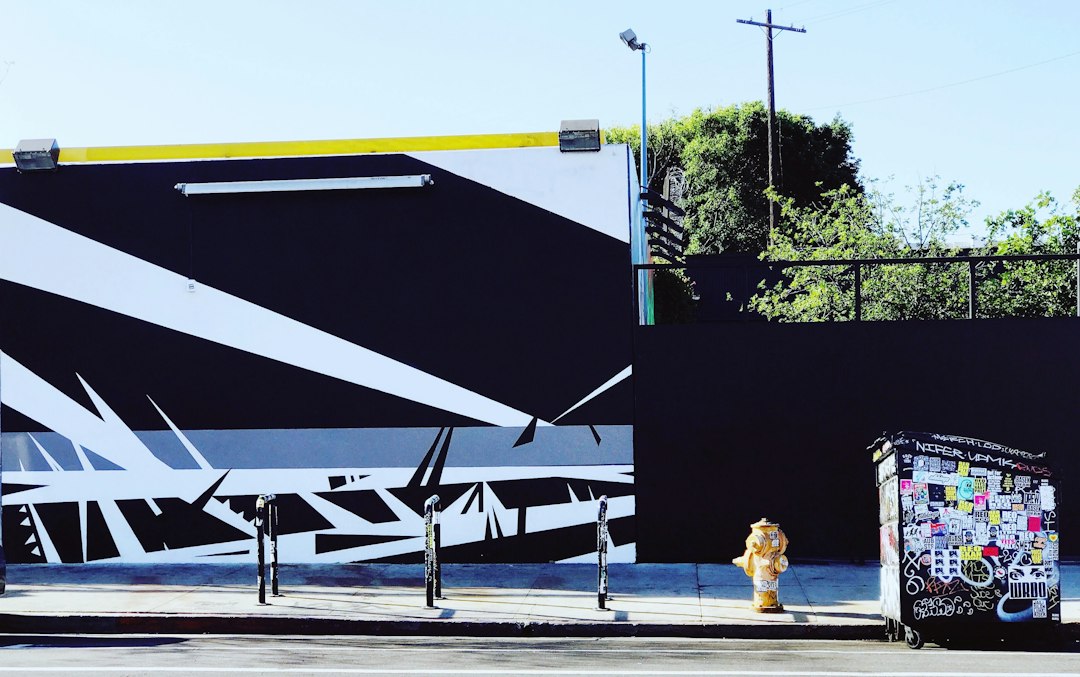
The first thing I noticed was the sound: a low metallic thump that had nothing to do with construction and everything to do with memory. It echoed off the bungalow’s stucco walls, mixed with the smell of coffee and the faint, salty air sneaking in from Santa Monica. By noon, the driveway looked less like a place to park and more like a temporary shore—cardboard boxes stacked like driftwood, an old armoire tipped on its side, and, dominating the scene, a blue roll-off dumpster stamped with the company logo and a permit taped to its rim.
A Morning Like No Other
We had come to Echo Park for what my sister called ‘the estate cleanup,’ a task that sounds smaller on the phone than it feels when you stand in a house where every room holds a story. The sale of the house was in three weeks; the attic still housed trunks of clothes and the basement, jars of nails and yellowed letters. The plan was simple: clear, clean, and prepare. It was also painfully obvious that renting a dumpster would be the backbone of that plan. We weren’t just getting rid of junk; we were carving a path toward a new life—literally making room for it.
The Players and the Plan
Mateo, the driver, arrived in a dusty truck that smelled faintly of motor oil and citrus. He moved with the surety of someone who’s navigated Los Angeles’ narrow streets since before many of the trees were saplings. ‘You got the permit?’ he asked, already stepping onto the lawn to assess where the bin should sit. My sister waved a laminated copy: the Department of Transportation permit for on-street placement, valid for three days. We later learned that in West Hollywood, Beverly Hills, and parts of Pasadena you might need additional HOA approval or a different format for the permit; in Long Beach there are different rules for street placement versus private property. For now, the curb outside our Echo Park bungalow was legal, and the plan went ahead.
We chose a 20-yard dumpster—big enough to eat the old armchairs and kitchen cabinets but small enough to fit between the mailbox and the hydrangea. Mateo explained the sizes as he sprayed down the driveway to protect the concrete with plywood: ‘Ten’s for small remodels, twenty’s for clean-outs like this, thirty and forty are for big gut jobs or commercial sites. But don’t just pick by size, pick by weight—things like concrete and dirt hit your allowance fast.’
Challenges on the Street
By midday the neighborhood had decided to watch. A man walking his dog paused, a woman pushing a stroller slowed, and the neighbor from two doors down—an elderly woman with a cobalt scarf—offered a basket of muffins. The ritual of the neighborhood assemblage is part of Greater Los Angeles: people come, stories spill, and practical rules are debated as if by tradition. ‘You need to keep that away from the sewer grates,’ she warned. ‘You don’t want a fine from the city.’
The tension built in small, practical ways. We learned that in Los Angeles proper, a DOT permit is necessary to place a container in the public right-of-way; in some places like Santa Monica or Culver City, timelines and fees vary. One day’s delay could push our contractor back and cost us money. A neighbor’s wedding scheduled in a nearby yard complicated parking for the delivery truck. And then there was the armoire—so heavy that two of us strained until we realized it had to be dismantled before it could enter the dumpster. The more we tried to cram emotion and wood and plaster into the container, the more we saw a pattern: removal is logistical, but it’s also emotional labor.
What I Learned About Dumpster Removal in Greater Los Angeles
Between hauling, arguing over what to keep, and making calls to recycling centers, the education arrived practically. Here are the lessons that stuck:
- Permit basics: If you plan to put a dumpster on the street in Los Angeles, call the Department of Transportation or check the city’s online portal. Many cities—Los Angeles, Santa Monica, Long Beach, Pasadena—require permits for public right-of-way placement. The window for approval can be quick, but it can also require documentation from your rental company showing dates and insurance.
- Size and weight: Dumpsters are measured in cubic yards—10, 20, 30, 40. But rental cost is often driven by weight. A truck can carry a 20-yard dumpster full of light household items for a moderate fee, while heavy materials like concrete, soil, or bricks can make a 10-yard container pricier than a larger one filled with wood and boxes.
- Recycling and diversion: California’s focus on reducing landfill waste means many municipalities encourage or require diversion of construction and demolition material. Matt, a local contractor, advised us to separate metal, clean wood, and drywall where possible—we found an auto shop willing to take old metal, and a salvage store picked up an intact door.
- Hazardous materials: Tires, electronics, paint, and certain chemicals cannot go in a standard dumpster. Disposal options are different—household hazardous waste days, specialized recyclers, or municipal drop-off centers.
- Placement considerations: If your driveway is steep—as many in the Hollywood Hills are—you might need the dumpster at the curb. That requires a permit and possibly street protection to prevent damage. On narrow streets in Burbank or Glendale, the size of your dumpster must consider emergency vehicle access.
There was a practical moment that stuck with me: a call to a Santa Monica thrift store, where an elderly volunteer laughed and said, ‘Bring us the lamp before you toss it. Sometimes things have more life in a different house.’ We drove it down the coast, traded a little grief for a tax receipt, and watched someone else place a lamp in their window. That felt like a small salvation.
The Drop-Off and the Last Load
The sun slid toward the horizon, turning concrete and stucco a honeyed gold. Loading slowed as we honed decisions: what to donate, what to sell, what to methodically tear apart and toss. Mateo taught us stacking strategies—he called it ‘nesting’—so that flat items like doors and frames would slide into corners and leave air space for awkward furniture. At one point he paused, handed me a photograph found crammed behind a dresser, and said, ‘This is the part people forget—the things that take you back.’ We stood in the half-light, and the city around us felt like a whisper of neon and restlessness.
When the dumpster was three-quarters full, Mateo called the company to schedule the pickup. We learned that same-day pickup is sometimes possible in Los Angeles but often more expensive. Weekends carry surcharges in certain areas, and holiday scheduling can create bottlenecks. For our job, a 48-hour turnaround was enough: we needed the space cleared before the estate agent came through to stage the home.
The driver who returned the next day was different—an older woman with a steady smile. She checked the permit, lifted the tarp, and nodded. ‘Everything’s legal and sorted,’ she said as if telling us the house itself had passed a small moral test. The dumpster rumbled off as the neighborhood exhaled; the street felt empty in a good way, as if a weight had been removed from the block.
Remember This Before You Call
If you’re reading this because you’re about to start a cleanup in Los Angeles County, here are concrete steps to make the process smoother and kinder to the city and your wallet:
- Inventory first: Walk room to room and decide what’s salvageable. Call donation centers in Los Angeles, Long Beach, and Pasadena before you schedule the dumpster—they might pick up.
- Know your materials: Separate metals, electronics, and hazardous items. Check your city’s sanitation website—many provide lists and locations for hazardous waste drop-offs and recycling centers.
- Get the right size: Think about both volume and weight. If you have heavy materials, tell the rental company so they can price accordingly.
- Permit and placement: If you intend to place the dumpster on public property, apply for a permit. In the City of Los Angeles and many surrounding municipalities, permits are needed for curb placement and sometimes for extended stays.
- Protect your property: Use plywood under the dumpster, and ask the company to secure the unit with straps if your driveway is sloped.
- Ask about diversion: Many haulers offer options to sort materials for recycling. It can save you money and reduce landfill waste.
In the weeks that followed, the house sold. The agent thanked us for the timely cleanup and the photographs the staging company took of the empty rooms; in those images, the bones of the house looked noble and clear. For my sister and me, the empty driveway became a symbol: not just of lost things, but of the careful, expensive, and strangely tender choreography required to move forward.
As the final image of that process, I keep the picture of Mateo closing his truck’s hatch under a sky washed with the orange of a Los Angeles sunset. Palm silhouettes lined the street like punctuation marks. The dumpster, once full of the detritus of a family’s life, had carried its cargo away, and in return we had given some things a second life and learned how to be better stewards of what we discard.
If you ever find yourself standing in a pile of memories, boots dusty, hands sore, look up as the sun dips behind the hills. The city will keep humming. The important thing is to do the work well: get the permits, sort the materials, and, if possible, let something useful leave your hands and find a new home. That way, the next person who walks past your cleared driveway might hear not just the echo of a thump, but the quiet sense that something valuable was done right.