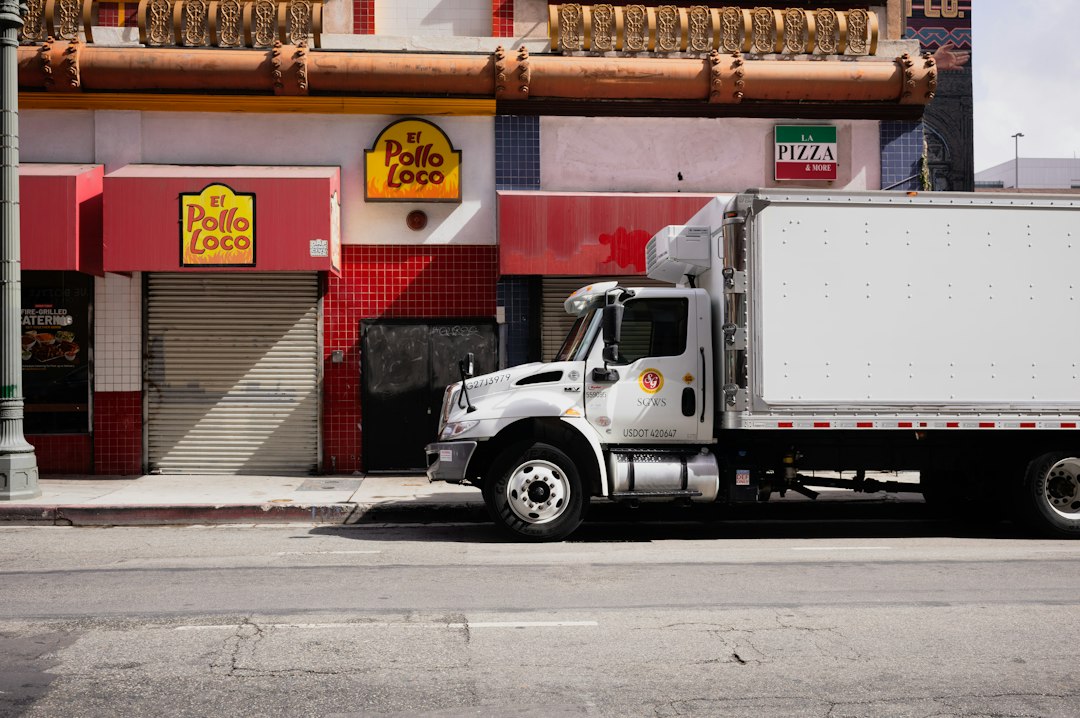
The first thing I noticed was the sound: a dull, metallic thunk as the roll-off dumpster’s tailgate hit the asphalt, followed by a shifting of gravel and a gust of hot air that smelled faintly of sawdust and old paint. I stood on the cracked sidewalk in Echo Park, watching two men in neon vests and a driver in a grease-streaked cap orchestrate the arrival like a small, precise heist. “Careful with the hedges,” my neighbor called from behind her gate. “And mind the permit—LA streets don’t forgive shortcuts.”
A morning that needed a container
Two weeks earlier, the house in question had felt like a museum of postponed decisions. Upstairs, a bedroom stacked with decades of forgotten vinyls and boxes. In the garage, a leaning tower of kitchen gadgets, cracked pots, and a slow leak of resentment. The homeowner, Maria, had just closed a chapter in her life in Glendale and wanted a fresh start: less clutter, more sun, and a small garden where the rusting exercise bike now languished.
She called me because I am the kind of friend who shows up with a strong coffee and a practical question. “How do you even begin?” she asked. “Do I need a permit if the dumpster sits on the curb in front of my house? How big will it be? Will it smell?” Her voice wavered between urgency and embarrassment—this was not a glamorous moment. But it was real.
Rolling through neighborhoods, one container at a time
Los Angeles is a city of neighborhoods that run into one another like a patchwork quilt: Santa Monica’s breeze meets Venice’s murals, Torrance hums with quiet suburbia, and downtown LA pulses with construction cranes and ambition. Dumpster removal in Greater Los Angeles is more than picking a container and calling it a day. Each city and neighborhood has its own rhythm and rules.
We learned this the hard way, mostly through conversations with local crews. In Burbank, a contractor warned, “If you’re blocking a driveway, get the permit. The city will tow before you can say ‘Hollywood.'” In Malibu, a man unloading reclaimed lumber told us that composting and recycling rules mattered more than people expected. In Long Beach, the crew pointed out that weight mattered—landfills charge by ton, and concrete or soil could double your bill.
Loading the story: decisions that add up
I remember standing in the yard as Maria held an old lamp with a cracked shade. The sun glazed over the Hollywood hills in the distance. “Does this go?” she asked. Her eyes were tired, soft with memory. “It was my mom’s.” We put it aside. The team agreed: sentimental pieces deserved a slower decision. The rest—the broken shelves, the paint cans, the pile of shiplap—needed to go now.
Dumpster sizes are an easy way to get overwhelmed. In conversation with the driver, who introduced himself as Ramon, we mapped the practical choices: 10-, 15-, 20-, and 30-yard roll-offs. “Ten yards is good for a garage cleanout in Silver Lake,” Ramon said, hefting an empty box. “Twenty’s the usual for kitchen remodels in Pasadena. Thirty’s for a major demo in Downtown or a full house gut in Inglewood.” His hands moved as he spoke, sketching imaginary boxes in the air.
Small talks and big rules
Permits and placement became the small talk that shaped our days. In West Hollywood, certain streets require permits if the dumpster will sit on public property. In Beverly Hills, the rules could be stricter—homeowners associations sometimes add another layer. Ramon made a call to the company dispatcher and confirmed that the placement outside Maria’s Glendale home would be fine on a weekday morning but that we needed to avoid late-night drop-offs that could trigger complaints.
“Look, the easiest way to avoid headaches is to plan,” Ramon said, leaning against the truck. “Tell us what you’re throwing. If it’s hazardous—paint, solvents, batteries—we don’t take it. You gotta drop that off at a hazardous waste facility or schedule special pickup. And if you think you’ll go over the weight, don’t be shy. We can upsize the dumpster now and save you a surprise bill later.”
Tension rises: the unexpected load
Halfway through the second day, a surge of rain squinted through Pasadena’s palm fronds, turning dust to mud. We moved heavier items into the dumpster first: concrete blocks, a discarded top of a stone fountain that turned out to be heavier than it looked. A neighbor passing by—an older man with a Santa Monica Dodgers cap—pointed out the weight limit written on the side of the container. “I’ve seen people fill it like it’s a magic closet,” he said. “Then they cry when the scale sings.”
We had to be strategic. The crew packed carefully: broken wood first, then metal, then lighter items on top. Ramon stepped on the edge, testing for balance, his boots digging into the sun-warmed steel. The sound of shovels, the clatter of old tiles, the occasional curse as a stubborn screw refused to give—these were the beats of dismantling a household’s history.
Learning the lay of the land
Along the way, we learned useful specifics woven into the story. Always check local regulations: Los Angeles County and the City of Los Angeles had different guidance than smaller municipalities like Torrance or Inglewood. For residential projects, a driveway placement often avoids the need for a street permit; however, some neighborhoods have tight parking and aesthetic rules. If your dumpster needs to sit on the street, you might need a permit, reflective markings, or even cones and signage at night.
Pricing varies by size, weight, distance to the transfer station, and disposal type. Construction debris and mixed loads usually cost more than clean loads. Recyclable materials—drywall, metal, clean wood—may reduce fees if separated. Hazardous materials are prohibited in standard dumpsters; they require specialized handling or disposal at designated facilities in the region. And always ask about insurance and liability: who pays if the container damages the driveway, or if a passerby trips over a stray board?
Human moments in a gritty job
On the third day, a college kid from USC stopped to chat. He’d been watching the operation from his porch in Echo Park and confessed he was thinking of starting a small renovation business. “You folks make it look simple,” he said, tracing the edge of the rusted ramp. Ramon laughed. “It’s simple if you’ve done it a thousand times. The messy part is knowing what to keep. People miss what they toss, not what they keep.”
At noon, the smell of fish tacos wafted from a nearby truck. We ate standing up, elbows sticky, and the conversation drifted to the city’s rhythm. “People here throw away things that would be treasures in another town,” joked Maria, turning a keychain over in her palm. I realized the dumpster had become a kind of confessional: everything we discarded revealed a part of our lives we were ready to close.
Greener choices and smart disposal
Between the storytelling, practical tips emerged. If you want a greener cleanup, separate recyclables and donate usable items to shelters or thrift stores in Long Beach or South LA. Many dumpster services partner with donation centers and recycling facilities—ask before you sign. For construction sites, request a load breakdown: wood, metal, concrete, and mixed debris should be quantified to reduce landfill impact and possibly lower costs.
Also consider smaller, more frequent drops versus a single large dumpster. For a home remodel in Burbank, a contractor recommended multiple compact containers staged by material. “It saves time sorting later and keeps the site safer,” he said. In hillside neighborhoods near Malibu, smaller units avoid blocking narrow streets and reduce erosion risk on steep driveways during rain.
The turning point: a full dumpster and a lighter house
By the fourth day, the dumpster was a sculpted mound of the past: a chair missing a leg, garden hoses in frantic loops, cardboard flattened and grimy. Maria stood at the front gate with the neighbors who had grown curious over the week. Someone offered lemonade; someone else lent a folding table for sorting. There was laughter when we discovered a cache of postcards from a 1990 trip to San Diego. “Keep those,” Ramon declared. “They’re worth more than a landfill ticket.”
When the crew hooked the dumpster to the truck and the winch whined, Maria inhaled sharply. “It feels strange,” she said. “Like watching a movie where your childhood is in the credits.” The dumpster, now half-crushed by the weight and full of stories, rolled away toward the transfer station near Downtown Los Angeles, leaving behind a yard that looked possible again.
Practical wrap-up woven into relief
We double-checked the driveway for marks and swept the remaining dust into neat piles for recycling. Ramon left a card with scheduling options: same-day removal, flexible drop-off/pickup, and a list of prohibited items including chemicals, tires, and electronics. He also scribbled a note about checking municipal websites for permit info and suggested contacting local recycling centers in Pasadena and Santa Monica for donation details.
As the truck disappeared down the block, the house felt different—not emptier, but more honest. The sun tilted low, scattering long shadows across the lawn, and there was an unobstructed space where a small lemon tree could go. Maria smiled, cheeks flushed from work and relief. “Thank you,” she said, and I noticed how that simple phrase carried the weight of several tidy boxes of closure.
What to remember and what to do next
If you find yourself facing a similar day in Greater Los Angeles, remember these essentials: choose a dumpster size that matches the job, ask about weight limits and prohibited items, check city or HOA permit requirements, separate recyclables and donations when possible, and communicate openly with your provider about placement and scheduling. Work with crews who know the local terrain—from the hills of Silver Lake to the beaches of Santa Monica—and who can advise on efficient, legal disposal.
And beyond the practicalities, allow space for the quieter moments: keep the postcards, save a favorite lamp, and let the act of clearing be part of your letting go. The dumpster is not just an object for removal; it is a vessel for transformation. It carries away the clutter, but what stays is the possibility of a new morning, a garden planted where a bike once rusted, a kitchen where light finds its way through clean windows.
We closed the day with a final image: the house at dusk, a single porch light humming, the air cooling, and the street finally quiet. The place that had felt heavy now seemed ready to breathe.