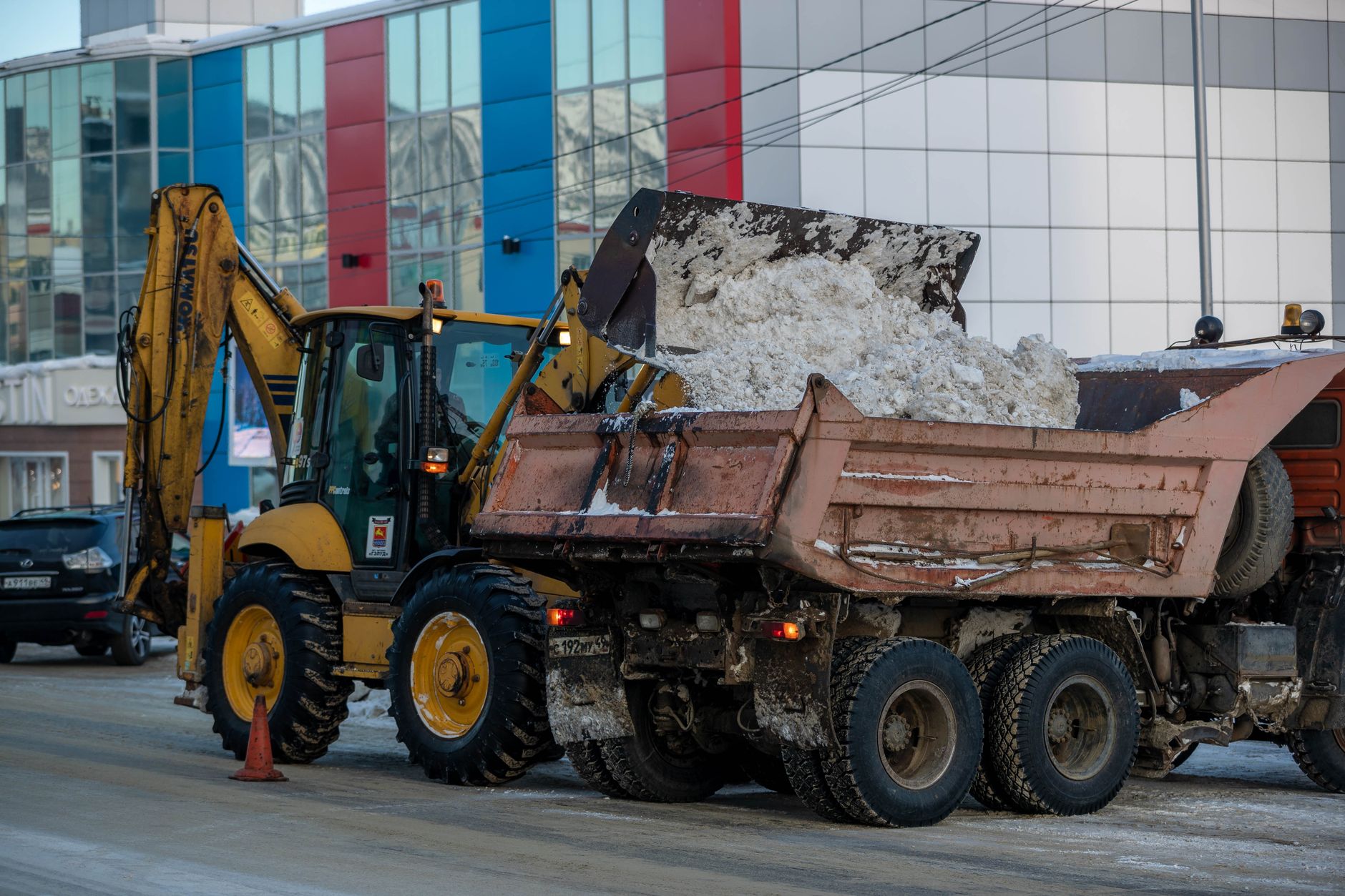
It started with the low, familiar rumble of a diesel engine at dawn, a sound that rolled through the eucalyptus trees on my street in Echo Park like a herald. I stepped onto the stoop, coffee in hand, and watched a bright yellow roll-off dumpster slide off the back of a truck as if it were an island being birthed onto our asphalt. The driver tilted the bed, the metal clanged, and for a moment the city in my neighborhood seemed to hold its breath.
Setup: Characters and the City
By eight o’clock, the curb outside my bungalow had become a mini stage. Luis, the driver, wiped his hands on a rag and leaned against the cab. His vest was streaked with dust. “You gonna need that for a long time?” he asked, nodding toward my neighbor Anita’s house where renovation dust was already climbing off sawn wood like light fog. Anita, a slender woman in a paint-splattered shirt, laughed and said, “We might. We found some old lathe behind the plaster. You should have seen my mother when we started pulling things out.”
Across town, in Silver Lake, a contractor named Sam was wrestling over permits with the city. In Santa Monica, a film crew had booked a dumpster for a single-day tear-down after a pop-up art installation. In Torrance, a family preparing for a move needed a quick haul of decades of accumulated things. Greater Los Angeles, with its tangled neighborhoods from Burbank to Long Beach, from Hollywood Hills to San Pedro, is a place where waste and reinvention collide constantly. Dumpsters become characters in that transformation—arrival, presence, departure—and with them come practical questions, local regulations, and often, small dramas.
Rising Action: The Tension of Logistics
The tension is in the details. In Pasadena, historical-home owners worry that a heavy roll-off will crack their century-old concrete. In West Hollywood, narrow streets mean a team must choreograph a ballet of cones, spotters, and angled lifts. “We had to call a traffic control company for a week-long project on Melrose,” Sam told me. “They closed a lane every morning at 7. If you don’t plan for that, you lose days and money.”
On my street, the dumpster presented its own small challenges. The driver needed to protect a curved driveway. They laid plywood like a temporary bridge and the men moved with the kind of quiet competence that comes from doing the same heavy work many, many times. A neighbor stepped out and said, “Is that safe for the pavers?” The foreman, a compact woman named Rosa, explained the weight distribution and reassured the neighbor that they would lift rather than drag the container to avoid scuffing the driveway.
Every neighborhood in Los Angeles has its own script. Santa Monica requires specific permits for placing work trailers on coastal boulevards, Long Beach has stricter allowances for hazardous materials near port areas, and city-owned streets in Culver City often require paperwork that reads like a short story of municipal caution. Even the time of day changes the atmosphere. A dumpster dropped at sunrise in Glendale feels full of potential; one dropped at midnight in Inglewood carries the hush and urgency of last-minute moves.
Key Insights Woven into the Story
As the work unfolded, practical lessons emerged like breadcrumbs. Luis and Rosa shared them in between hauling, like old sailors trading weather tips. “Size matters more than people think,” Luis said, hefting a piece of sheetrock into the container. “A 10-yard might sound small, but it fits for clean-outs. For a kitchen demo you usually want 20 to 30 yards. You always, always check overhead—wires, tree limbs—before the truck backs in.”
Rosa pointed to the filled corners of the dumpster. “Load evenly. Walk the pile down. If you put everything in one side, the truck tilts, and then you have a problem when you go to roll it up.” Their hands knew the weight of these rules; their advice felt like folklore translated into safety bulletins.
They also spoke about disposal etiquette specific to LA. “Green waste is our lifeline,” Rosa said. “Mulch yards and city compost programs will take a lot, but you have to separate it. In Pasadena they fine you if you mix hazardous items with green loads. And in downtown construction zones, it pays to partner with a hauler that recycles metal and concrete—saves money and the environment.”
There are cost realities too. The price for a roll-off in LA shifts with weight, duration, and the need for permits. A permit in Hollywood for street placement can add a day and a couple of hundred dollars. The bigger surprise for many is the weight limit. Old tile, dirt, and masonry add pounds fast. “A cubic yard of dirt weighs a lot more than a cubic yard of wood,” Luis said, wiping sweat from his brow. “We always tell people to call before they dump heavy materials in a small bin.”
Scene-Setting and Sensory Details
The midday sun softened the edges of the city. Palms cast long, skeletal shadows across the orange cones. The dumpster’s paint glinted like safety bright. When a breeze came, it smelled faintly of salt and diesel, a curious mix that is uniquely Angeleno. From time to time a plane traced a white trail above; in LA there’s always motion above and below.
I watched a young couple from a duplex stack boxes in a practiced rhythm. They talked quietly: “Don’t forget the old lamp, Mom said it was from estate sales.” Their grandmother’s china, wrapped in newspaper, made a soft clink as it landed. Nearby, a construction crew sang along with a radio playing mariachi classics, the melody floating down the block and turning the act of hauling into something almost festive.
Obstacles and Solutions
Not everything went smoothly. The neighbor’s cat, a solemn tabby, decided the dumpster top was now its territory and jumped on with a contemptuous walk. Rosa coaxed it down with a flourish of her hand and a tin can that rattled like a small bell. More significant were zoning questions that popped up when Anita’s renovation uncovered old paint buckets with lead labels. “We had to call a hazardous waste pickup,” she said. “It cost more, but it kept the permit inspector happy and the neighborhood safe.”
Then there was the time a narrow alley in Burbank forced the team to use a smaller dolly bin and multiple trips instead of a single roll-off. Creativity matters. Los Angeles forces you to be creative—tight corners give you lessons in logistics, and the city rewards those who plan for them.
Resolution: Departure and Aftermath
At the end of the week, when the dumpster’s interior had been reduced to a flattened forest of boxes and a skeleton of drywall, the crew came back. The lift was a slow, cinematic motion: the cables hummed, the back of the truck breathed in, and the dumpster rose like an exhausted whale. Luis climbed into the cab and Miriam, the apprentice, waved a grubby hand and grinned. “See you next time,” she called, though that sentiment was both literal and figurative. In LA, next time is always just around the corner.
The driveway looked cleaner than it had in years. Anita hugged a reclaimed banister she had found behind an old plaster wall; it smelled faintly of cedar. Across the street, a kid skated by, eyes wide at the truck’s retreat. The bungs of the neighborhood life reknit themselves. What felt like a disruption at first—the hulking presence of the dumpster—had become a tool for transformation.
Takeaway: What to Remember and Do
The larger lesson is both practical and civic. If you are planning a project anywhere from Hollywood to San Pedro, respect the city and the crew. Choose the right size: 10 to 15 yards for clean-outs, 20 for medium renovations, 30 for whole-house demo. Ask about weight limits and material restrictions. Separate green waste, reclaimable metals, and electronics. Get permits early, especially in West Hollywood, Santa Monica, and Downtown LA where traffic and coastal rules complicate drop-offs. Protect your driveway, watch overhead lines, and always, always plan for how you will load the bin—balanced loads keep the truck level and the crew safe.
Beyond logistics, remember the human element. The teams that show up bring experience and often a sense of humor. “We collect junk and stories,” Luis joked as he locked the truck. These men and women know the neighborhoods, the shortcuts, the permit officers, and the recycling yards. Respecting them means smoother work, lower costs, and a better end result.
When the dumpster had gone, the street looked newer somehow, like a book that had been edited. An old radiator had been replaced by a stack of new tiles. Broken ceramic tiles became a small mountain of rejected possibilities that, once hauled away, made room for the new. In Los Angeles, reinvention is civic; renovation is a shared street-level ritual.
Weeks later I passed Anita, and she stopped me with a smile. “You remember when you stepped out for coffee?” she asked. I did. She touched the new banister and said, “It still smells of cedar. And the house feels lighter.” The dumpster, now only a memory and a half, had done its work and driven off into the city’s vast choreography of change. The neighborhood held its breath no longer; it exhaled, and in that exhale there was the faint, honest scent of sawdust and possibility.
At dusk, the last image that stayed with me was of Rosa stacking her cones into the back of the truck. The sunset lit the city into a smear of gold and lavender; the truck’s metal reflected that light and then turned, disappearing down the block toward another job, another morning, another transformation. In Los Angeles, dumpsters arrive like small urban rituals—loud, practical, and oddly hopeful—and the city keeps moving.
Photorealistic Image Prompt
Photorealistic image of a roll-off dumpster being loaded onto a truck in a residential Los Angeles neighborhood at golden hour. Scene includes tall palm trees, a mix of mid-century bungalows and hillside homes in the background, and a distant hint of the Hollywood Hills silhouette. The dumpster is bright yellow with scuffs and stickers, orange traffic cones around it, and plywood protecting a curved driveway. Three workers in reflective vests and gloves—one Latino man in his 40s, one Latina woman foreman, and a young Black apprentice—are mid-action: one lifting a piece of drywall, another guiding the dumpster with a hand signal, and the third stacking cones. Include sensory details: dust motes in the sunlight, faint smog haze, slight diesel exhaust, and a radio on the truck playing faint music. High-resolution, 50mm lens, shallow depth of field with the dumpster and workers in sharp focus and the background softly blurred. Natural warm lighting, ultra-detailed textures on metal, wood, and clothing, realistic skin tones, dynamic composition, cinematic angles, photorealistic style.