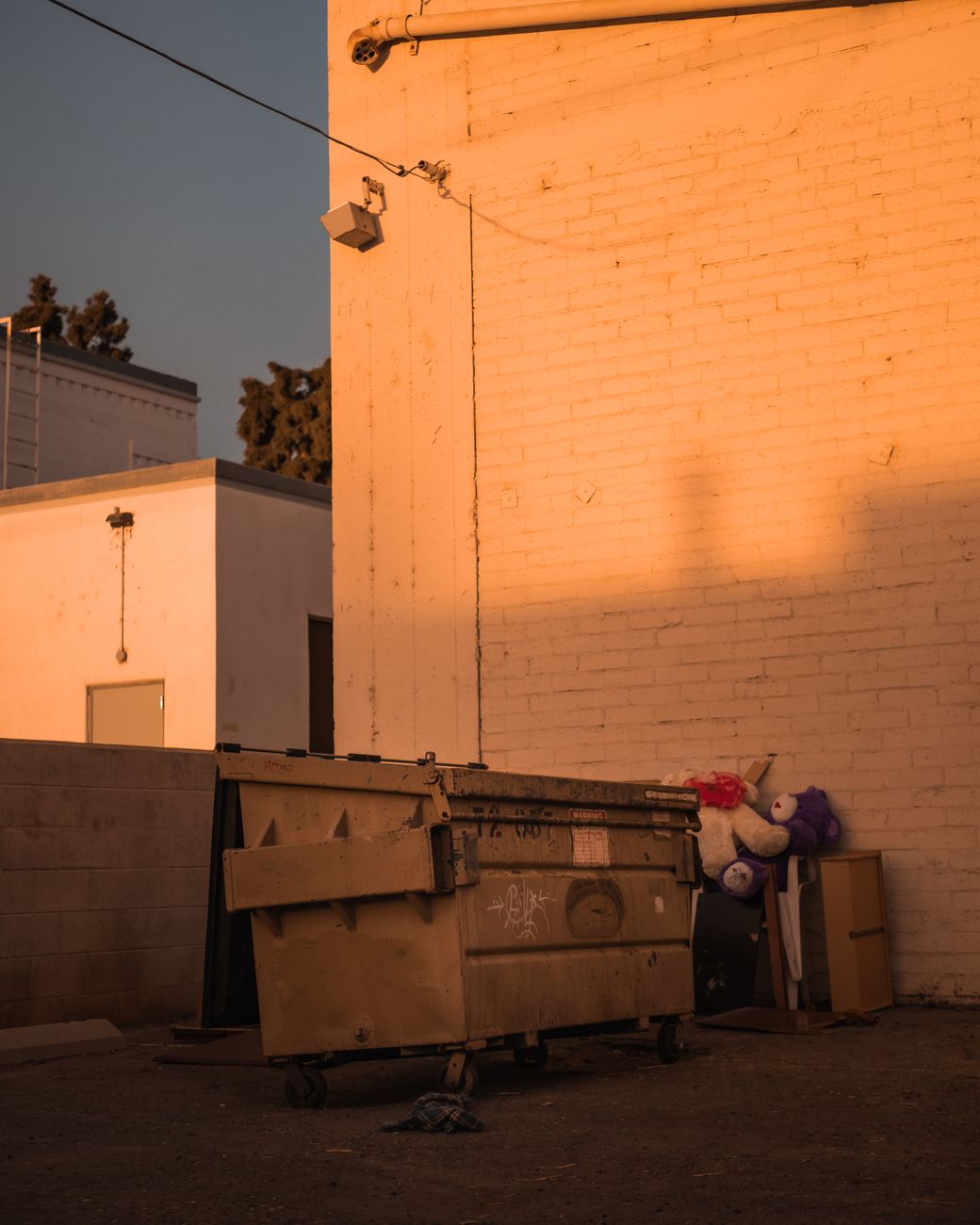
The first time Maya saw the pile, she thought the house had been hit by a tiny tornado. In her Silver Lake backyard—an overgrown jungle of sage and rosemary—old drywall leaned against a rusting barbecue, shelves lay like fallen trees, and a mountain of plaster dust puffed up when the afternoon breeze ran through it. A neighbor called it an eyesore. Her contractor called it ‘construction waste.’ The city inspector called it ‘a liability.’ Maya called a dumpster company and, in the same breath, asked herself an awful question: could getting rid of all of this be the beginning of something else?
Setup: The House, the Plan, and the Clock
Maya had bought the Craftsman in Echo Park with the sound of traffic and the scent of jasmine in mind. She and her partner wanted a sunlit studio, a place for making pottery and hosting late-night taco nights. But renovation was messy work, and LA is a city that eats space slowly and sometimes all at once. Weeks of demo left the front stoop piled with decades of accumulated junk. The contractor, Ramon, parked a pickup, took off his gloves and said, ‘We need a dump box for this. Street placement. Permit. Tomorrow morning, if you want us to stay on schedule.’
Ramon’s voice had the practical, impatient cadence of someone used to navigating Los Angeles logistics: parking rules, narrow alleys of Venice, tight driveways in Burbank, the truck route through Glendale. He explained that in some neighborhoods—like Hollywood or West Hollywood—placing a dumpster on the street requires a city permit and sometimes a Traffic Control Plan. In other places, like a wide lot in Torrance, you could slide a 20-yard container right onto the driveway.
Rising Action: Picking a Dumpster, A Permit, and a Confrontation
Maya learned that dumpster removal wasn’t just about wheels and metal. It was about choices that make or break a renovation: size, timing, what to throw away, and what to revive. The rental company asked how many cubic yards she needed. ‘What about a 15-yard?’ she asked. Ramon shook his head. ‘For full kitchen demo? Too small. 20 or 30. Think of it like moving: you can overpack, but then you overpay.’ He pointed to a neighbor’s driveway in Glendale where a 10-yard box sat cramped between a Tesla and a lemon tree. ‘That’s a 10. Might work for a cleanout, not a remodel.’
The tension came one Thursday when a city inspector from Los Angeles Department of Building and Safety stopped by during a delivery. The driver, Luis, a soft-spoken man with grease under his fingernails and a worn Dodgers cap, put down the chains and said, ‘You’re lucky I timed it before the meter patrol.’ He handed Maya a permit form the company used for street placement. ‘If you put this dumpster on the curb in front of the house in Santa Monica or Culver City, you’ll need a DOT permit. Sometimes they’ll ask for cones, signage, and even a temp lane closure.’ He wiped his hands on his jeans. ‘And you can’t toss hazardous stuff. Paint, batteries, old TV tubes—those go to the county HHW facility.’
On the second day, a neighbor from two doors down—an elderly man who’d watched the neighborhood change for decades—knocked on Maya’s gate. ‘Lovely house,’ he said, eyes flicking toward the container. ‘But those boxes make noise. And they block my view of the jacaranda.’ He worried about permits and parking, and Maya realized this project touched more people than she imagined: delivery drivers weaving past school kids in Inglewood, recycling centers in Long Beach, and donation spots that smelled of used coffee cups and second chances.
Key Insights: Dumpster Sizes, Costs, Recycling, and Local Rules
As Maya navigated the process, she learned the language of dumpster removal. Companies typically offer boxes in sizes like 10, 15, 20, 30, and 40 cubic yards. A 10-yard is roughly the size of a small SUV’s cargo space—good for small cleanouts in places like Beverly Hills parking courts. A 20-yard fits a medium remodel; a 30- or 40-yard absorbs entire garage clear-outs. Weight matters: many rentals include a ton or so of material; beyond that, fees apply. Concrete, soil, and tile are heavy; lumber is lighter. In Pacoima, where many homes are mid-century and full of cast-iron fixtures, weight surcharges are common.
Cost varied across the region. In marketplaces from Pasadena to Carson, price depends on size, rental time, weight, landfill fees and whether a street permit is required. ‘Ask what’s included,’ Ramon advised. ‘Some companies add transfer fees if they have to drop your load at a recycling facility in San Pedro or Long Beach. Some give a dual option: landfill or recycling.’ He told her to get a written quote with weight limits, prohibited items and what happens if the rental runs over the scheduled days.
Prohibited items are important to remember. Batteries, asbestos, fluorescent bulbs, motor oil, tires, propane tanks, and chemicals have special handling. LA County runs Household Hazardous Waste events and has permanent collection centers. Electronics often fall under e-waste rules and have separate drop-off sites. If you found a mattress or an old piano in a pile (