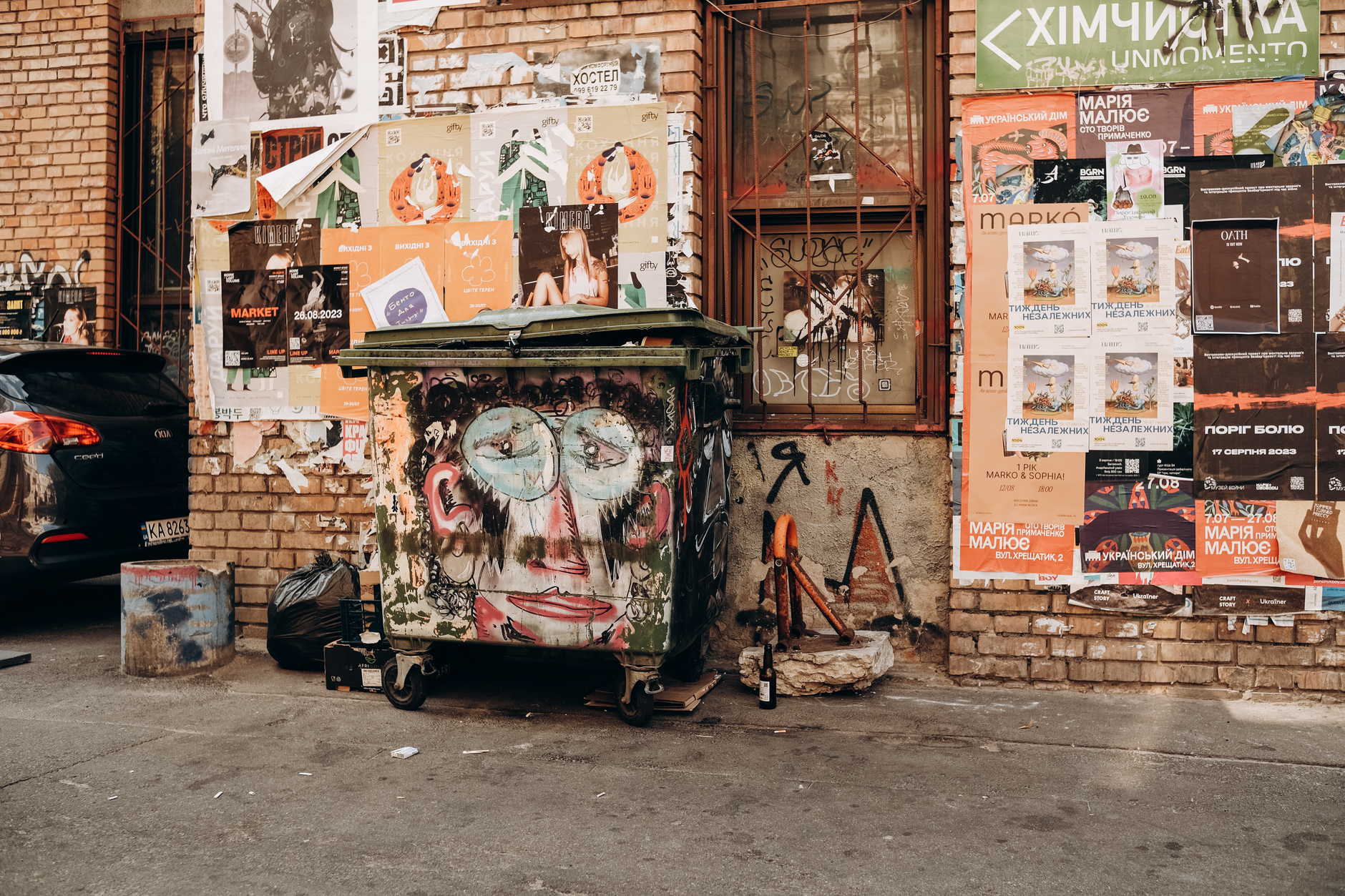
By dawn in Echo Park the street still smelled of yesterday’s rain and fried churros. A stack of old pavers, a sagging couch mottled with a lifetime of pet hair, and a scattering of broken tiles sat like a makeshift monument to a renovation that had taken longer than anyone intended. From the corner, a rumbling K-rail of traffic announced the day, and then the heavier, meatier growl of a roll-off truck eased into the curb. It felt like a small apocalypse being put back together; in the back of the truck, a green dumpster hunched like a sleeping animal, waiting to be filled. ‘You found us on a Tuesday—lucky,’ the driver said, wiping his palms on his coveralls. That one sentence started a day that would thread through neighborhoods from Silver Lake to Long Beach and reveal what dumpster removal really means in Greater Los Angeles.
Setup: People, Places, and the Problem
Maya, a homeowner in Highland Park, had been renovating her kitchen and reclaiming a garden in her tiny backyard. Across town, Jorge, a contractor based in Burbank, was wrapping up a tear-out in a duplex he owned in Pasadena. In Venice, an artist collective was clearing out decades of found objects and cinder-block sculptures. Each of them had one common problem: where to put the debris. Driveways were crammed, garages were no longer an option, and the thought of multiple trips to the dump made them dizzy.
Los Angeles is a city of neighborhoods stitched together by narrow streets, strict curb rules, and an entire ecosystem of permit requirements. In Santa Monica and Culver City, a dumpster sitting on the street often needs a municipal permit and cones. In historic Pasadena blocks or Glendale’s tree-lined avenues, homeowners associations can add another layer of approvals. These constraints shift what seems like a simple task—rent a dumpster—into a careful choreography of timing, sizing, and compliance.
Rising Action: The Logistics Tighten
The phone calls began at 7:30 that morning. Maya texted a photo of her driveway: a slim rectangle squeezed between two cars and a washing machine. ‘Can you get something that small?’ she asked. Jorge sent a list of demolition debris—old cabinets, drywall, tiles—and needed confirmation that the load wouldn’t trigger hazardous disposal rules. At the artist collective, Lucia said, ‘We have a skiff of plaster and paint cans that probably should not be dumped with the wood.’ Each story raised small complications: driveway access, weight limits, city permits, and the thorny rules about what belongs at a transfer station versus a recycling center.
On a narrow street in Torrance, a truck driver navigated around parked cars with the practiced patience of someone who knows that mirrors and a cornice can be the undoing of a route. The dumpster placement had to account for vehicle overhang, visibility, and, in several cities, a permit notice posted where neighbors could see it. The acrobatics of maneuvering a hulking steel box into a tiny urban slot felt almost ceremonial. ‘The trick,’ the driver said, ‘is to think three moves ahead—like chess, but with trash.’
Key Insights: What Dumpster Removal Really Involves
As the day unfolded across neighborhoods—Culver City colonized by film crews, Malibu’s hills smelling of eucalyptus, Long Beach’s docks reminding everyone of the city’s industrial spine—the practical lessons became clear. Size matters. Roll-off dumpsters typically range from 10 to 40 cubic yards. A 10-yard container works for small cleanouts or single-room remodels; 20 yards suits medium renovations and roofing jobs; 30 to 40 yards are for major demolitions and commercial jobs. Overloading a dumpster, whether by weight or illegal materials, can earn a homeowner fines and the headache of unloading and re-sorting.
Another insight tied to timing. Many companies offer same-day or next-day service in Los Angeles, but weekend drop-offs can be pricier. Traffic is a factor: a three-hour drive from downtown to Malibu at sunset can add to the bill. And then there are the environmental steps: LA County encourages recycling and diversion. Concrete and dirt often go to separate facilities; wood can be repurposed as mulch or burn-free biomass, while metal and appliances are recycled. Drivers and company planners often double as impromptu environmental consultants, steering customers toward cheaper, greener disposal options.
Permits and parking regs matter more than people expect. In the City of Los Angeles, placing a dumpster on a public street generally requires a DOT permit and a refundable deposit in some districts. Santa Monica enforces strict placement and aesthetic standards to protect their coastal streetscape. Neighborhoods with historic districts or narrow streets—parts of Pasadena and Glendale—frequently require special permissions. Ignoring these rules can lead to citations that eclipse the cost of the dumpster itself.
Weaving in the Human Moments
By noon, the artist collective in Venice had half-filled their container. The smell of spray paint and sawdust mingled with coffee from a nearby café. Lucia sat on the curb, watching as a young man in a reflective vest hoisted a rusted bicycle into the dumpster. ‘We were afraid we’d lose a piece of the studio to hauling,’ she confessed. ‘But watching it all go up together felt like closing a chapter.’ Across town, Jorge’s crew took a lunch break on a battered couch they were about to throw away, laughing at a forgotten photo found in the cushions. These moments—the wistful, the practical, the oddly tender—reminded everyone that rubbish is often history disguised as junk.
There were also tense moments. In a narrow Echo Park alley, a neighbor complained about the noise and the temporary loss of street parking. ‘We had to explain the permit,’ Maya said later, ‘and promise the dumpster would be gone in 48 hours.’ Communication smoothed the process: notifying neighbors in advance, posting the permit conspicuously, and choosing delivery windows that minimized disruption. Dumpster removal in Los Angeles is part logistics and part diplomacy.
Practical Tips Woven into the Scene
As the last dumpster was loaded in Long Beach, the driver offered a few rules of thumb, like a raconteur passing wisdom on a long route. ‘Don’t put tires or paints in the bin. Separate the metal and call for appliance pickup if it has refrigerant. If you have asbestos or lead paint, call a licensed abatement team—don’t just toss it in here.’
Other tips: measure your driveway and street access before booking, photograph the area for your permit application, and ask the company about weight limits and overage fees. Compare companies not just by price but by what they include: some quote a flat rate with a larger fuel surcharge, others break down drop-off, rental days, and disposal fees. Ask about diversion rates—how much of your load will be recycled?—and whether the company tracks where the waste goes. In a region increasingly mindful of landfill space and local air quality, knowing the destination matters.
Resolution: The Streets Clear, Neighborhoods Breathe
By late afternoon, the dump sites and transfer stations had processed waves of material. In Silver Lake, Maya stood in her small, newly-swept yard and breathed as if she had been holding the air for weeks. The garden smelled of damp soil and rosemary. In Pasadena, Jorge closed the duplex’s door and found himself pausing at a freshly-cleaned threshold, thinking about the tenants who would come next. The artist collective in Venice toasted the day with cold soda, the dumpster outside their studio now a silent, flattened rectangle on the truck’s back, already destined for new ground beyond the county.
The roll-off trucks disappeared down grand boulevards and into quieter residential streets, leaving behind a trail of quieter blocks and neighbors who, for a moment, had something more than a pile of rubbish to argue about. City crews in Santa Monica replaced cones and checked permits, while in Long Beach the cage of the recycling yard swallowed pallets for their next life. Even the drivers felt a kind of satisfaction that had nothing to do with the invoice. ‘It’s like watching a puzzle get put back together,’ one said, glancing at the skyline where the sun lit palm trees like torches.
Takeaway: What to Remember and What to Do
Dumpster removal in Greater Los Angeles is a choreography of timing, rules, and choices that ripple across neighborhoods from Malibu’s cliffs to Burbank’s studios. The practical stakes are clear: choose the right dumpster size, know your city’s permit requirements, separate materials for recycling, and avoid hazardous items without certified abatement. The softer lesson is equally important: clearing space can be an act of renewal, releasing not only debris but the hold that old things have on life.
If you have a project coming up, start by measuring the space and making a short inventory of what will go into the bin. Call multiple providers and ask where your waste will be taken, what their diversion rate is, and what permits you need. Let neighbors know the schedule and keep a visible permit on the dumpster if the city requires it. Above all, treat the process as part of the neighborhood’s story—something that, when done thoughtfully, leaves the street cleaner and quieter than before.
When the last glow of dusk settled over Los Angeles, the silhouette of a truck receded toward the industrial lights of the transfer stations. A dumpster, once full of old stories and broken things, had been rolled away into the city’s vast metabolism—some items recycled into new forms, others laid to rest in regulated spaces, and a few, unexpectedly, found their way back into someone’s hands. In the quiet after, Maya watered her new succulents, listening to the distant pulse of the freeway. For the neighborhoods that had been temporarily disrupted, the day had been a small disturbance with a generous ending: a freshly cleared space and the relief of a job well done. The street smelled faintly of wet earth and exhaust, and for a while it felt as if the city itself had exhaled.