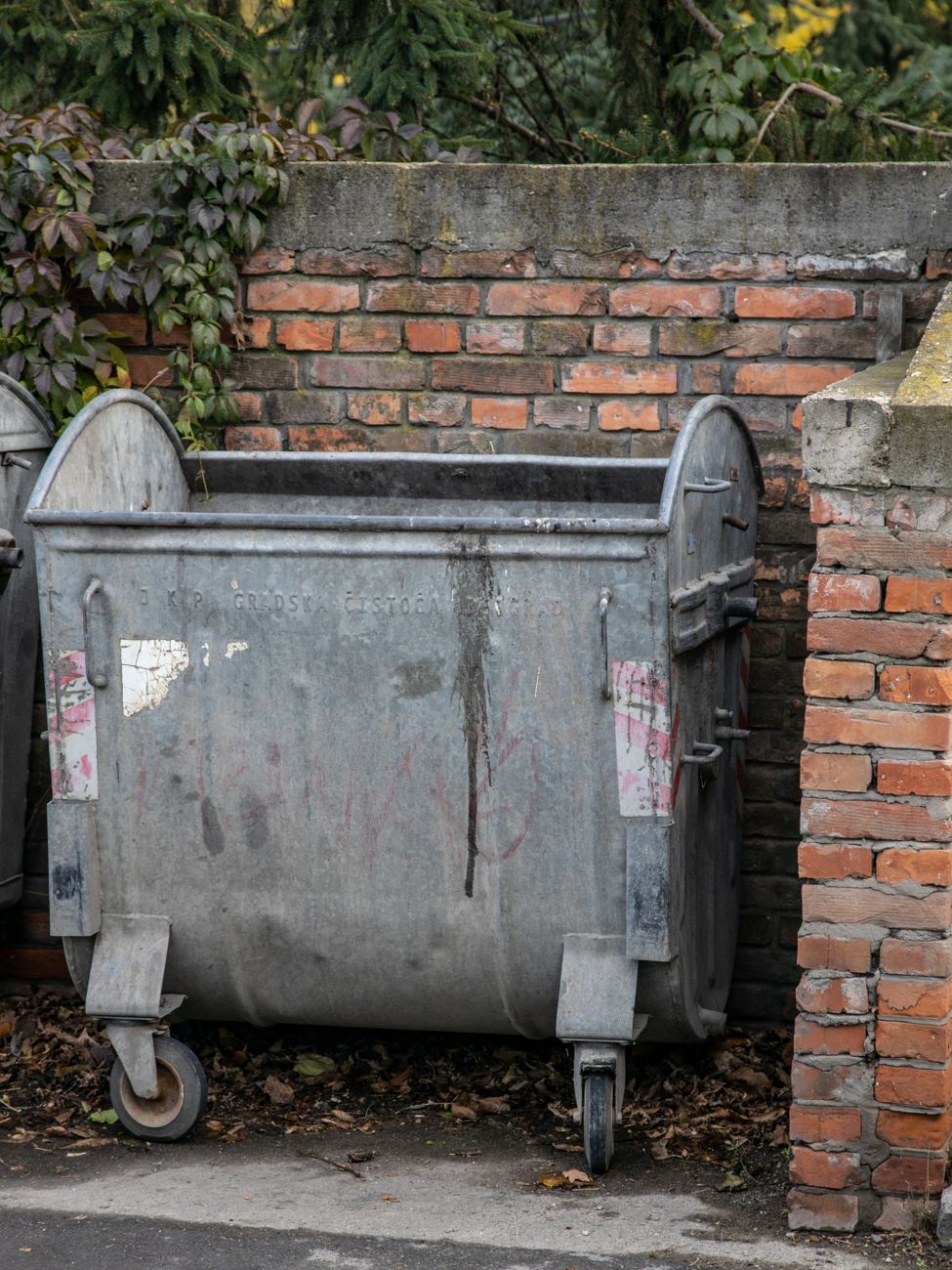
Have you ever watched a hulking metal box arrive at dawn and felt the quiet alchemy as clutter, memories, and months of sweat were hauled away in a single clank of the hydraulic arm?
Morning in Echo Park: The Call
Maria opened her front door to a cool Los Angeles morning, the scent of coffee mixing with the faint salt of the ocean breeze drifting over from Venice. She’d been living in her Craftsman home in Echo Park for eleven years, hoarding boxes of paint cans, a broken loveseat, and enough tile to pave a small plaza. The remodel of her upstairs unit had finally reached that point: the threshold where living in chaos had to end. Her neighbor, Ken from the duplex next door, stuck his head over the hedge.
“You sure about this?” he asked, squinting at the mountain of debris piled on Maria’s driveway.
“I booked it for Tuesday,” Maria said, the determination in her voice a thin shield over exhaustion. “Derek’s bringing the dumpster. Luis is driving. They said they’ll sort it, recycle what they can, and get it gone before the painters come Thursday.”
The Setup: People, Plans, and Permits
Derek arrived in a rumbling truck from a local Long Beach hauler, his clipboard full of checklists. He had spent the previous Monday walking the streets of Los Angeles—Burbank, Pasadena, and even as far west as Santa Monica—helping homeowners and contractors choose the right container, guiding them through permits, and navigating the mosaic of municipal rules sprinkled across the Greater Los Angeles Area.
“Different cities, different rules,” he said, tapping his pen against a page. “Hollywood’s narrow streets need smaller placements. If you’re putting a dumpster on the curb in West Hollywood, you’ll need a right-of-way permit from the city’s public works. Same in Downtown LA—some blocks trigger parking restrictions, and the DOT wants advanced notice.”
Derek unpacked the options: 10-yard units for home cleanouts, 20- and 30-yarders for major renovations, and towering 40-yarder boxes for commercial jobs around Downtown LA or warehouse districts near Vernon. He explained weight limits, duration windows, and the hidden costs that surprise first-timers: extended rental fees, overweight charges at transfer stations, and fees for contamination if someone tossed hazardous materials into the mix.
Rising Action: The Heap That Wouldn’t Quit
By Tuesday morning the driveway looked like a movie set—stacks of drywall dusting the air, a leaning bookshelf soaked in sunlight, and a guitar wrapped in a sheet that had once belonged to Maria’s late father. There was urgency in everything: neighbors whispering about noise complaints, a city inspector scheduled to check the sidewalk placement, and a line of delivery trucks that could complicate a curbside drop in busy Culver City later that week.
“We have to be quick and smart,” Derek told Maria, gesturing toward a cluster of paint cans. “Those are considered household hazardous waste in most cities. LA Sanitation won’t take them in a regular dumpster. We’ll separate them and I can tell you where the nearest household hazardous waste drop-off is—Santa Monica and Torrance both have drop-off centers with set hours.”
As the crew worked, Luis hummed to himself, the diesel engine like a bassline under the morning. He had driven dumpsters up and down the 405, negotiated hills in Malibu, and carefully placed containers in narrow alleys behind bungalows in Silver Lake. He was a fixture of the neighborhoods—a friendly, efficient presence who knew when to roll up on a job with confidence and when to slow down and listen.
Key Insights Woven into the Story
Between the lifting and sorting, Maria learned more than she had expected about dumpster removal in Greater Los Angeles. Derek explained the practical decisions that make a difference:
- Size matters: 10-yard dumpsters are perfect for garage cleanouts and small remodels in neighborhoods like Highland Park; 20- to 30-yarders suit kitchen overhauls in Burbank or large yard debris in Glendale; 40-yarders are typically used for major commercial projects or multi-unit renovations in dense areas like Downtown LA.
- Placement and permits: If a dumpster will sit on the street in West Hollywood, Santa Monica, or Beverly Hills, you usually need a permit from the city’s public works or transportation department. Permits prevent parking ticket headaches and sometimes require traffic control plans for narrow streets.
- Weight rules and tipping stations: Most haulers quote rental fees separately from disposal costs. Materials are hauled to local transfer stations or landfills in places like Long Beach or Torrance, where weight-based tipping fees apply. Overloading a dumpster can quickly inflate your bill.
- What not to toss: Electronics, tires, refrigerators, paint, solvents, and propane tanks are often prohibited in standard dumpsters. Each city has household hazardous waste drop-off programs—Los Angeles County runs regular hazardous waste events and drop-off centers across the region.
- Recycling and donations: Salvageable items—windows, appliances, furniture—often find second lives at donation centers in Pasadena or through local non-profits. Construction and demolition debris can be separated for recycling; many companies in LA are required to recycle a portion of C&D waste.
Maria nodded, the knowledge settling like a map in her hands. “So it’s part logistics, part policy, and part etiquette,” she said.
Turning Point: A Neighbor, a Complaint, and a Compromise
Midday brought a test. A neighbor from down the block—Mrs. Alvarez from the duplex on the corner—knocked on Maria’s door, her brow furrowed. “There are too many trucks idling on the street,” she said. “And yesterday the painters dumped a roller tray behind your car. I’m worried our block looks messy; we have a rental showing tomorrow.”
Maria felt the old panic swell: the fear that cleaning up would make her home less marketable, not more. Derek stepped in, his voice calm. “We can create a clean staging plan. We’ll keep the area tidy, compress the debris so fewer pickups are needed, and screen off the dumpster with temporary fencing and mesh. I can also contact the city to confirm our curb permit—no surprises.”
He worked with Luis to reorganize the flow. They separated metals to take to a recycling center in Glendale, stacked intact cabinets for donation to a Habitat for Humanity ReStore in Pasadena, and set aside the hazardous containers for a scheduled drop-off at a county facility.
The Resolution: Lightness and a Clean Curb
By late afternoon the symphony of clanks had quieted. The dumpster, now less hulking and more purposeful, rolled away amid the soft light of an LA sunset. The crew left the driveway swept, a line of broom strokes like brush marks on a canvas. Mrs. Alvarez walked by, took in the scene, and gave a small, surprised smile. “It looks… peaceful,” she said.
Maria stood on her porch, chest unclenching. She ran a hand along the banister where dust had settled that morning and felt the grain of the wood, warm from the day. The house no longer felt like a storage unit pretending to be a home. The upstairs walls were clean, ready for paint; the hallway smelled faintly of citrus from the final sweep.
Aftermath: Practical Lessons from a Big Clean
Over the next few days, Maria reflected on the lessons learned—not as a list, but as a change in how she looked at space and responsibility in a city of neighborhoods. She wrote down the names and numbers of the hauler, the transfer station they’d used in Long Beach, and the donation centers she could call when friends asked for references.
She also made mental notes that might help anyone in Greater Los Angeles planning a similar project:
- Call early: Book dumpsters at least a week ahead if you’re in busy neighborhoods like Venice or Santa Monica, where weekend work and film production can tie up road space.
- Measure the spot: Ensure the driveway or curb space can accommodate the unit. Narrow streets in Hollywood and Torrance need smaller options or alley placement.
- Confirm permits: Check your city’s public works or DOT website for right-of-way permits and any required signage or traffic control.
- Separate materials: Segregate hazardous waste, recyclables, and donations before the dumpster arrives to avoid delays and extra fees.
- Hire locally: Local haulers understand municipal nuances—from Burbank’s tree-lined streets to Glendale’s hillside drives—and they can often secure faster, more affordable service.
Takeaway: What to Remember
What Maria learned that week was less about dumpsters and more about rhythm: the rhythm of a city where every block has its own rules, and the rhythm of a home returning to itself. Dumpster removal in Greater Los Angeles is logistical choreography—matching the right container to the job, securing permits in the correct municipality, sorting waste streams responsibly, and hiring teams who respect your neighbors and the environment.
As the last light slipped behind the palms lining her street, Maria sat with a cup of coffee she’d left to cool. The air tasted faintly of eucalyptus and distant ocean salt. She listened for the neighborhood sounds—a dog barking in Echo Park, a distant siren in Downtown LA, a skateboard on Sunset Boulevard—and felt a lightness ripple through her body. Luis waved from his truck, a silhouette against the orange glow, and drove off toward his next job in Culver City.
In the warm hush, Maria imagined the house transformed: paint on the upstairs walls, a new lamp by the window, the guitar wiped clean and returned to its corner. The dumpster had not been an ending but the necessary clearing that makes a new story possible. She closed her eyes and held the moment—the quiet street, the smell of fresh wood, the sky a deep, Pacific blue—like a photograph she could return to anytime she worried the work would never be done.
Later, when friends asked how she managed the chaos, Maria would say: “Start early, pick local, know the rules, and treat the block like a neighbor.” It was practical advice, wrapped in gratitude, and it left her home with space to breathe and a city ready for whatever came next.
The final image that lingered as the truck’s taillights disappeared was simple: a well-swept curb, a single palm casting a long, graceful shadow, and the faint imprint of tire tracks leading away—evidence that sometimes, in a sprawling city, a small, thoughtful removal can make room for the life you mean to live.