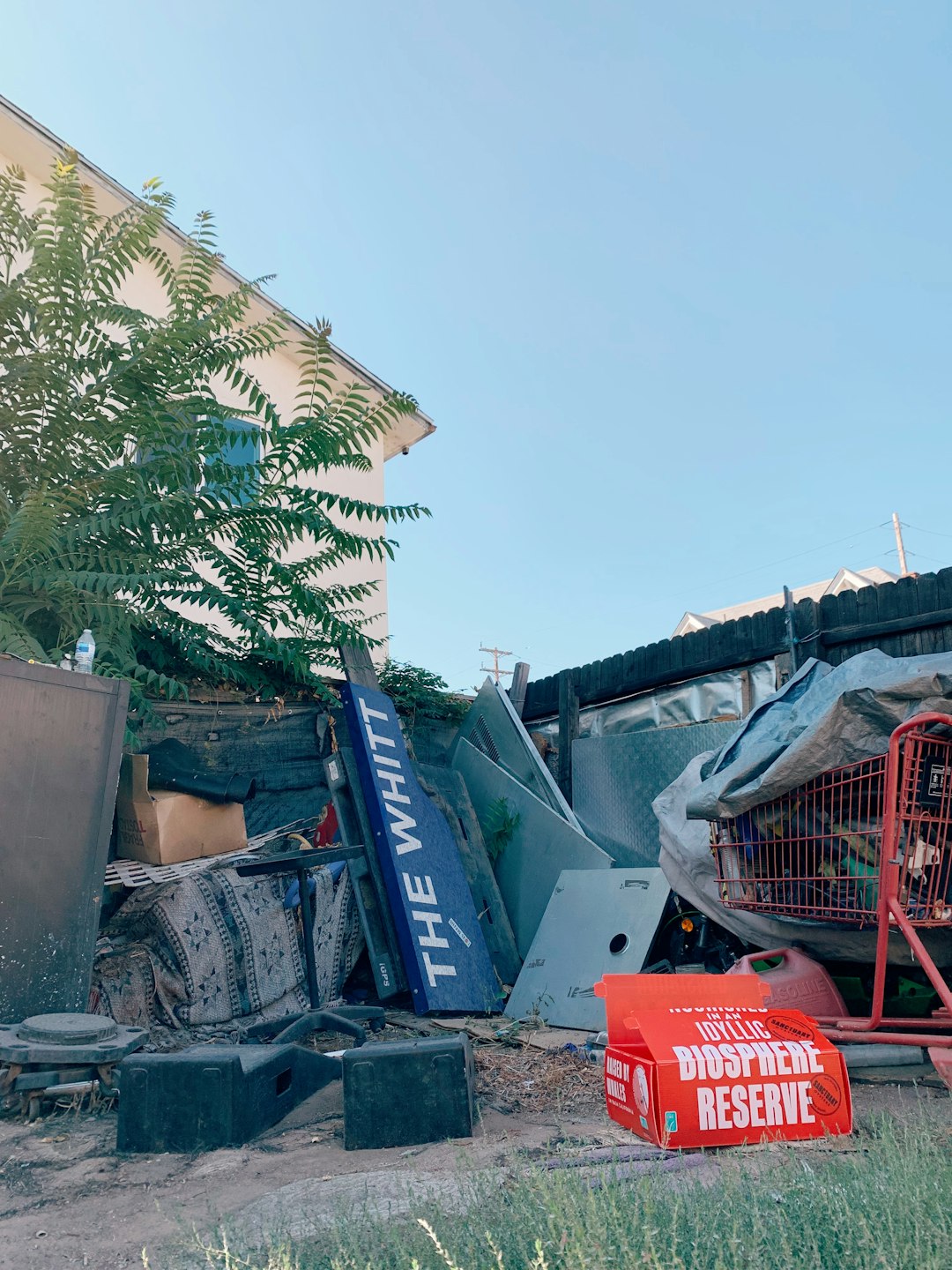
It began with the smell — faint, sunbaked and sharp — the first day we pulled up to a bungalow in Echo Park that had been full of other people’s lives for decades. Cardboard boxes, broken chairs with tattered upholstery, ceramic fragments glinting like teeth in the light, and a radio that still tried to hum despite being half buried. ‘We need a dumpster,’ Maria said, wiping dust from her cheek. ‘Something the city won’t laugh at.’
Set against a City that Never Stops Clearing
Los Angeles is a collage of households, storefronts and endless projects. From the beachside cottages in Santa Monica where old surfboards gather dust, to the Spanish-tiled homes in Pasadena with decades of attic clutter, the need for removal is a rhythm here. The characters in this story — Maria, a tenant-turned-owner determined to clear her late aunt’s rental; Jose, a contractor juggling a remodel in Burbank; and Lila, a homeowner in Torrance staging her house for sale — all called on the same kind of help: a roll-off dumpster big enough to hold the past and make room for the future.
In Glendale, I watched a crew maneuver a 20-yard dumpster between two jacaranda trees, the hydraulic hiss blending with the distant hum of the 134 Freeway. In Inglewood, a young couple debated whether to keep a rusted bicycle with a story attached. In Malibu, the ocean breeze made sorting yard debris feel almost ceremonial. The dumpster, in these moments, was less an object and more an instrument of choice.
Rising Action: When Size, Space, and Law Collide
Choosing a dumpster in Los Angeles is never just about volume. Maria learned that the hard way. She’d ordered a 30-yard container — towering and promising — expecting it to swallow the bungalow’s contents in a single roar. The driver arrived at dawn and paused beneath an overhead electric line, the truck’s shadow falling across neighbors’ roses.
“We can’t set this here,” the driver said, tapping his phone. “You’ll need a permit if it blocks the street. And that overhang? We have to be careful with the lift.” His voice had the calm of someone who knew the streets from the inside out. Maria’s hands tightened. She hadn’t budgeted for permits.
Permit rules in Los Angeles County vary by city — Culver City and West Hollywood have strict curb-blocking regulations, while some parts of unincorporated LA County allow driveway placement without a permit. For tight spaces in Hollywood or on narrow Pasadena lanes, smaller 10 or 15-yard dumpsters often make more sense. Contractors in Long Beach and Torrance keep a mental map of which streets can accept a 20-yard roll-off and which will reject anything too ambitious.
Weight is another invisible wall. Jose, the Burbank contractor, had flirted with a budget-friendly 15-yard bin for a tear-out job. It filled quickly with plaster, tile, and a pile of old lumber. At the transfer station the driver discovered the load exceeded the weight limit. An overage fee nudged the final bill higher than expected.
Key Insights Woven into the Story
As the crews worked, they taught us the rules through action. ‘Never put batteries or paint cans in the dumpster,’ the driver told Maria, as we watched her sister separate a rusting can of motor oil. Hazardous materials are banned — things like oils, pesticides, electronics, fluorescent bulbs, and tires must be handled differently. In Los Angeles, there’s a network of household hazardous waste drop-off sites; the city of Los Angeles and surrounding cities offer special collection days for items that can’t go to the landfill.
We learned about recycling too. Roofing shingles, concrete, and clean lumber can sometimes be taken to recycling facilities or crushed and reused. In Long Beach, a construction crew had their old concrete loaded and hauled to a facility that turned rubble into base material for new projects. The smell of crushed stone was sharp, mineral, and oddly satisfying — like progress made tangible.
Timeframes matter. Standard rentals usually span 7 to 10 days, but permits and project timelines can extend that. Jose’s permitting snafu in Burbank added two days to a scheduled demolition, and the crew had to shuffle subcontractor schedules in response. Communication with the dumpster company — specifying pickup date, drop-off location, and anticipated load — becomes logistical choreography.
Then there’s placement. Driveway placement prevents the need for street permits but risks scuffing pavers or blocking garage access. Jose negotiated with a neighbor to park on their street for a day. ‘It’s the neighborly thing to do,’ he said, and handed over a laminated card promising cleanup and reimbursement for any tickets.
Small Conversations, Big Lessons
On a hill in Silver Lake, Lila watched her real estate agent walk a potential buyer through a clutter-cleared home. ‘You’d be amazed how restful an open space can be,’ the agent murmured. Lila’s eyes followed a scattering of sunlight across the newly polished floor. The dumpster had been rented for two weeks, mostly filled with old furniture and empty coffee tins that smelled faintly of cinnamon.
‘Did you ever think we’d get to this point?’ she asked the foreman, who nodded with a kind of quiet pride. The crew had spent the morning moving a piano. The heavy keybed scraped against the street’s asphalt as if protesting its own release.
Another conversation, in a construction yard near Harbor City, revolved around cost-savings. ‘Separate the clean wood and metal now,’ one worker advised. ‘You’ll recover costs by recycling. Plus, it cuts weight in the dumpster — fewer overage fees.’ Practical, hands-on wisdom mixed with the clatter of tools and the smell of sawdust.
Resolution: A City Cleared, Stories Kept
Over several weeks, dumpsters arrived and left across Greater Los Angeles. In Echo Park, Maria stood on the bungalow’s porch the day the truck took the last load. A neighbor had leaned over the fence, offering cold lemonade and a story about the original owner’s garden. The house looked smaller to her now but somehow lighter. ‘It feels like air can get through the walls,’ she said, smiling at the memory of the radio that had finally gone.
In Burbank, Jose signed the final invoice and tipped the driver for extra patience. ‘Next time we’ll plan around the permit,’ he joked. In Torrance, Lila’s house staged beautifully under a sky brushed with low-pitched aircraft engines, the ocean a distant smear. The dumpster was gone; the staging crew arrived with plants and neutral linens. In Hollywood, a duplex cleared of old furniture opened to two new tenants who’d been waiting for months.
The dumpster is an end and a beginning. It’s a metal throat that takes what we no longer want so others can enter a lighter chapter. For Maria, it meant honoring an aunt by clearing out the past and planting a small rosemary bush where the radio once sat. For Jose, it meant meeting a deadline and learning a rule about weight limits. For Lila, it meant closing a sale and opening a new life.
Takeaway: What to Remember and Do
If you find yourself needing a dumpster anywhere from Beverly Hills to Long Beach, from Culver City to Malibu, remember these practical rules hidden in the stories above: choose the right size for your space and debris type; check city-specific permit requirements for curb placement; separate hazardous materials and arrange proper disposal; keep recyclables and reusable materials separate to reduce weight and cost; be aware of rental length and weight limits to avoid surprise fees; and communicate clearly with your hauler about timing and placement.
Where possible, lean into local resources. Los Angeles County and many surrounding cities offer household hazardous waste facilities and special collection days. Transfer stations and recycling centers across the region accept concrete, metal, and clean wood. Ask your dumpster provider about diversion options and partner facilities — a good hauler will help you reduce landfill waste and sometimes recover value through recycling.
Above all, treat the process like a neighborhood story. Ask for help when streets are narrow, speak to neighbors about temporary parking, and treat crews with patience. The city is a patchwork of people clearing rooms and building new ones; a dumpster becomes the vessel in which those transformations happen.
On the day the last dumpster rolled away from Maria’s bungalow, sunlight spilled through the jacaranda like scattered coins. The street smelled briefly — and perfectly — of rosemary, dust, and the faint ocean that keeps Los Angeles dreaming. She set the radio on the porch as a keepsake; it no longer had to carry the weight of the house. As the truck curled away and the dust settled, Maria inhaled, and for the first time in years, she could see the path ahead.