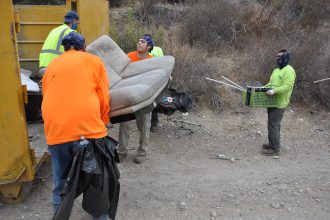
What do a blocked alley, a sophomore’s prom dress, and an old upright piano have in common? They all stood between Maria and a peaceable Sunday morning in Echo Park, until a rumbling roll-off truck and a handful of determined neighbors turned a chaotic mess into open air and possibility.
The Morning That Wouldn’t Wait
It was one of those Los Angeles mornings that feels like a movie — sunlight slanting through jacaranda branches, the distant rumble of the 101, and the smell of coffee mixing with sawdust from a renovation next door. Maria stepped into her front yard and surveyed the scene: piles of drywall, a leaning bookshelf, a mattress that had seen better lives, and the piano, a weighted ghost from her grandmother’s living room. The alley beside her home was narrow, bordered by a chain-link fence and a patch of impatiens. A neighbor had already taped up a handwritten flyer: “Dumpster arriving at 8:30. Please clear spot.”
She dialed the number, and within twenty minutes Jamal from Long Beach, the roll-off driver, honked and backed the truck so carefully you could hear the gravel complain. Jamal’s crew wore reflective vests and grinned like guys who knew how to solve spatial puzzles. “We’ll have this cleared by noon,” he said, wiping his hands on his knees. “Just tell me what’s going in and what’s staying.”
Setting the Scene: Space, Rules, and the City
The story of that morning is also the story of Greater Los Angeles: a tapestry of neighborhoods — Echo Park, Silver Lake, Culver City, Hollywood, and beyond — each with its own quirks and rules when it comes to dumpster removal. As Jamal positioned the 20-yard roll-off so it didn’t block a driveway or the trash bins for the day, Maria learned a quick geography lesson in municipal logistics.
In Pasadena and Glendale, she was told later, the city requires permits for dumpsters placed on public streets or alleys. Beverly Hills had an HOA rep who liked things exceptionally tidy and insisted on an extra permit and a $50 deposit for curb placement. Santa Monica, with its strict recycling ordinances and green waste rules, meant that certain materials had to be separated or hauled by a licensed recycler. Even within the wide sweep of Los Angeles County, rules change block by block.
Rising Stakes: Sizes, Fees, and the Hidden List
As the crew began tossing in broken cabinets and a stack of old magazines, Maria asked the sort of questions that often become real-world headaches: “How big should the dumpster be? What can’t go in? How long can I keep it?” Jamal smiled and rattled off the basics like a conductor calling the day’s rhythms: 10, 15, 20, 30, 40 — the cubic yard sizes that determine what a roll-off can carry. A 10-yard is perfect for a garage cleanout; a 20-yard handles a kitchen remodel; a 30- or 40-yard is for full-home gut jobs or heavy construction debris.
He warned her about the hidden list: tires, batteries, solvents, paints, fluorescent tubes, asbestos, and certain electronics don’t belong in a standard dumpster. “We’re not a universal graveyard,” Jamal joked, but the point was serious — hazardous materials require specialty disposal. He also pointed out the trap of weight limits: a dumpster can look half-empty but exceed the weight allowance with heavy debris like concrete or dirt, triggering overage fees at transfer stations or landfills like Sunshine Canyon in Sylmar or regional facilities around Long Beach and Vernon.
Key Insights Woven Into the Work
While a crew stacked wood and jammed the piano doors open, Maria learned tips that changed the way she would approach projects forever. First, measure your driveway and street access before booking: San Fernando Valley homes with tight alleys call for smaller sizes or a carrier who specializes in narrow-drop placement. Second, know the billing model — flat-rate includes drop, pick, and an estimated weight; per-ton billing might seem cheaper until demolition dust and heavy concrete add surprise costs.
Jamal also emphasized timing: standard rental windows are seven to ten days, but many Greater LA companies offer 24-hour drop-off, same-day service in areas like Inglewood or Torrance, and flexible extensions for a fee. If you’re working with a contractor out of Burbank or Glendale, coordinate delivery on a work day to avoid blocking sidewalks or irritating neighbors in West Hollywood or Hollywood Hills.
Dialogue on the Curb
“You sure you want to toss the piano?” asked Miguel, the contractor from Burbank, who’d been breathing the same sawdust air as everyone else.
“It’s been collecting dust and heartache,” Maria replied. “My grandmother would have wanted someone to play it, not it to rot in pieces.”
“Try the ReStore in Pasadena or a donation pickup in Culver City first,” Miguel suggested. “Big furniture sometimes finds a second life and keeps the landfill down.”
That exchange underscored a bigger idea: dumpster removal isn’t just hauling trash. It’s a crossroads of recycling, donation, city policy, and neighborhood cooperation. In Santa Monica, Jamal explained later, crews often separate green waste and metals on-site to maximize diversion rates. In Long Beach and Torrance, scrap yards pay for metal, and smart crews pull those items out to offset costs.
Technical Notes Hidden in the Story
As the day wore on, practical rules became scenes in the narrative. Jamal showed Maria how to stack items to avoid dangerous overhangs: heavier, flat materials at the bottom, lighter boxes on top, and never to load above the rim. He pointed out the need for dust control when tearing out drywall — a common county code consideration — and suggested renting a tarp to cover the load for transportation, especially when crossing Venice or along the Pacific Coast Highway where wind can turn debris into a flying hazard.
He also advised documenting the agreement: “Get it in writing: what’s included, the size, the weight limit, any transfer station fees, and who handles the permit if you need it. That way when the HOA in Beverly Hills calls, you’re not guessing.” Companies that serve a wide area — from Calabasas to Anaheim-adjacent communities — usually list their service area, permit assistance, and prohibited items on their websites, but a phone conversation like the one Maria had can prevent surprises.
Moments of Tension and Neighborhood Empathy
There were small conflicts. A woman from down the block in Silver Lake worried the dumpster would block her early-morning yoga view. A delivery driver in Culver City honked when the truck lingered. But there were also gestures that felt entirely Los Angeles: a neighbor from Hollywood brought iced tea, a Calabasas resident offered strong coffee and a story about clearing a garage of old film reels, and someone from Inglewood shared tips on avoiding late fines from parking enforcement.
At one point the piano wouldn’t budge. Four people — Jamal, Miguel, Maria, and her teenage son — strained against time and gravity. Miguel whistled, the piano creaked, and finally gave with a sound like a sigh. The crew lifted it into the dumpster with care, then paused. Someone suggested calling a local nonprofit. Maria took the number down, promising to try. The piano’s fate would be handled with thought, not just force.
Resolution: A Street Reclaimed
By late afternoon the dumpster was three-quarters full. The piano, now out of sight, had been promised a second chance; the mattress and bucketfuls of plaster were headed for proper disposal. The alley looked different — airier, as if the neighborhood itself had exhaled. Jamal checked his clipboard, collected the final signature, and gave Maria a sticker for her recycling bin that read “Diverted: Metal/Green Waste.”
“You did good,” Miguel said, clapping her on the shoulder. “This looks like a neighborhood again.”
She smiled, feeling the day’s small triumphs stack up like the materials in the roll-off. The smell of jasmine from the next yard mixed with exhaust and the faint metallic tang of the dumpster. Across town in Long Beach, a transfer station would weigh the load and charge accordingly. In Santa Monica, some items might be redirected to a recycler. Somewhere in Glendale or Burbank, a permit office would tick a box. It was a complicated choreography, and it had played out on her curb like a short play.
What to Remember and Do
What should you take with you from Maria’s morning? First, plan: choose the right dumpster size for your project and measure access points. Second, know the rules: check municipal permit requirements for street or alley placement, and ask the rental company if they manage permits. Third, sort: remove hazardous items ahead of time and consider donations for furniture or usable appliances — Goodwill, Habitat ReStores in Pasadena or Culver City, and local charities will sometimes pick up bulky items.
Fourth, get it in writing: confirm the price model, length of rental, weight allowances, and any transfer or disposal fees. Fifth, be neighbor-conscious: give neighbors notice, avoid blocking driveways, and consider off-peak drop-off times. Finally, think green: separate metals and green waste when possible, and ask your company about recycling rates and diversion practices — Santa Monica and some LA neighborhoods have higher expectations for material separation.
As the sun slid low behind the hills of Griffith Park, Maria sat on her porch with a cup of coffee and watched the truck drive away, red taillights blinking. The alley was free, the house felt lighter, and the piano’s possible future hummed in her mind like a remembered melody. In a city that often moves too fast, the small, careful choreography of dumpster removal had stitched neighbors together for a day: a shared effort to make space, to follow the rules, to choose what to keep and what to let go.
The final image stayed with her — a battered roll-off against a backdrop of palm silhouettes and the purple-tinged sky above downtown Los Angeles, the crew disappearing into evening traffic. The trash was not just taken away; it had been redirected, recycled, and, where possible, given a second life. That is the quieter promise under the LA sun: even in disposal, there can be care.
As Jamal waved from the truck’s cab and pulled back onto the street, Maria lifted her cup and let the neighborhood hum return. The piano’s keys might one day sound somewhere else, and the alley would host children and dogs and the sound of bikes again. There is a small, stubborn grace in that — a reminder that clearing space is also making room for what comes next.