The first time I watched a dumpster leave a neighborhood, I felt like I was watching a city breathe out. It was a humid late afternoon in May, the sky bruised with sunset over Echo Park, and the clatter of construction tools faded as a flatbed backed up and lifted a steel rectangle off the curb. Neighbors paused on stoops, dogs sniffed at the emptied spot, and for a moment the street seemed to exhale and stretch. That small, practical act — hauling away an old bathtub, a mountain of drywall, a refrigerator that had given up — changed the rhythm of the block.
Setup: The Neighborhood, the Project, and the People
I was in Los Feliz that week, helping my friend Marisol who was gutting the storefront of a century-old bodega to transform it into a light-filled coffee shop. The plan was ambitious: exposed beams, local art, a narrow counter for late-night poets. We booked a dumpster from a company that served the Greater Los Angeles Area — from Santa Monica’s ocean breeze to the industrial hum of Vernon, from the hills of Glendale to the palm-lined avenues of Long Beach. The driver said they’d make a single stop: our block, then on to Torrance and maybe a condo tear-out in Hollywood the next morning.
Marisol’s hands smelled like citrus cleaner and sawdust. ‘I just want the mess gone,’ she said, studying a stack of plaster and rusted shelving. ‘I want people to walk in and feel like it could be their living room.’ There was urgency in her voice; the landlord wanted the work done before a weekend film crew arrived to scout the location. In LA, timelines move with the city lights — quick, precise, and unforgiving.
Rising Action: Logistics, Permission, and the Unexpected
We learned quickly that renting a dumpster in Los Angeles is as much about paperwork and timing as it is about hauling weighty junk. ‘You need a curb permit if you place it on the street,’ the operator told us. ‘The LA Department of Transportation requires a permit for any container that stays longer than a day.’ We called the permit office and heard a recorded voice with an efficiency rarely afforded to creative projects: check your alley access, measure two car lengths, avoid bus stops, and schedule a pickup at least 48 hours before you need it gone.
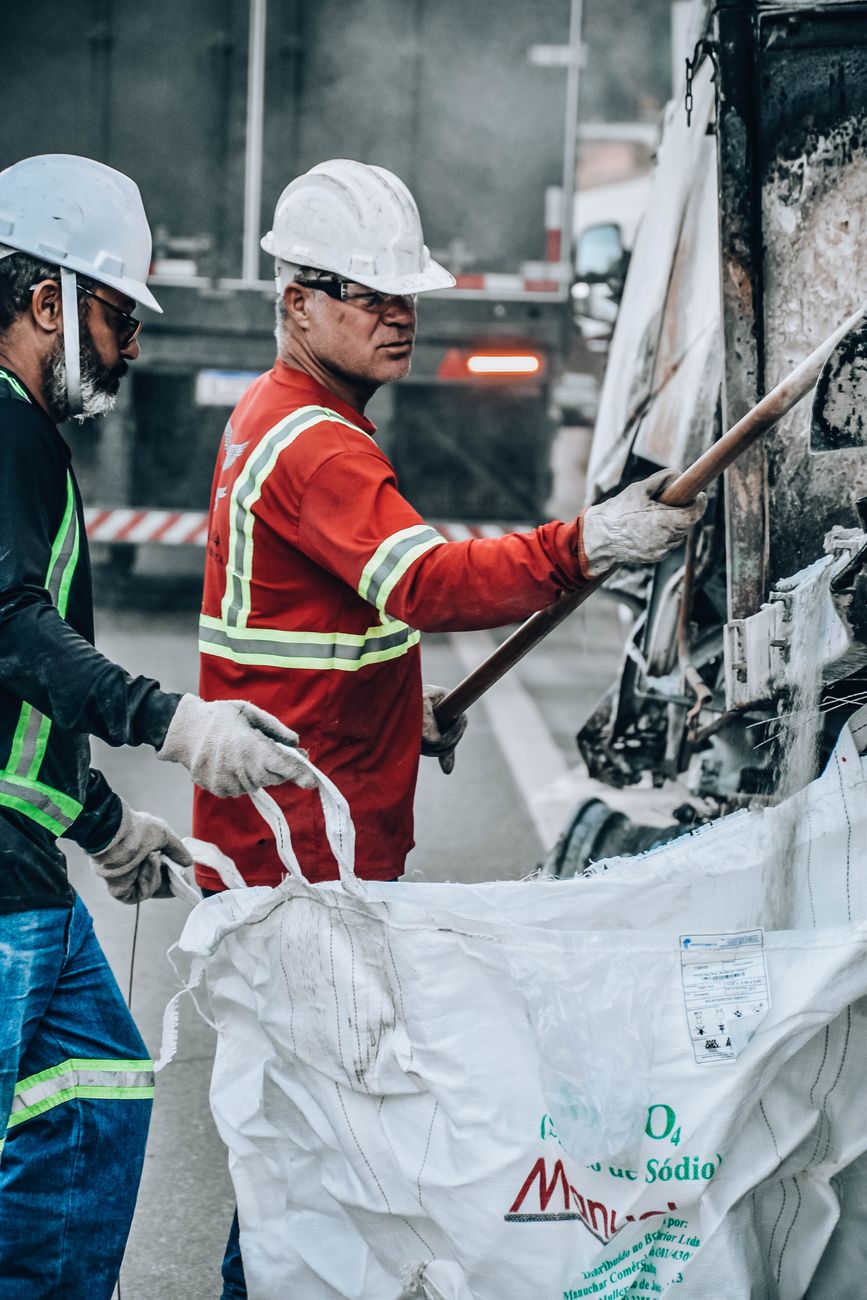
On day three, the dumpster arrived: a low-slung, dented steel box that smelled faintly of motor oil and old rain. It sat on our curb like a monument, reflecting the neon signs across the street. Neighbors peered out their windows; a toddler pressed her face against the glass like it was a display case. The crew — two men in reflective vests and a woman with a shovel tucked like a warrior’s blade — started calling out measurements and weight estimates. ‘No paint cans, no batteries, no hazardous waste,’ one of them reminded us. The list of forbidden items read like a short poem about modern life: no solvents, no asbestos, no tires. We set aside a corner for recyclables: cardboard would be flattened, metal separated, and old appliances scheduled for certified recycling.
Two days into the project, tension rose. A vintage cooling unit we thought could be tossed suddenly revealed a tag stating it contained a regulated refrigerant. ‘That’s a special disposal,’ the crew chief said. We had to pause, call a certified hazardous materials handler, and rearrange the schedule. Time slipped away like coffee down a drain as the neighborhood watched the stalled heap. In Inglewood, a remodeling crew left their dumpster overnight without a permit and came back to find a citation on their windshield — a vivid reminder that in LA, regulations arrive with the sunrise.
Key Insights: What Dumpster Removal Really Looks Like in Greater Los Angeles
Between the setbacks and the small victories, I learned how dumpster removal weaves into the fabric of city life. Here are the lessons that unfolded organically during our project, told through scenes and sounds rather than lists.
Sizing is everything. When the driver parked the 15-yard container in front of Marisol’s shop, he clanged the lid and said, ‘This one fits a kitchen demo or two rooms of drywall.’ A week later, a friend in Santa Monica renting a 10-yard dumpster realized she had under-ordered when her contractor stacked drywall like a paper city. In LA, choosing between 10-, 15-, and 20-yard containers can mean the difference between one smooth pickup and multiple costly overflows.
Permits and placement dictate logistics. In Pasadena, they were particular about curb cuts and visibility for pedestrians; in Burbank, filming schedules required minute-by-minute coordination so a dumpster wouldn’t frame a shot. The permit process can involve temporary no-parking signs, requests for street closures, or even traffic control. A good hauler will know to secure permits from the Los Angeles Department of Transportation or advise if your city — be it Long Beach or Glendale — has its own rules.
Waste classification saves money and the planet. Our crew separated wood from gypsum and metal from mixed refuse. ‘You’d be amazed how much gets salvaged,’ said Rosa, the recycling coordinator, as she pried a copper pipe free from insulation. Appliances that still hummed were set aside for donation or proper e-waste recycling in Hollywood; clean wood went to a reuse center in Torrance. In LA’s zones, where landfill access is squeezed and transfer fees rise, recycling isn’t just virtuous — it’s economical.
Weight limits and safety matter. Each dumpster has a weight threshold; trucks are bound by axle limits and local ordinances. We learned to distribute load evenly, stack sheets flat instead of leaning, and keep heavy items low. ‘A truck can only take so much,’ the driver warned one afternoon, lifting a plank with the ease of someone who’d seen every mistake. Overloading meant surcharges, and on a busy weekend in Downtown LA that could mean paying extra while your project stalled.
Scene: A Long Beach Morning and a Santa Monica Sunset
On a morning drive to Long Beach to return a rental, the smell of the ocean stitched through the car’s open windows. I imagined the city’s long piers as arteries, carrying detritus from home renovations and beachfront restaurants to sorting yards. Later, I took a call from a friend in Santa Monica who’d scheduled a pickup for her patio overhaul. ‘They set it so it doesn’t block the promenade,’ she said, the clatter of cutlery and distant laughter in the background. Even in relaxed beachside towns, dumpster placement had to respect pedestrians, cyclists, and the slow parade of tourists snapping photos of surfers and sun.
Resolution: The Day the Street Exhaled
Back in Los Feliz, the film scouts came, nodded appreciatively at the exposed rafters, and left. The final pickup arrived on an overcast morning that promised rain. The crew worked like a choreography: chains rattled, straps sang, and the hydraulic arms lifted the dumpster onto the truck with a mechanical sigh. Neighbors stepped outside; someone clapped softly. The empty curb looked different now — not just cleaner but like a small stage set for whatever would come next. Marisol, her hair damp with sweat and joy, leaned against the doorway and said, ‘It feels like permission. Like the shop can finally be itself.’ Her voice carried that mixture of exhaustion and triumph that only comes after good, honest work.
The cost of the dumpster, the permit, the extra call to the hazardous materials team — all of it mattered — but what stayed with me was simpler: the city felt more usable. The children could bike through the gap without dodging piles of debris, the landlord could show a clean space to prospective renters, and the coffee shop could be filled with the scent of roasting beans rather than sawdust and old paint.
Takeaway: What to Remember and Do
If you have a renovation, a move, or a cleanup in the Greater Los Angeles Area, treat dumpster removal as part of the craft. Measure the space; know whether you’ll need a permit if the container sits curbside in Santa Monica, Pasadena, or Downtown LA; ask about weight limits and prohibited items; and insist on a plan for recycling and hazardous materials. Choose a hauler familiar with the neighborhoods — from the soundstages of Burbank to the industrial streets of Vernon — because local knowledge saves time and money.
Keep an inventory as you pack. Set aside paints, solvents, and old appliances for special handling. Confirm pickup windows and have a contingency plan; in LA, a sudden shoot, a parade, or even a street festival can change your schedule at a moment’s notice. And finally, think of removal as restoration: when the dumpster leaves, you reclaim space — for business, for play, for life.
Months later, on a Sunday when the light slipped through sycamores and palm fronds in a way that made everything glow, I walked past the coffee shop. The storefront was open, laughter spilled into the street, and inside, Marisol had stacked a shelf of mismatched mugs. The curb where the dumpster had sat was swept and puckered with sunlight. A barista set down a cup and looked out at the street like someone watching an old friend walk away. ‘It’s quiet now,’ she said. Outside, the city carried on — engines, ocean nearby, a radio murmuring — but for that block, the breath was calm. The dumpster had been a brief, noisy visitor, necessary and practical, and its departure left room for something softer: community, clean air, the small miracle of an empty space becoming a place.