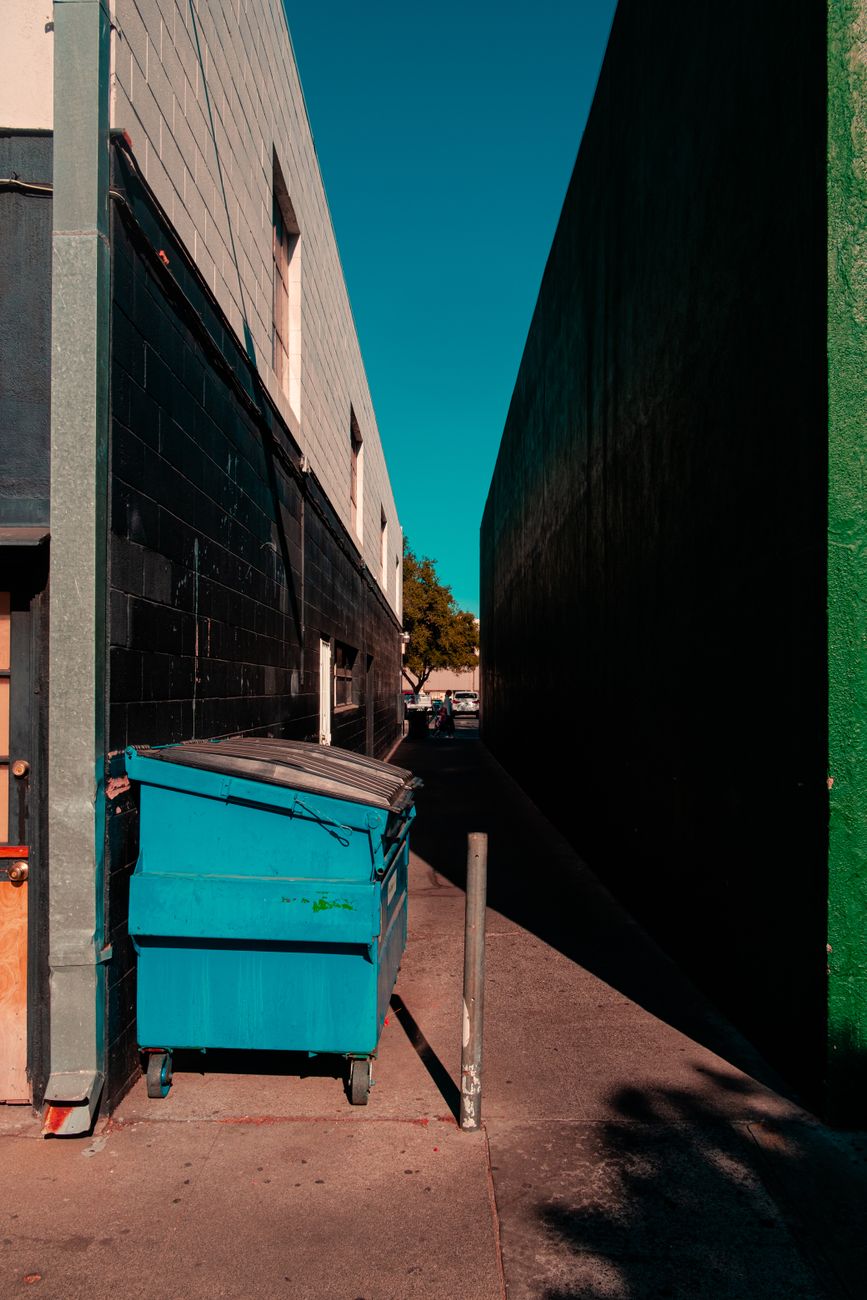
The first sound was a metallic clank that rolled down my block the way thunder rolls across the freeways: abrupt, heavy, impossible to ignore. I stepped outside into the heat—a July kind of heat that makes the palms by the sidewalk shimmer—and watched a pair of men in orange vests wrestle a flat, steel container into place in front of my neighbor’s Craftsman in Echo Park. The smell of diesel and dust rose, a gritty perfume that somehow smelled like change. ‘We’ll be back in two weeks,’ one man said, wiping sweat from his brow. ‘Make sure anything flammable is out.’ It felt like the start of something big, and it was: a small revolution in our neighborhoods, one dumpster at a time.
Setup: Why a Dumpster Became the Neighborhood’s New Centerpiece
When Maria from Pasadena decided to gut her kitchen and add a skylight, she invited chaos to move in. Cabinets came down, tiles snapped under hammers, and the living room held sofas barricaded by piles of drywall. She called three contractors and three dumpster companies before sunrise, imagining the project as a quick, sensible purge. Instead she encountered a maze of choices: what size bin to rent, where to put it on a narrow street lined with Jacarandas, whether to get a street permit from the City of Los Angeles, how to separate recyclables from construction debris, and what to do with old paint cans that whispered the word ‘hazardous.’
Across the region the same story plays out. In Santa Monica a homeowner renovating a beachside bungalow must balance curb regulations and coastal wind. In Beverly Hills, a landscape overhaul requires a discreet, temporarily placed dumpster that won’t offend an HOA. Down in Long Beach, a contractor juggling multiple job sites counts tipping fees and distance to transfer stations. In Glendale and Burbank, older homes with narrow driveways force crews to choreograph forklifts and rolling ramps like dance steps. From Torrance to Malibu, Culver City to Venice, the humble dumpster has become a linchpin in how Angelenos remake their spaces.
Rising Action: Complications, Conversations, and the Art of Placement
There is a choreography to removing large amounts of stuff from a home without alienating neighbors or creating traffic hazards. I watched this in miniature on one stifling afternoon in Hollywood when a delivery truck tried to back a 20-yard roll-off down a street crowded with parked cars. ‘You can’t park there today,’ a neighbor called, her voice thick with annoyance. ‘That’s our curb.’ The driver responded calmly: ‘Ma’am, we’ve got a permit for two days. Move your car or we’ll have to reschedule the drop-off.’ The neighbor huffed, but she moved the vehicle; life in LA often requires small sacrifices when space is at a premium.
Placement matters as much as the dumpster’s size. Placing a 30-yard bin on a narrow Venice alley can block access for emergency vehicles or the neighborhood bicycle delivery folks. In Malibu, a crew once had to negotiate a curving driveway and low-hanging eucalyptus branches to find a spot that wouldn’t scratch a vintage tailgate. In Pasadena, a homeowner needed to coordinate with a nearby church’s Sunday schedule so the bin wouldn’t interfere with a community event. That’s the rising friction—every dumpster is a small negotiation between efficiency and etiquette, speed and safety.
Key Insights: What I Learned About Dumpster Removal in Greater Los Angeles
As the projects multiplied across neighborhoods, practical lessons began to surface. Here are the things I heard again and again, woven into conversations with drivers, homeowners, and city clerks:
Sizes and types matter. Dumpster companies in LA commonly offer 10-, 20-, 30-, and 40-yard roll-off containers. A 10-yard bin is roughly the size of a small pickup truck bed and works for garage cleanouts. A 20-yard is a popular choice for medium renovations, while 30- and 40-yard bins are best for major demolitions or whole-home cleanouts. There are also smaller, ‘driveway-friendly’ containers that distribute weight to protect asphalt.
Permits are not optional when you use public curb space. In the City of Los Angeles you usually need a temporary street use permit or parking permit to place a dumpster on public property. That means scheduling ahead—sometimes a week or more—so signage can be posted and neighbors notified. Municipal rules vary by city: Beverly Hills and Santa Monica have their own permit systems and HOA restrictions, while Long Beach and Torrance each enforce local codes.
Some items are strictly off-limits. Hazardous materials like asbestos, certain batteries, solvents, and pressurized cylinders often cannot go in a standard roll-off. Contractors will tell you: separate paint, oil, and chemicals. Bring household hazardous waste to county collection facilities, or check local events which accept paints and cleaners. Many cities, including Los Angeles and Pasadena, run periodic HHW days for residents.
Recycling and diversion reduce costs and environmental impact. Concrete, brick, wood, and metal can often be sorted for recycling. Some companies will separate loads to reduce tipping fees at landfills. Donating usable items—furniture to Habitat for Humanity ReStore or clothing to Goodwill—keeps perfectly good stuff from becoming landfill fodder.
Weight, not just volume, drives cost. That box of tiles isn’t heavy until you lift it into a bin: then the scale at the transfer station tells a different story. Tipping fees are charged by weight, and overfilling or packing a dumpster with dense materials can result in unexpected surcharges. Drivers will advise: spread heavy items across the bottom and avoid overfilling ‘over the lips’ for safety and compliance.
Timing and scheduling are practical power. Weekends fill up fast in neighborhoods like West Hollywood and Culver City, where homeowners often prefer work when they’re home. If you need a dumpster placed on a Monday morning, reserve it the previous week. Many companies allow a rental period of 7–14 days with extensions available, but extended rentals cost extra.
Resolution: The Day the Streets Quieted Down
In my Echo Park block, the demolition finished sooner than Maria expected. Trucks arrived at dawn; neighbors began to notice a cleaner curb and, gradually, the piles reduced to a neat row of sorted materials. The crew called a local nonprofit to collect a few near-new cabinets and a dresser, and a recycler took the scrap metal. The last truck left at dusk, its taillights disappearing toward Downtown Los Angeles as the silhouette of the skyline melted into the orange-pink of evening.
‘I thought it would be messy forever,’ Maria said, leaning against her newly primed doorframe and inhaling air that finally felt like it belonged to a space instead of to dust. ‘But that dumpster made the chaos manageable. It was like a holding pen for everything I didn’t want anymore.’ Her contractor nodded. ‘And we saved on labor by just having everything in one place. No back-and-forth, no trips to the dump every other day.’ The neighbors even thanked her for arranging a donation pickup; the old bookshelf became someone else’s new start.
Across the city, other stories resolved similarly. In Santa Monica a beachfront homeowner coordinated with their HOA and got a driveway-friendly bin placed with minimal fuss; in Long Beach, an efficient rotation of dumpsters across job sites kept schedules tight and costs down; in Hollywood, a careful permit filing prevented a parking dispute that might have delayed a permit inspection.
Takeaway: What to Remember and What to Do
Dumpster removal in Greater Los Angeles is part logistics, part diplomacy, and part environmental stewardship. The metal cube at the curb is more than a receptacle for junk: it is infrastructure that makes renovation, restoration, and renewal possible. If you’re about to bring one to your neighborhood, keep a few simple rules in mind:
Plan ahead. Reserve the right size, request your permit if needed, and schedule pick-up times that match your project’s flow. Check local city regulations—what works in Torrance may not be identical to rules in West Hollywood or Malibu.
Know what you can and cannot toss. Separate hazardous materials and consider donation or resale for salvageable items. Use city HHW events and nonprofit pick-ups to divert reusable goods.
Communicate. Let neighbors know when a bin will arrive and how long it will stay. That simple courtesy reduces friction and avoids last-minute complaints that can slow your project.
Work with reputable companies. A knowledgeable crew will advise on placement, weight considerations, and how to protect driveways and sidewalks from damage. They will also help you understand tipping fees and any possible surcharges.
Think about the planet. Recycling, donating, and minimizing waste are not just good PR; they’re tangible ways to reduce landfill use and keep Los Angeles greener, cleaner, and more livable.
By sunset that evening, the temporary canyon of construction around Maria’s house had softened. The dumpster was gone, the street swept, and the house stood with a new opening in the roof where a skylight would soon let in morning light. I walked back down the block as the city settled. A light breeze brought with it the faint smell of ocean—a reminder that this massive, sprawling region ties together the ordinary and the dramatic in ways few cities do. We had moved mountains of stuff in days, negotiated permits and parking, sorted waste and donations, and in the end reclaimed the quiet. The clank that began the story was replaced by the soft scrape of a broom and the distant hum of the 101. It felt, in that small moment, exactly like progress: messy, human, and utterly necessary.