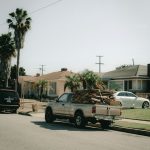
The first sound that morning wasn’t the coffee grinder or the radio—it was a low diesel rumble and the soft scrape of metal against asphalt. Maya stood barefoot on the porch of her Echo Park bungalow and watched a roll-off dumpster lower itself onto the curb, filling the air with the scent of sawdust, old paint, and the citrusy tang of a neighbor’s lemon tree. The city felt alive in that instant: a siren in the distance, a skateboard clattering on the corner, and the dumpster’s heavy door thunking shut like punctuation on a sentence she’d been writing for months.
Setup: The Project and the Players
Maya and her partner Carlos had signed the papers three months earlier for a kitchen that would let them cook for friends instead of takeout. They imagined evenings with a stove full of paella, not a stack of boxes blocking the hallway. What they didn’t anticipate was how quickly demolition produces mountains: cabinets that used to hum with breakfast pots, tile mosaics softened by years, and a century’s worth of calendar-clipped recipes folded into a shoebox. Friends from Glendale, Burbank, and Pasadena dropped by to lend tools; Mei from Santa Monica offered to take gently used fixtures for her Habitat for Humanity drop-off. The dumpster became the project’s heart—the place everything flowed through.
On delivery day the cast included the driver—an older man named Luis with a laugh like gravel—and a dispatcher on the phone trying to reroute another truck stuck on a narrow Venice street. Maya felt suddenly tiny and important at once, clutching a checklist that read: measure space, confirm permit, protect driveway, schedule pickup. It was a simple list that, in Los Angeles, promises adventure.
Rising Action: Narrow Streets, Neighborhood Politics, and a Race Against the Clock
By day two a neighbor from across the street—Mr. Alvarez from Silver Lake—peered over his hedge. “You know you need a permit for street placement around here,” he said, tapping his cigarette ash into a chipped mug. His tone was more civic than accusatory; he loved rules almost as much as he loved spotting rare birds on the embankment.
Maya opened her laptop and clicked through city websites: Los Angeles, Santa Monica, Long Beach, Inglewood—each page a slightly different rhythm. Some neighborhoods required a street-use permit. Some homeowners associations wanted written notice. If the dumpster blocked a driveway or parking spot, that could mean a ticket or even a tow. The thought of a $70 fine or a tow truck slicing through progress felt like a sudden cliff in the middle of a stairway.