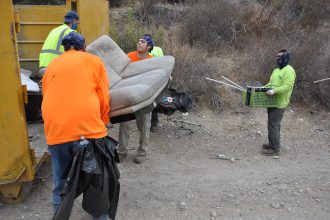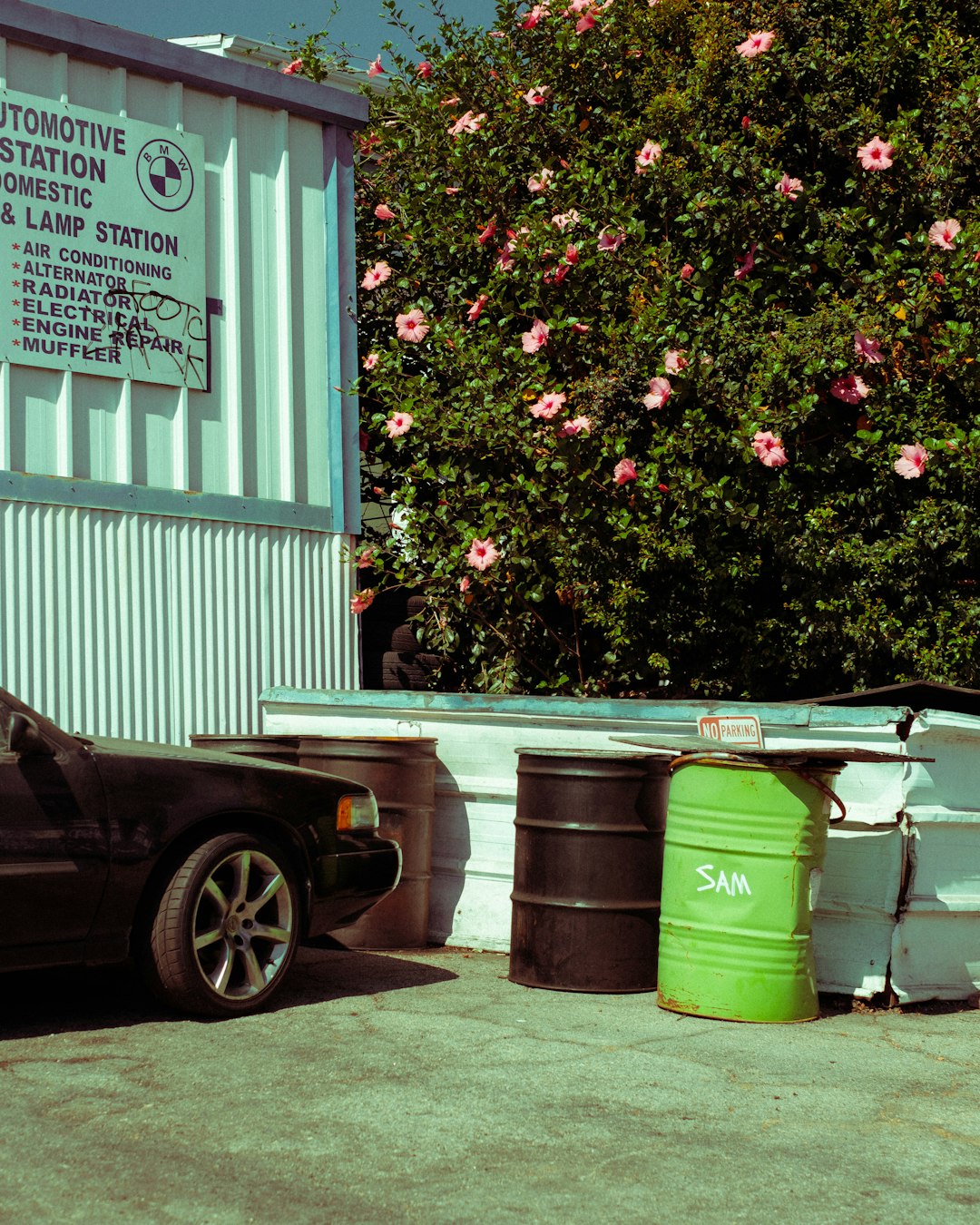
The dumpster arrived at dawn, a hulking metal rectangle that seemed too indifferent to the drama of the neighborhood. Maria, still in her apron, watched from the kitchen window as the sun slid over the hills of Echo Park, painting the facades of Craftsman bungalows in honeyed light. The rumble of the truck was a promise and a problem: by sundown the backyard would be cleared for the party, but there were permits to sort, neighbors to calm, and a stubborn pile of things that smelled like old summers and new beginnings.
Setup: A City of Streets and Stories
Greater Los Angeles is a mosaic of neighborhoods—Santa Monica’s ocean air, Long Beach’s harbor clang, Pasadena’s shaded boulevards, the tight alleys of Silver Lake. For people like Maria in Echo Park or Jamal in Inglewood, a home renovation or clean-out often starts with the same practical question: what do you do with the debris? Dumpster removal becomes less of an afterthought and more of a central character.
Maria’s story began with a leaking roof and a decision to replace decades of weathered shingles, rotten plywood, and an attic eviction of decades of old holiday decor. Her contractor recommended a roll-off dumpster for the fast turnover, and she found herself calling three companies in the Valley—Burbank, North Hollywood, and North Long Beach—comparing sizes, prices, and pickup windows.
Meanwhile, on a beachfront bungalow in Santa Monica, Tamiko was preparing for a kitchen demo before a summer rental season. She had to coordinate city permits, check weight limits, and decide what could be donated to a local ReStore. In Torrance, a small furniture shop was clearing out after a fire and faced the dilemma of hazardous ash mixed with furniture.
Rising Action: Traffic, Permits, and the Human Element
On the third morning, as maria’s mattress waited on the porch and the crew spread tarps over the lawn, Rafael, the hauler, climbed down from the cab and surveyed the scene. The truck’s diesel tasted faintly sweet in the air. A neighbor, Mr. Cortez, leaned over the fence.
‘You sure about that size? That looks huge,’ he said.
‘It’s a 20-yard,’ Rafael answered, wiping his hands. ‘It’ll fit most residential jobs. But we’ll aim for the driveway so we don’t need a street permit.’ He nodded toward the alley, the path where many LA crews work—tight, gritty, and full of stories.
The tension wasn’t simply the dumpster’s bulk. In Los Angeles County, rules change from city to city. Some municipalities require a permit when a dumpster sits on public right-of-way—think Hollywood’s narrow streets or the commercial stretches of Downtown LA—while many homeowners in Glendale or Pasadena can keep a roll-off in their driveway without extra paperwork. Parking, traffic flow, and even historic district rules come into play. A misplaced dumpster can mean tickets, tow-away notices, or neighbor complaints.
Rafael’s truck creaked into place. The hydraulic arm lowered the dumpster with a metallic sigh. Nearby, an elderly neighbor on the porch of a Craftsman began to tell a story about how the same alley once hosted a WPA mural and neighborhood block parties. These are the little human currents that intersect with waste management: memories folded into couches, a child’s drawing tucked into an old dresser, a lamp that once warmed a living room on a foggy winter night.
Key Insights Woven into the Story
As the crew worked, Rafael peppered Maria with practical advice. He spoke of sizes the way some people talk about cars: 10-yard dumpsters for small cleanouts and bathroom remodels, 20-yard dumpsters—like the one outside Maria’s house—for medium home renovations, 30- and 40-yard containers for major construction projects and demo work. ‘Measure the doorway, check the driveway,’ he said. ‘You’d be surprised how often we have to shuffle things because the dumpster won’t fit.’ He explained the difference between a roll-off dumpster and a front-load container and why a commercial project in Downtown LA might need a different setup than a house in Culver City.
Weight, Rafael continued, can make or break a job. A full dumpster of concrete or tile is heavier than one filled with old drywall. Some companies charge per ton, and overweight fees can surprise an unsuspecting homeowner. ‘If you’re doing hardscape or tile demo, separate the rubble if you can. Some haulers will split that into a different load and save you money,’ he advised.
Recycling and disposal rules surfaced naturally in conversation. Maria learned that in Los Angeles, separation of green waste and some construction materials is encouraged—and sometimes required. Tamiko from Santa Monica had to separate countertop chemicals and old paint for hazardous waste collection. Rafael pointed to the manifest he carried in the truck: a record of where the load would go, whether it was bound for a transfer station near Carson or to a landfill further afield. He emphasized that responsible haulers provide receipts and manifests, and that saving those documents can be important for contractors who need proof that materials were disposed of properly.
‘And electronics,’ Rafael added, ‘don’t go in the bin. E-waste needs special handling. Drop it at a certified recycler or a household hazardous waste center. LA County and many cities like Long Beach and Pasadena have scheduled collection events or designated centers for this.’ The mention of e-waste made Maria think of an old TV humming in the garage and a box of cords that had been living under the stairs for years.
Practical Choices and Community Considerations
Across town in Venice, a creative’s studio clean-out meant donating gently used furniture to nearby nonprofits. In Santa Monica, where tourists mix with tight-knit residential blocks, timing the dumpster delivery to avoid weekends and beach traffic mattered. In the industrial pockets of Carson or the port-adjacent streets of Wilmington, larger roll-offs and different weight concerns came into play.
To keep the peace with neighbors, Rafael suggested simple etiquette: place the dumpster where it blocks the fewest cars, cover the load at night to prevent wind-blown debris, and communicate the schedule. ‘People appreciate a heads-up,’ he said. ‘A text the day before, a note on the fence—small things.’ He also recommended checking whether a city block requires cones or a temporary no-parking notice so empty space is available for the truck during pickup and drop-off. Some neighborhoods around Beverly Hills and West Hollywood have strict curb regulations, while others in the San Fernando Valley are more forgiving.
On the legality side, Rafael mentioned that certain items are universally prohibited from standard dumpsters: asbestos, lead-based paints removed in a way that creates hazardous dust, gasoline, oil, certain chemicals, and biological waste. For these, certified removal companies or specialized disposal channels are necessary. For mattresses, white goods, and appliances, haulers often have extra fees because those items require separate handling or recycling at approved facilities.
Resolution: The Sundown Clean-Up
By late afternoon, the crew had transformed the backyard. The piles that had seemed like a mountain were compacted into a tidy rectangle. Maria’s neighbors, drawn out by the rhythm of the work—the thud of wood against metal, the hiss of the hydraulic lift—offered compliments and shared renovation tips. The smell of sawdust mixed with jasmine on the evening air. Rafael handed Maria a receipt, a plain paper proof of a day’s honest work, and gave her a tip about donating gently used doors and fixtures to a ReStore in Pasadena.
‘We take care to keep things clean and legal,’ he said, patting the truck’s fender. ‘You want to sleep easy at night knowing the debris went where it should.’ Maria felt that small assurance like a weight lifted.
Across the city, Tamiko’s kitchen demo unfolded on schedule because her hauler had advised her about the Santa Monica coastal overlay and waste sorting requirements. A small business in Torrance completed its clearance with a specialized contractor who handled ash and hazardous byproducts. In Long Beach, a landlord avoided a citation after he learned to secure the proper street permit before the dumpster arrived.
Takeaway: What to Remember and Do
When you face a clean-out or renovation in Greater Los Angeles, the story above has practical beats you can follow. First, size matters: choose a dumpster not by eye but by estimating cubic yards based on your project. Second, check permits and local rules—what’s legal on a quiet Echo Park alley might differ from requirements in Beverly Hills or Santa Monica. Third, separate materials: recycle when possible, donate what is reusable, and set aside hazardous items for special handling. Fourth, ask for manifests and receipts, and get weight estimates to avoid surprise fees. Finally, treat your neighbors and the public right-of-way with respect—communication and simple precautions solve more disputes than rules ever could.
For Maria, the payoff wasn’t only a clean backyard ready for a party but a renewed sense of belonging to a city where stories and services intersect. Rafael’s truck left at dusk, the metal rectangle rolling away like a punctuation mark. The street settled; someone clapped from a porch; the smell of cooking drifted through the lane. The bins had taken more than trash—they’d carried off the tangible residue of decisions, endings, and fresh starts.
In Greater Los Angeles, dumpster removal is more than logistics. It’s about planning around unique neighborhoods, respecting local ordinances, and making choices that help a project—and a community—move forward. Keep a list, call reputable companies, and remember the small human details: a neighbor’s story, a hauler’s advice, a receipt tucked into a kitchen drawer. The city keeps turning, and at the end of the day, when the last truck’s taillights wink in the dusk, there’s a clean space ready for the next chapter.
As Maria closed her gates that evening, the skyline glowed with a soft, orange afterburn. The party lights would go up tomorrow, but tonight she stood on her porch, hands in her pockets, listening to the distant hum of the 101 and the faint crash of the ocean somewhere beyond. The dumpster was gone. The house smelled of lemon cleaner and possibility.