The noise started like any other Los Angeles morning: a distant honk on the 101, a delivery truck braking at the corner, the steady thunk of a skateboard on cracked concrete. But when Maria opened her front gate in Highland Park and smelled something sweet, then sour, she knew it was more than city traffic. Piles of what had been her grandmother’s life—old dressers, a battered piano bench, boxes of yellowed photos—stared back at her from the driveway, and the house suddenly felt two sizes too small.
Setup: When a House Becomes an Archive
Her grandmother’s name was Rosa, and the inherited house in Highland Park had been a museum of family birthdays, incense and careful thrift. Maria stood barefoot on sun-warmed concrete, feeling splinters of memory in the soles of her feet. Neighbors peered from porches; a dog barked. Maria dialed a number she’d tucked into her phone months ago: Tony at Pacific Roll-Offs, someone her cousin used after a kitchen demo in Burbank.
“We can get a 20-yard out there tomorrow, maybe today if the route clears,” Tony said, voice calm but brisk. “Will that fit a piano?”
“It has to,” Maria whispered. “And we need the driveway protected. My grandmother’s roses are right there.”
“We bring plywood. We cover tires. We call ahead for the curb permit if it goes on the street. Where exactly?”
“Highland Park, near the Arroyo, but if you can swing down to Echo Park after, there’s a community clean-up at Echo Park Lake. They’ve got beach litter coming up from the coast.”
Rising Action: The Route Across the City
Tony’s truck arrived with a hiss of hydraulics and the smell of diesel, metal bright as a belt buckle in the sunlight. The dumpster lowered like a small island, black and businesslike. The plywood felt cool underfoot; the crew wore gloves and soft-soled shoes to avoid scuffing the concrete. For Maria, the sight was both relief and grief. Every item she carried down to the bin held a story. A faded towel from a childhood beach trip in Long Beach, a stack of postcards from a 1958 trip to Santa Monica, a clay pot her grandmother had planted jasmine in that still smelled faintly of summers in Boyle Heights.
“Don’t toss the albums,” her cousin Javier said, lifting a box carefully. “Photos first. Then the books.”
“We’ll bag the broken glass separately,” Tony added. “And remember, no paints or chemicals in the dumpster. Those go to the local HHW drop-off.”
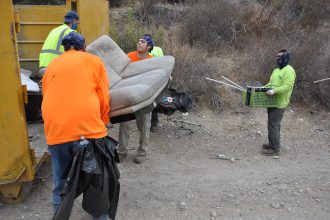
They worked in a rhythm that afternoon: lift, reflect, decide. The sun crossed over, and with it came a text from the Echo Park organizer asking if they could rent an extra 10-yard for beach debris that an afternoon of wind had dragged in from Venice. Maria called Tony. Soon he was juggling pickups: Highland Park, then Echo Park, then a scheduled drop for a home renovation in Glendale the next morning and a film set strike-out in Burbank the day after. In Los Angeles, dumpster logistics were as intricate as the city’s traffic patterns.
Key Insights: What I Learned While Emptying a Life
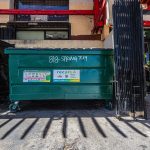
While the crew sorted and stacked, Tony shared more than just handling tips. He explained dumpster sizes as if naming tools in a craftsman’s kit. “Ten-yard dumpsters are great for small cleanouts—a garage, a small remodel,” he said, tapping the rim with a gloved hand. “Twenty-yard is the go-to for most household clear-outs and small renovations. Thirty to forty yards? That’s for full demolitions and big construction.”
He showed her the yellow permit tucked into the truck’s visor. “In LA, if we put the roll-off on the street, we need a permit from the city. Santa Monica, Beverly Hills and West Hollywood can be particular. Sometimes HOAs in places like Pasadena or Beverly Hills have rules too. It’s not just about parking; it’s about protecting sidewalks and keeping emergency access clear.”
Maria learned about weight limits the hard way when a neighbor in Torrance once asked why he owed more than his estimate. “You get a base weight included,” Tony explained. “If the load goes over the tonnage included, it’s extra. Concrete, soil, and tile add weight fast. Metals are heavy too, but some things we can recycle and that offsets costs at metal yards or transfer stations.”
They talked about hazardous wastes and county services. “Paint, solvents, motor oil, batteries, and asbestos don’t go in these bins,” Tony said. “LA County and cities like Long Beach and Anaheim run household hazardous waste drop-offs or scheduled collection events. For everything else? We sort, recycle where possible, and take the rest to transfer stations.”
These were practicalities Maria hadn’t considered: how permits could delay a placement if a street permit was needed during a weekly farmer’s market in Culver City; how rainy season meant muddy driveways in Norwalk and El Monte required extra driveway protection; how big events at the Hollywood Bowl or the Coliseum could change routes mid-job. Each detail was a seam in a larger fabric, stitching together the city’s needs with her own.
Scene: A Community Pulls Together
The next morning, while the city woke to a haze over the hills, Maria drove to Echo Park with a trailer full of sorted recyclables. Volunteers gathered: college students with sunburned noses from beach cleanups in Santa Monica, retirees from Glendale armed with gardening clippers, a small crew from an events company in Inglewood who’d finished tear-down and donated their materials.
“We’ve got a special rate for nonprofits,” Tony had said the day before, jotting a lower figure on a receipt. “Tell them to call me and I’ll do my best.”
They positioned two dumpsters at the edge of the park with permits visible, the yellow tags fluttering like flags. The city inspector gave a nod. Someone played a guitar. Sweat and laughter mingled with the scents of barbecued coffee and jasmine. A little boy, sticky with shaved ice, ran up and hugged Maria, saying, “Thanks for cleaning the lake,” as if she had performed a small miracle. She thought of her grandmother’s hands, always offering, always full of warmth. The work felt suddenly bigger than clearing a house; it was about making space for new memories.
Practical Tips Woven into the Day
Between loads, Tony shared quick practical advice that had helped him for years: measure your access before booking a roll-off, especially in older neighborhoods like Burbank and Glendale where alleys are narrow; ask for driveway protection if the dumpster will sit on concrete or pavers; get a written quote that includes weight allowances, rental days, and potential fees for overage, pickups, and long-haul disposal; and if time is tight, ask for same-day or next-day delivery but expect a premium during peak construction months.
He also recommended recycling stations and donation centers: Habitat for Humanity ReStore takes cabinets and fixtures in some areas; metal yards in Carson and Downey accept clean metal for cash; specialized drop-offs in LA County take household hazardous waste. “People assume everything goes to a landfill,” he said. “But a surprising amount gets diverted. Concrete gets crushed and reused. Yard waste becomes mulch. Metals get melted down.”
Resolution: The Last Box, the First Breath
The final box slid into the dumpster like a full stop. Maria stood with her cousin at the edge of the circumference of black metal, smelling the faint diesel as the sun dropped toward the Palos Verdes hills. The piano bench had been painted, sanded, then lifted into the truck by two men who hummed a song both silly and real. Maria’s phone buzzed with messages of thanks from neighbors who’d watched the house transform over two long days.
“You did good, Mija,” her cousin said, voice thick. “Rosa would be proud.”
“She would have wanted us to keep the recipes,” Maria replied, smiling through a sudden wetness in her eyes. “And the postcards, remember?”
They laughed. The dumpster driver locked the bin’s chain, and Tony handed Maria a final receipt that listed what was going where: metals to Carson, green waste to a certified composting facility, household goods to a nonprofit, and nonrecyclable construction debris to a transfer station in Long Beach. Everything had a destination, a next breath.
Takeaway: What to Remember and Do
If you find yourself in Maria’s shoes, clearing a loved one’s house, renovating a kitchen in Culver City, or organizing a shoreline cleanup from Santa Monica to Long Beach, remember these essentials: pick the right dumpster size for your job, ask about permits if the unit will sit on public property, protect your driveway with plywood, separate hazardous materials and batteries for proper disposal, and get a written quote that lays out rental days, included weight, and potential fees. Book early during busy months and ask companies about donation options and recycling practices to reduce landfill impact.
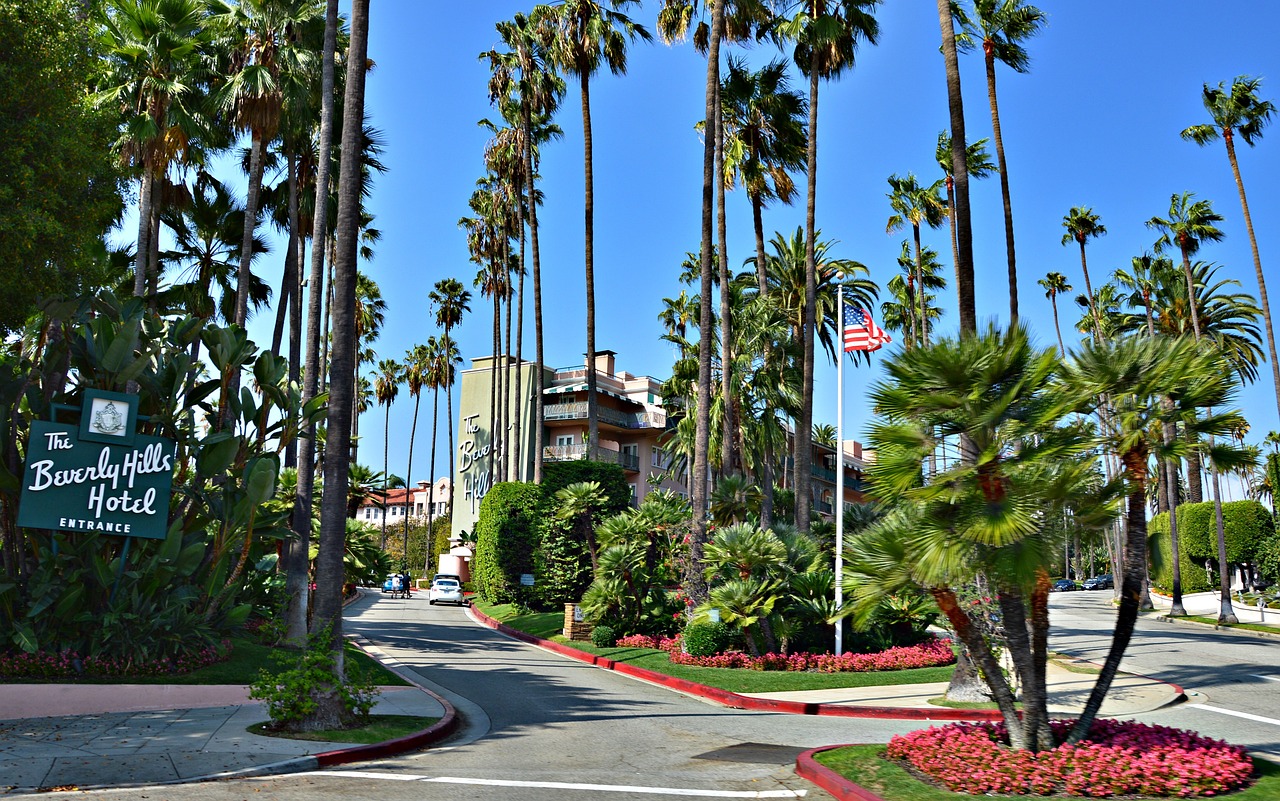
Above all, let the work be more than waste removal. Treat it like an act of care—for a house, a neighborhood, the ocean—and for the people who will inherit the spaces you leave cleaner. When the truck rolled away from Maria’s house, evening light spilled across the palm-lined street. The bins were gone; the roses stood untrampled. The house felt empty and full at once—a place ready for new laughter, new postcards, and a fresh scent of jasmine that seemed to promise more afternoons, not fewer.
On the freeway, the dumpster trucks threaded across the city like small, determined boats, making their way toward Glendale, Burbank, Anaheim, and beyond, each stop a tiny resolution in a city that rarely stops moving. Maria watched them go, feeling the weight of a life lifted and the sudden, surprising lightness of space.
She walked up the path, touched the rose bush, and for a moment the whole city felt contained: the ocean to the west, the mountains to the north, the endless stretch of neighborhoods stitched together by alleys and permits and the sound of hydraulic lifts. Somewhere between the Pacific breeze and the hum of the 405, she understood that removing what we no longer need makes room for what we have yet to imagine.