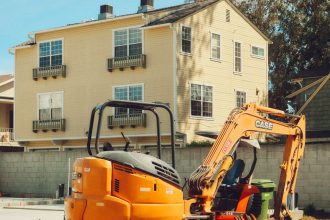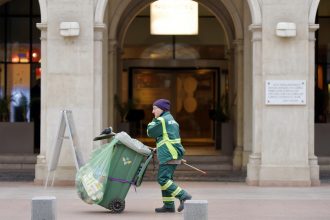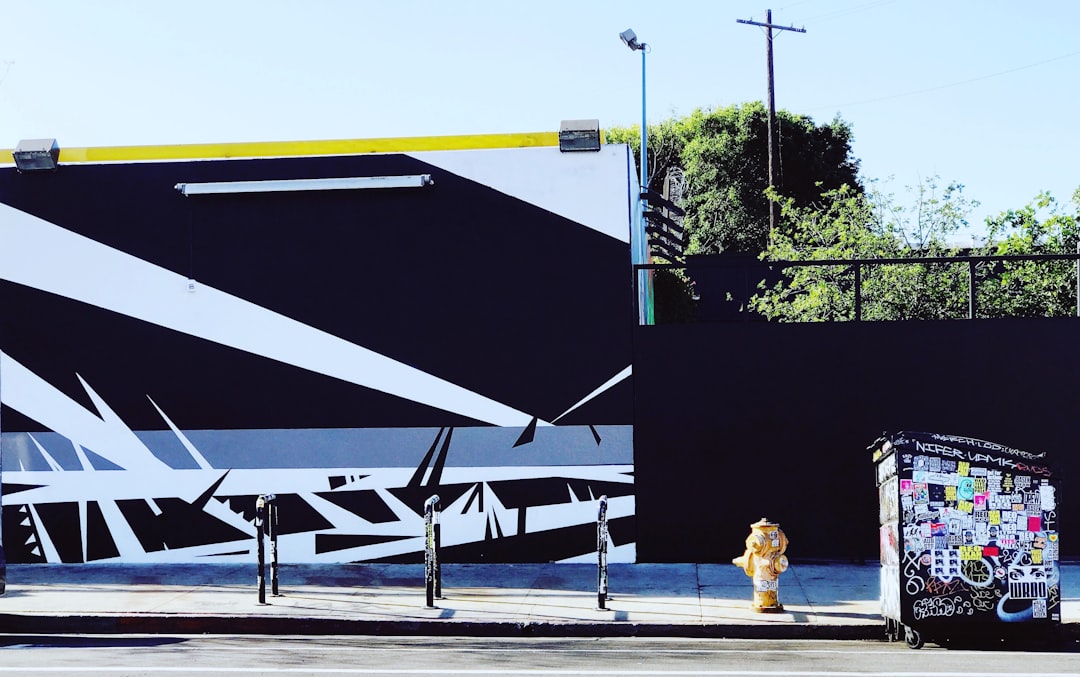
On a sticky June morning, with the sun already baking the asphalt and a gull’s cry drifting inland from Santa Monica, I watched a battered old couch disappear into the yawning mouth of a roll-off dumpster. The truck’s engine hummed like a tired insect; the smell of hot rubber and coffee lingered in the air. For a moment it felt like more than trash being hauled away—it was memory, a chapter closing in a Hollywood Hills bungalow and a small victory for a family in Echo Park.
Setting the Scene: Why a Dumpster Matters in L.A.
Los Angeles moves in big gestures. Houses are reimagined overnight in Silver Lake. Garages in Burbank become home studios. A kitchen renovation in Pasadena can ripple into a block party. But all of those changes create bulk—old cabinets, drywall, soil from backyard landscaping, roofing shingles shedding from a Torrance bungalow. Dumpster removal isn’t glamorous. It’s the practical backbone of reinvention in a sprawling metropolis that stretches from Malibu’s cliffs to the port towers of Long Beach.
That morning the cast of characters assembled like a neighborhood play: Rosa, a homeowner in Culver City who was gutting her 1950s kitchen; Jamal, a contractor from Inglewood whose crew moved with the efficient patience of people used to late permits and tight alleys; and Mei, a city planner friend who loved details and hated fly-tipping. “We can’t let the alley turn into a dump,” she said, frowning, as if speaking to a long-standing injustice. “Permit it right, and it’ll be fine.”
Rising Action: The Dumpster Dilemma
It began simply: a renovation, a donation drop-off, a call to a local dumpster service. The complication came in waves. Rosa’s driveway was too narrow for a 20-yard roll-off; the city required a street permit for placement on Venice Boulevard; neighbors in West Hollywood worried about blocking evening parking. Then there was the question of what to put in the bin. A stack of treated lumber, a handful of old tires from a garage clear-out in Glendale, a half-empty can of oil—each item had the potential to become a regulatory headache.
Jamal rubbed his forehead. “We can do a 15-yard out front, but we need it for two weeks. And if we overload it, we get charged. Tell me where the heavy stuff is so we can distribute it.” He spoke in practical bursts—weight distribution, compacting, the risk of hidden asbestos in 1950s insulation. I listened to the list like I was learning a new language: roll-off, front-load, transfer station, diversion rate.
Sensory details stitched themselves through the debate. A child’s skateboard squeaked in the driveway. A neighbor from Echo Park walked his dog and sniffed the breeze full of frying oil from a nearby taco stand. The dumpster sat like a black cube of promise on the curb, its paint peeling, a sticker from a local hauler in Long Beach fluttering in the breeze.
Key Insights Woven into the Story
As the team worked, practical lessons about dumpster removal in Greater Los Angeles revealed themselves naturally, embedded in the decisions they made.
Sizes and types: “For a small remodel, a 10- or 15-yard dumpster does the trick,” Jamal explained as he measured with a tape. “20 to 30 yards are for full-room demos or yard jobs. If you’re clearing out a garage in Burbank or moving a whole household in Pasadena, think 30 to 40 yards.” He tapped the side of the container where sediment of plaster and paint dust had dried into a faint map.
Permits and location: Mei chimed in with a clipboard of experience. “If it’s on any public street in LA—Los Angeles city proper, Santa Monica, or West Hollywood—you’ll likely need a permit from the department of transportation or public works. In Malibu, environmental restrictions can make it trickier near protected wetlands. And in Inglewood or South LA, you might need to coordinate with parking enforcement for a temporary no-parking sign.” Her voice had the calm of someone who had negotiated more than one homeowners’ association meeting.
Pricing and timing: “Prices vary,” Jamal said. “You can expect a 10-yard to start around a few hundred dollars and a 20-yard in the mid-hundreds to low thousands depending on weight and distance to the landfill or transfer station. Weekend deliveries cost more. Book early if you want it before a big project.” He scribbled estimated ranges on the back of an old receipt—practical, not precise.
Prohibited items and environmental responsibility: Rosa held up a paint can. “What about this?” she asked. Mei took the can and read the label. “Latex is usually okay if dry, but oil-based paints, solvents, batteries, and anything with asbestos or PCB must go to a hazardous waste facility. In LA County, they have scheduled drop-off days, and some private haulers offer hazardous handling for an extra fee.” The team sorted: donate usable items to a local Goodwill in Boyle Heights or Habitat for Humanity ReStore in Northridge, recycle metals at a Long Beach scrapyard, and bag green waste separately to be composted.
Access and logistics: Narrow alleys in Venice demanded a smaller dumpster. A multi-story walk-up in Hollywood required crew members to carry debris downstairs. “Protect the driveway with plywood so the dumpster chains don’t gouge concrete,” Jamal advised, imagining the garage door scraping open. The crew lined the path with plywood boards, the way a painter lays drop cloths before a masterpiece.
Moments of Human Connection
Between the practicalities, the project became about people. Rosa revealed she was downsizing to be closer to her daughter in Pasadena. “This couch slept three of my grandchildren when they were little,” she said, voice soft. Jamal shared a story about his uncle teaching him how to fold drywall and the pride of finishing a room. Mei recalled nights at City Hall arguing for better diversion rates so more construction waste could be recycled.
Neighbors stopped by like curious characters in a neighborhood tableau. An elderly man from Burbank, who kept a rosemary plant on his stoop, offered coffee and stories about the street’s changes over decades. “Used to be orchards here,” he said, eyes crinkling. “Now it’s renovations and one-way streets. But at least the kids still ride bikes in the evening.” Each person left with a sense of having participated in a small civic act: clearing the clutter that accumulates where life gets lived.
Resolution: The Day the Dumpster Left
By late afternoon the dumpster was half-full, lids askew like a satisfied beast. The crew had stacked heavy items evenly, broken down pallet wood, bundled the drywall, and set aside a pile for recycling. Mei made a final check of permit paperwork, crowding details into a small leather folder. Rosa walked the perimeter, touching the edge of the plywood as if feeling the difference between before and after.
When the truck returned to haul the dumpster away, the neighborhood seemed to exhale. The hydraulic arms lifted, and the black cube tilted back into the truck’s hold. There was a metallic shudder, a hiss of pneumatics, and then a long, rolling start as the vehicle turned south toward the 10 freeway. A gull wheeled overhead, and the pizza place on the corner flipped on its neon sign like a punctuation mark.
As the truck disappeared down the boulevard, Rosa smiled. “It doesn’t look like much,” she said, “but my kitchen will finally get counters.” Mei laughed. “And the alley won’t smell like an old storage unit anymore.” Jamal made a note in his phone to follow up on the transfer station ticket and weight receipt—practical closure to a day of small triumphs.
Takeaway: What to Remember and Do
Dumpster removal in Greater Los Angeles is more than hauling away junk; it’s a choreography between city rules, environmental responsibility, logistics, and human stories. If you’re planning a cleanup or renovation, remember a few essentials the crew lived by that day:
- Choose the right size: 10–15 yards for small remodels and cleanouts; 20–40 yards for larger demo and construction.
- Check permits early: In Los Angeles, Santa Monica, West Hollywood, and other municipalities, street placement often requires permits and temporary parking enforcement.
- Plan for weight: Overage fees can add up. Spread heavy items and break down bulky materials.
- Know what’s prohibited: Hazardous waste, certain chemicals, and asbestos require special handling and can’t go in a standard roll-off.
- Think green: Donate, recycle, and use transfer stations and recycling centers in Long Beach or San Gabriel Valley to increase diversion.
- Book ahead: Weekend slots and peak renovation seasons fill up fast, so reserve your dumpster early.
When the last piece of plywood was picked up that evening, the street looked ordinary—sunset cutting slanted shadows across a storefront in Silver Lake, a bus grinding to a stop on Sunset—but ordinary in Los Angeles is built on a thousand small decisions. Dumpster removal is one of them: quietly practical, sometimes messy, always necessary for the city to remake itself.
Rosa closed her front door and inhaled the cleaner air of possibility. A neighbor called, “Can’t wait to see the new counters!” and she laughed. The image of the dumpster rolling away under a sky made glassy by the day’s heat stayed with me—an ordinary machine performing a small act of civic care, making room for a new chapter to take shape in a city that reinvents itself every day.
Photorealistic vision: a battered but serviceable roll-off dumpster being lifted onto a truck at golden hour, palm trees and a distant glimpse of the Hollywood sign or Santa Monica pier in the background, neighborhood characters watching—a snapshot of Los Angeles in motion.