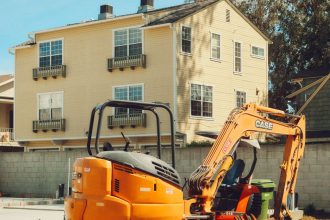
When Maria first heard the rumble down the block, she thought it was another food truck—until a hulking, olive-green roll-off dumpster squealed to a stop in front of her bungalow in Echo Park and a crew of three climbed out like some urban salvage orchestra. “You called for a 20-yard, right?” the driver barked, his voice carrying across the morning fog that smelled faintly of coffee and wet eucalyptus. Maria felt a strange flutter—part dread, part exhilaration—as she watched men in high-visibility vests and steel-toed boots begin to flatten boxes and stack centuries of family detritus into that cavernous mouth. This was more than junk removal; it was a household exhale.
Setup: Streets, Characters, and the City
The Greater Los Angeles area is a collage of neighborhoods that could each tell a different story about clutter: a film set in Burbank buried under plywood and drywall, a mid-century renovation in Pasadena with its halo of dust, a beachfront condo in Santa Monica with salt-stiffened timber from a balcony demolition. Our main characters are ordinary—a homeowner, a small contractor, a dumpster driver—but their days intersect in alleys, driveways, and curbside patches bounded by palm trees, bougainvillea, and the constant hum of the 405.
Inglewood’s mornings open with the clack of delivery trucks and the distant din of stadium construction; Venice smells of sea salt and sunblock; Glendale’s residential streets hold the whisper of neighborhood watch conversations. Each place shapes the logistics of dumpster removal: narrow streets in Silver Lake force smaller bins, while the wide industrial lots of Torrance make space for 40-yard monsters. And in Los Angeles, where local rules are as varied as taco trucks, a dumpster job can feel like both a practical transaction and a neighborhood performance.
Rising Action: Permits, Packing, and the Tension of Timing
“We need a permit for that?” Maria asked, watching a crew member unfurl a permit placard and secure it to the curb with a neat strip of laminated paper. The driver nodded. “Any time you block a public right-of-way—parking lane, sidewalk—you need a street permit from LADOT. If we’re on private property, sometimes it’s your HOA, sometimes the city. It depends.” His fingers were grease-stained but precise.
Tension builds in the small details. The crew needed to know whether the load was mixed construction debris or mostly green waste; the difference could mean a redirect from Sunshine Canyon to a recycling transfer station or trigger an illegal dumping fine. Maria’s sister, on the phone from Santa Monica, warned about coastal restrictions: “You’ll need the load tarped for the freeway run, and don’t forget the wet-sand rule if you’re hauling concrete. Last month a neighbor got fined for not covering his load to the Long Beach transfer yard.”
Timing is another stakeholder. Contractors in Hollywood often book dumpsters for tight one-day strikes between shoot schedules. Homeowners in Culver City prefer weekend roll-off arrivals to spare workweeks. Dumpster trucks arrive, pause, and then perform the choreography of lowering the bin, setting stabilizers, and adjusting chains. For the homeowner, every minute is a beat in the suspense of transformation: will the crew fit everything? Will the load exceed weight limits? Will the HOA complain?
Key Insights: What Every Angeleno Should Know
As debris rattled into the metal belly and the sound of ceramic shards reminded Maria of an entire life of broken dishes, the driver shared the practical rules that everyone in LA learns the hard way:
- Dumpster sizes matter: 10-, 15-, 20-, 30-, and 40-yard roll-offs are common. A small kitchen remodel might need a 10- to 15-yard; a full-house cleanout often requires 20- to 30-yard containers. Film sets and commercial demolitions sometimes call for 40-yarders.
- Weight limits and overage fees: Most rentals include a weight allowance (1–2 tons for smaller bins, more for larger ones). Exceed the limit and you pay per ton. Concrete, brick, and dirt are heavy—expect higher fees if your job leans on demolition.
- Permits and placement: If the dumpster sits on the street, you need a permit from LADOT. In West Hollywood or Beverly Hills, additional HOA or neighborhood signage rules might apply. Alley placements demand careful measurements—width, overhead wires, and fire lane access.
- Prohibited materials: Hazardous waste—paints, solvents, asbestos, certain batteries, electronics, tires—often cannot go in roll-offs. LA County hosts Household Hazardous Waste collection events and permanent facilities for safe disposal.
- Recycling and diversion: Los Angeles pushes for landfill diversion. Many companies sort loads at transfer stations like Athens Services or Sunshine Canyon to pull out clean wood, metal, and cardboard for recycling.
- Scheduling and turnaround: Popular windows are early mornings to avoid rush hour. Same-day delivery is available from many local firms, but weekend drop-offs require planning—city offices may be closed for permits.
“We sort as we go whenever we can,” the driver said. “Saves the customer money and keeps the city happy. About half of what we haul from remodels gets recycled—metals, clean lumber, and cardboard. The rest heads to the transfer station.”
Scene: A Lesson in Loading and Local Color
By noon, the sun had softened the street into a syrup of light. A neighbor in a white Chevy rolled down his window. “Need help?” he offered, holding a bag of compost. Maria hesitated, then handed over a sack of sodden soil and old planters. Together, they learned a simple rule: load evenly. “When you throw everything in one corner,