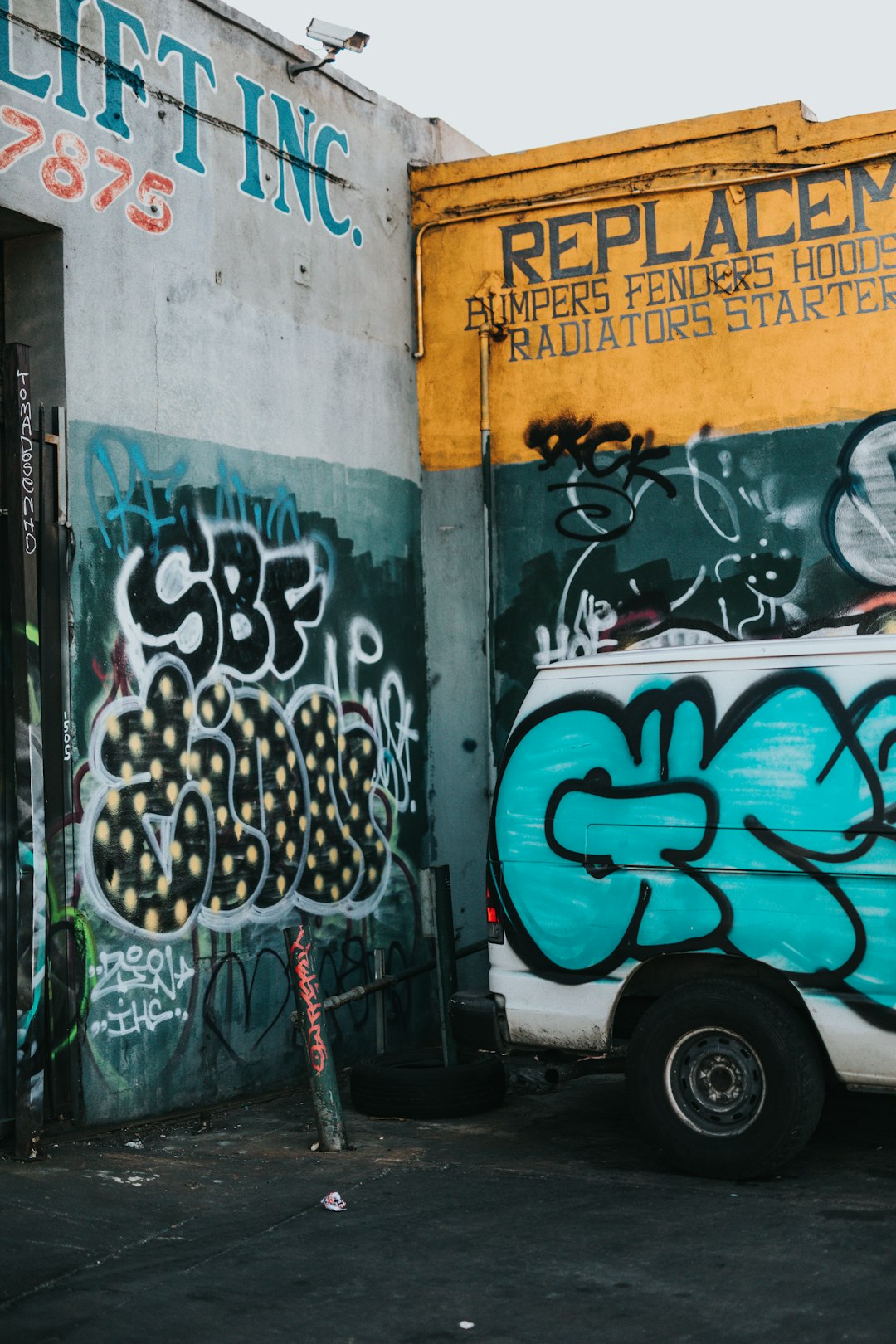
The dumpster arrived on a Tuesday morning, jawing like a metal beast, echoing down the narrow street of Echo Park as palm fronds swayed in the faint ocean breeze. By noon it sat in front of Maya’s bungalow — charcoal paint flecked with graffiti, its lid half-open, revealing a jumble of plaster dust, a chipped dining table, and the ghosts of a remodel gone wrong. ‘We thought we’d finish in a weekend,’ Maya muttered, pressing her palms into the small of her back. ‘Turns out three days means three months of decisions.’
Setup: Why One Dumpster, Why Now
Maya’s story is a familiar one across the Greater Los Angeles Area. From the mid-century apartments of Silver Lake to the bungalow blocks of Burbank, homeowners and contractors rent roll-off dumpsters when renovations, cleanouts, and community projects require a place to set the chaos. In Long Beach, a storefront clears out decades of reclaimed wood. In Pasadena, a family sorts an estate sale into ‘keep’, ‘donate’, and ‘dumpster’ piles. Each dumpster is not merely a container; it’s a crossroads of logistics, city rules, environmental choices, and the human stories crammed inside.
On Maya’s block, neighbors peeked from stoops. Inglewood’s morning delivery trucks hummed in the distance, and a dog barked from an upstairs balcony. It felt like all of LA had pooled its curiosity into this single, metal rectangle. Renting a dumpster should be a simple step — call a company, set a date, fill the bin — but the city’s geography and regulations make it an exercise in local knowledge.
Rising Action: The Small Decisions That Grow
The first tension point arrived with placement. The crew had backed the truck too close to the curb. A parking sign promised tickets if anything blocked the bus route during peak hours. ‘You need a permit if it goes on the street,’ the driver told Maya, wiping sweat from his brow. ‘City of Los Angeles doesn’t mess around. They’ll slap a fine or tow it if you don’t get a Temporary Street Occupancy permit.’
She learned quickly that rules change by city. In Santa Monica, where beachfront access and narrow streets are prioritized, permits often require additional notification and clearances. Culver City and Glendale had different forms; Torrance wanted proof of liability insurance for the operator. ‘You can’t assume one size fits all,’ her contractor, Luis, said. ‘Especially here — every city in the county has its own playbook.’
Then came the weight question. The crew lifted the dumpster lid and peered in like miners. Cardboard flattened neatly, but a pile of broken tile and concrete added weight at the bottom. ‘Overweight fees are what get people,’ the driver warned. ‘A 20-yard dumpster looks big, but if you pack concrete and dirt, you’ll hit the tonnage fast. You pay by the ton — and it adds up.’ Maya pictured the budget she and Luis had sketched on napkins being devoured by an invisible scale.
As the days passed, the dumpster became a character in the neighborhood: kids used it as a backdrop for photos, a passerby asked if she was donating the couch, and the mail carrier left a notice warning about an upcoming street sweep. Maya’s aunt called from Pasadena to ask about donating lightly used furniture to Habitat for Humanity ReStore. ‘If it’s clean and whole, call before you dump,’ her aunt said. ‘There’s a buyer for most things.’ That advice would become a minor revelation.
Key Insights: Practical Knowledge Woven into the Story
Between sips of coffee and hauling out drywall, Maya learned the essentials everyone should know before a dumpster arrives:
- Sizes and uses: Dumpsters typically range from 10 to 40 cubic yards. A 10-yard bin suits small cleanouts, a 20-yard is common for home remodels, and 30–40 yards are used for larger construction projects. In West Hollywood, with its tight alleys, a 15-yard roll-off often makes more sense than a bulky 40-yard monster.
- Permits and placement: If the dumpster sits on private property, you usually don’t need a city permit — but if it sits on the street or curb it becomes municipal business. The City of Los Angeles requires permits for street placement through its Bureau of Street Services or Transportation department; other municipalities like Santa Monica, Burbank, and Glendale have analogues with slightly different rules. Allow three to five business days to secure official approval in many places.
- Weight and content restrictions: Contractors charge by tonnage once the dumpster is hauled to the transfer station or landfill. Heavy materials (concrete, soil, brick) increase costs quickly. Hazardous materials — paints, solvents, tires, batteries, asbestos — are prohibited. For those, specialized hazardous waste services or household hazardous waste drop-off events in LA County are required.
- Recycling and donations: Much of a project’s debris can be diverted. Wood, metal, and cardboard are often recyclable. Appliances may be accepted by scrappers for scrap metal value, and usable furniture can be donated. Many companies operating across the county partner with local recycling centers and non-profits; ask your hauler what they do with materials and whether they offer separate bins for recyclables.
- Scheduling and timing: Plan for holidays and neighborhood events. The Venice Boardwalk season affects street use; rendering a permit useless on festival days. Weekend pickups sometimes cost more. Dawn or dusk deliveries can reduce the impact on traffic and parking.
Maya also learned the art of loading. ‘Distribute weight evenly,’ Luis coached as they hoisted a ceramic sink. ‘Lay heavy stuff flat and keep it centered. No overhang — if something sticks out, the truck will refuse to haul it.’ Her neighbor, an elderly man named Arthur from Silver Lake, offered a practical tip: ‘Stack smaller items on top, and cover when it rains — soaked drywall is a nightmare.’ The sensory details stuck: the grit of plaster under her nails, the metallic smell when a rainstorm hit the exposed wood, and the squeal of the dumpster’s hinges in the humid air.
Resolution: Unloading the Lessons
By the time the last piece of debris thudded into the bin, the neighborhood had adopted the project as its own. A teenage skateboarder leaned on his deck and offered to help move a heavy lamp. A woman walking her dachshund asked what would become of the old cabinets; Maya told her they’d be taken to a recycling center in Carson where wood is chipped and repurposed. The dumpster, once a symbol of disorder, had become a temporary community mailbox: people left advice, food, and a small potted succulent on the curb.
The day the truck came to take the dumpster away, the driver climbed inside to inspect the load. ‘All good,’ he said, nodding at the separated pile of metal leaning neatly along the side. He closed the lid with a final clang. Maya watched the truck back onto the street, the LA skyline and the low arc of the hills forming a jagged horizon. She felt both relieved and oddly bereft — the project’s mess had given the house a narrative, and now the chapter was closing.
On the way to the transfer station, the driver pointed out a patchwork of LA’s waste infrastructure: transfer stations, recycling yards, and a distant sign for Sunshine Canyon Landfill near Sylmar where much of the city’s non-diverted waste ends up. He explained how companies like his balance routes to reduce emissions and prioritize drop-offs at recycling hubs when possible. Maya thought of the concrete at the bottom of the dumpster and how a ton of it could cost as much as her dinner out for a week.
Takeaway: What to Remember and Do
By the end of the saga, Maya had a short, practical checklist pinned to her fridge — the sort she would pass along to anyone planning a project in Los Angeles County:
- Choose the right size: estimate debris by room and material. When in doubt, talk to your hauler about what you’re disposing of.
- Check local rules: if the bin will sit on public property, secure a permit from the city where the street address is located. Expect different timelines and requirements in Santa Monica, Culver City, Torrance, and other municipalities.
- Avoid prohibited items: batteries, paint, tires, appliances with refrigerant, asbestos — these need special handling.
- Divide and conquer: separate recyclables and donations first. Call local organizations like Habitat for Humanity ReStore, Goodwill, and community reuse centers before you toss.
- Pack smart: distribute weight evenly, don’t overfill, and cover the load if rain is forecast to prevent soggy, heavier material and runoff concerns.
- Budget for extras: permits, overweight fees, and extended rental days can each add 10–30% to your estimate.
Maya’s house was quieter now, the echo of the dumpster gone. She and Luis stood on the porch and sipped sweet iced tea, the heat of the day fading into a Pacific breeze. ‘It was more than just getting rid of junk,’ she said, smiling at the reclaimed floorboards drying in the garage. ‘It was learning where things go, who helps, and how to do it without messing up the neighborhood.’ For all her planning missteps and the small fines they narrowly avoided, she had learned to see waste as a material with destinations, not merely an end.
The final image lingered: the empty space where the dumpster had sat, a clean curb, and a cardboard sign someone had left — ‘Please take what you can.’ A man from down the block wheeled a lamp into his car. Someone else took a box of tiles. In a city as sprawling and diverse as Los Angeles, even a dumpster has a kind of life: it is part utility, part social stage, part environmental test. The trick is to script its arrival and departure with care.
When dusk fell, Maya walked down the street and paused beneath a streetlamp to watch the neighborhood settle. The project had stripped things down to their bones, and in the quiet that followed, the house felt more like a home than it had in months. She inhaled the night air, caught the faint tang of salt drifting from the ocean toward Santa Monica, and felt the small satisfaction of having navigated the city’s labyrinth of rules, routes, and recycling centers. The metal beast was gone, but its lesson remained: in LA, every piece of waste has a path — find it, follow it, and leave the street cleaner than you found it.