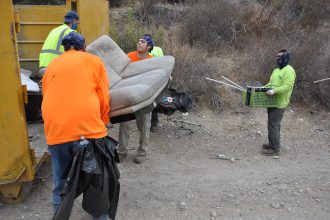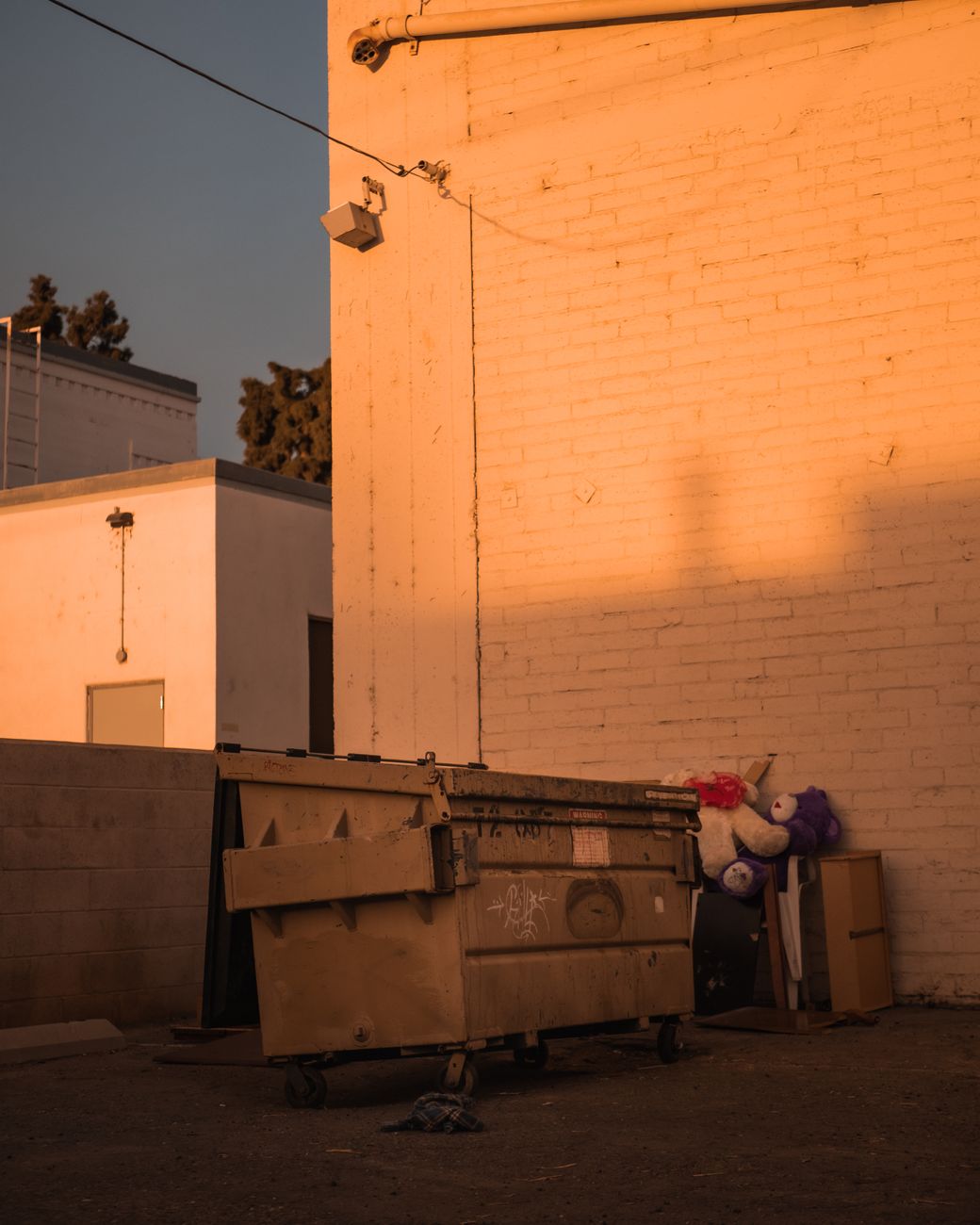
The first scent was diesel and salt. I remember standing on a cracked sidewalk in Venice, watching a low-slung dumpster glinting under a brittle October sun, while gulls argued over a forgotten sandwich near the boardwalk. A crew of three moved with the languid efficiency of people who knew the city’s rhythms: one man guiding the truck, another sorting a tangle of plywood and ceramic tiles, a third tapping his phone to confirm the next address in Glendale. “You’d be surprised how many places call us the day after they decide to renovate,” the driver said, wiping sweat from his brow. “From Beverly Hills kitchens to Compton cleanouts, we’re on the move.” This small scene would grow into a daylong map of the city’s lifeblood—trash, renovation, and renewal—spooling across the Greater Los Angeles area.
Setup: A Patchwork of Neighborhoods and Problems
Los Angeles has always been stitched together from neighborhoods that feel like separate towns: Santa Monica with its ocean breeze and boardwalk vendors, Echo Park’s old Victorians and modern condos, the quiet palm-lined streets of Beverly Hills, the industrial hum of Long Beach. On this morning, I shadowed a local dumpster removal crew as they threaded that patchwork together. Their route read like a geography lesson: a loft cleanout in Downtown LA, a film-set teardown in Burbank, a homeowner clearing brush before a backyard party in Pasadena, a bulk-item pickup in Inglewood. Each stop had a story, a smell, a visual signature.
Diego, the crew lead, introduced me to his crew: Nina, who handled permits and client texts; Malik, who navigated LA’s snarled freeways; and Jorge, who managed the lifts. “People think it’s just dropping a metal box and hauling it away,” Diego said, tightening the straps around a 20-yard bin. “But there’s timing, permits, landfill rules, recycling. There’s a whole ecosystem underneath the dumpster.” His words would become the refrain as we wound through morning traffic, the I-10’s buzz giving way to the Pacific Coast Highway’s sharp light, and finally the narrow, tree-canopied lanes of Pasadena.
Rising Action: Tension on the Streets
Our first real test came in Santa Monica. A boutique owner needed a 10-yard dumpster for a fast store remodel, but the only curb space available was a metered spot outside a café. Nina dialed the city bureau on her phone while the café manager watched with a mix of curiosity and annoyance. “You know those permits can take days?” the manager muttered. “We can’t close the street for a weekend sale.” Nina smiled, fingers flying. “There’s a same-day permit program for small commercial jobs if you apply through the bureau’s online portal and pick up the permit from the office before noon.” A paper ticket was printed, the café owner exhaled, and the truck hummed on.
Next, in Echo Park, an elderly couple were clearing out decades of accumulated keepsakes. The dumpster arrived with a clank. The woman touched the wood of an old dresser, and for a moment the afternoon smelled of varnish and old paper. “We kept everything in case the kids wanted it,” she told me, voice thick. “They said they didn’t.” The crew moved gently, sorting boxes labeled in looping cursive, placing anything recyclable into a separate pile. Diego’s hands were careful and practiced: he knew which items should go to a donation center, which belonged to a hazardous waste roundup—batteries, old paint, fluorescent tubes—and which had to be crushed before disposal.
Tension flared again on the 405, where Malik wrestled with a detour caused by a stalled semi. A scheduled pickup in Torrance was now running behind, and the customer—an apartment manager—had tenants complaining about a blocked alley. “Traffic is the spoiler of schedules here,” Malik said, jaw tight as the truck inched past LA’s endless stream of commuters. “But we plan for buffer time. Still, sometimes the city’s heartbeat surprises you.” We learned to read that heartbeat: peak hours and film-production convoy schedules, which often dictates when certain streets are unavailable or when additional permits are necessary in places like Culver City or West Hollywood.
Key Insights: What Dumpster Removal Actually Entails
Between stories and freeway sighs, Diego taught me the practicalities that keep Los Angeles moving. Dumpster sizes typically range from 10 to 40 cubic yards: 10-yard units suit small remodels or yard cleanups in neighborhoods like Glendale or Burbank; 20- and 30-yard dumpsters are common for larger renovations in Pasadena or Long Beach; 40-yard roll-offs get called to major construction sites in Downtown LA. “People ask, ‘What’s the right size?'” Diego said. “It’s about knowing what you’re clearing and whether you’re about to surprise yourself with demolition debris.” He advised homeowners to err on the side of a slightly larger unit if heavy materials like concrete or tile are involved—weight limits matter—and to always ask about flat-fee versus per-ton pricing.
Permits were another lesson. In Los Angeles proper, curb placement often requires a permit from the Bureau of Street Services. Other cities—Santa Monica, Beverly Hills, Long Beach—have their own rules and fee schedules. “Don’t park it on a red curb,” Nina joked, “unless you like paying fines and love towing companies.” She was serious. Street permits can affect not only cost but timing; many municipalities limit the number of consecutive days a dumpster can remain on public property. And if a homeowner needs the dumpster on private driveways, permits may be avoided, but care must be taken to protect asphalt and pavers from heavy metal edges—Diego’s team always brought plywood to sit under the bin.
Environmental responsibility threaded every stop. LA has aggressive recycling goals and a strong construction and demolition (C&D) debris diversion policy. That means separating green waste, metal, concrete, and recyclable plastics, and diverting as much as possible away from landfills. At a mid-afternoon construction site in Culver City, the crew separated a ton of scrap metal destined for recycling. “You get less landfill weight and sometimes a rebate,” Diego said, passing a rusted elbow to Jorge. He pointed out transfer stations and local facilities used for different materials, noting that Sunshine Canyon in Sylmar accepts mixed loads but that certain hazardous materials—like asbestos or solvents—require specialist handling and cannot be mixed in standard roll-offs.
Resolution: The City Cleans Up
By dusk we rolled down to Long Beach, following the clatter of the LA River as light softened. A nonprofit had organized a community clean-up on a vacant lot between two apartment buildings; kids from a nearby school made chalk pictures on the pavement. The dumpster sat like a temporary monument to communal effort, already half full of bottles, rusted bicycles, and a mountain of ocean-polished driftwood. Volunteers clapped as the crew arranged the bin for pickup. “It feels good to make a place usable again,” said Marisol, a local organizer, brushing dirt from her hands. “This used to be a dumping ground.”
As night settled, Jorge backed the truck into a soft orange glow, the crane arm ticking as it lifted the bin. Lights from nearby ships on the harbor blinked like distant stars, gulls winging home. On the radio, a dispatcher confirmed the last stop: an emergency pickup in Malibu after a windstorm. “One full day, and the city looks a little lighter,” Diego said, a tired smile breaking through. The truck pulled away, its taillights stretching into the black like a promise.
Takeaway: What to Remember and What to Do
If you’re planning a cleanout or renovation in Greater Los Angeles, remember three practical things I learned on the road: first, plan for size and weight. Choose a dumpster that matches your project and ask about weight limits and per-ton fees. Heavy debris like concrete will hit weight limits fast. Second, check permits early. Different cities have different rules—Los Angeles’ Bureau of Street Services, Santa Monica, Long Beach, and Beverly Hills all have unique requirements. A same-day permit exists in some situations, but don’t assume curb placement is free. Third, separate and recycle. Sort metal, green waste, and hazardous materials ahead of time. Many local companies partner with recycling centers and transfer stations to reduce landfill waste and may even offer lower rates for sorted loads.
Financially, expect variability. Small residential jobs in places like Echo Park or Silver Lake might run a few hundred dollars; larger commercial or construction projects in Downtown LA or Long Beach can stretch into the thousands. Ask for detailed quotes that include permit handling, disposal fees, and any potential surcharges. And when in doubt, call your local provider. A reputable company will explain size options (10, 20, 30, 40-yard), tipping fees, and diversion rates, and will advise whether special handling is required for items like paint, appliances, or electronics.
On a city level, LA’s plastic and construction waste policies mean that conscious disposal matters. Donating usable items to local charities in Glendale or Pasadena, recycling metal and concrete, and using licensed hazardous waste vendors for paints or solvents are small choices that add up in a city with millions of inhabitants.
We ended the day in a quiet Culver City side street, the dumpster already empty and neatly parked on the truck’s low bed. The street smelled faintly of ocean and frying garlic from a nearby taqueria. “People imagine it’s all brute force,” Diego said, handing me a cold bottle of water, “but it’s more like choreography—timing, permits, routes, and knowing where everything can go. We move pieces so people can build something new.” His crew climbed into the cab, tired but steady, and the truck merged into the night, its silhouette swallowed by the city’s diffuse glow. The neighborhoods we’d passed—Santa Monica’s sandy edges, Beverly Hills’ manicured calm, Long Beach’s industrial sweep, Inglewood’s resilient streets—felt a little lighter for the work done. In a city that reinvents itself every day, dumpster removal is the quiet undercurrent: pragmatic, necessary, and oddly generous, making room for the next story to unfold under the vast, California sky.
As the taillights faded, I pictured the Echo Park couple’s emptied attic, the boutique’s polished new storefront, and the Long Beach lot now echoing with children’s laughter. The day had been a map of small decisions—what to keep, what to discard, where to place a metal box on a curb—and those decisions stitched neighborhoods together, one pickup at a time. If you ever find yourself staring at a mountain of junk with a renovation on the horizon, remember the rhythm of the city: plan, permit, separate, and call someone who knows the streets. And if you listen closely as a dumpster truck moves away, you’ll hear Los Angeles breathing out, making space for something new beneath the stars.