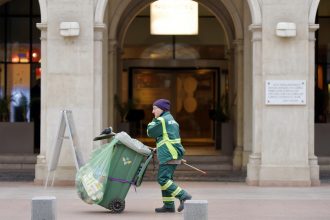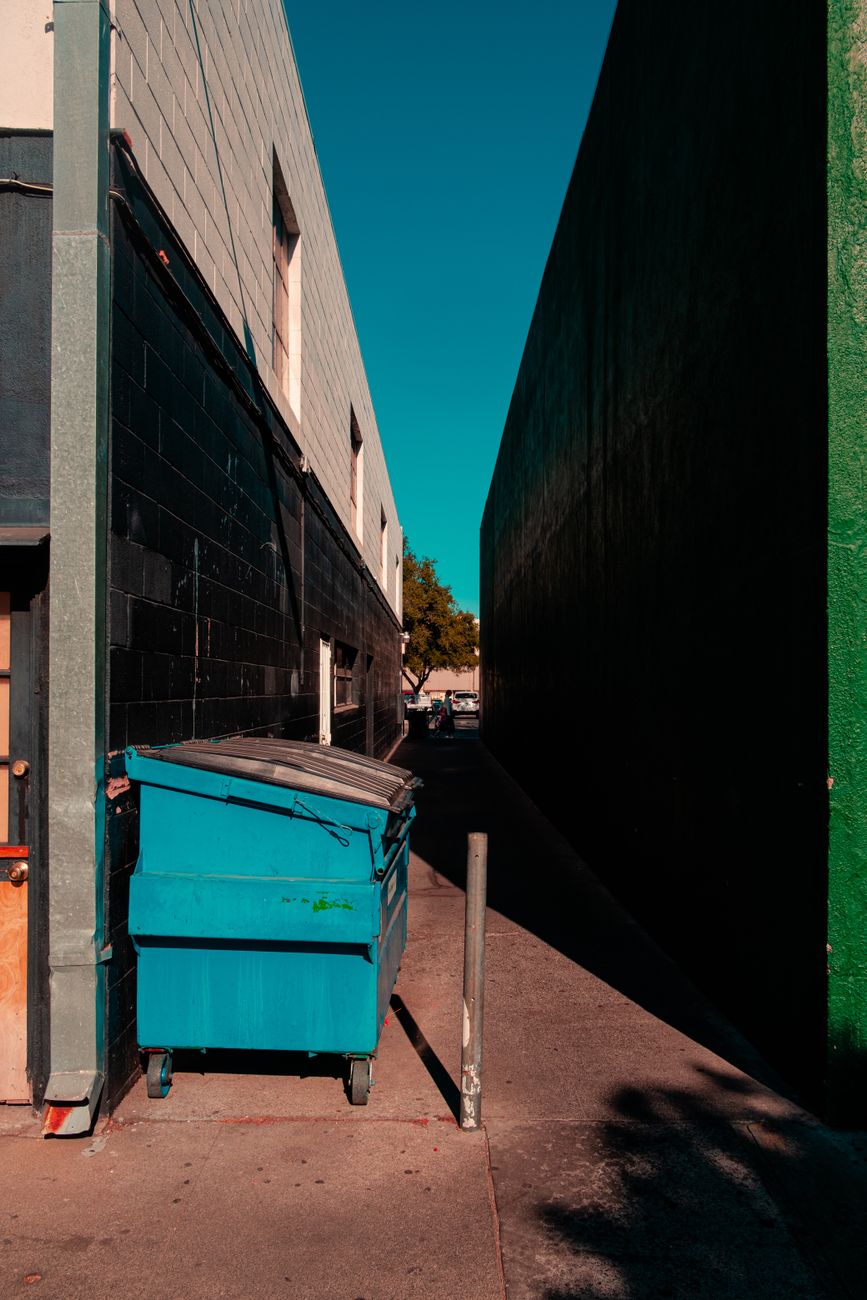
The dumpster arrived just before dawn, parked beneath the palms on a narrow Fairfax side street while the city still slept. A faint breeze carried the smell of coffee and sea salt from Santa Monica, and by the time the sun hit the Hollywood Hills the metal behemoth hummed with possibility. Neighbors peered from blinds. A dog barked two doors down. For Maria, it was the sound that meant a mess she’d been carrying for years was finally about to change.
Setting the Scene: A City of Projects
Greater Los Angeles is a patchwork of projects: a Craftsman teardown in Pasadena, a beachfront remodel in Venice, a garage conversion near Culver City, and a small-scale demolition by the port of Long Beach. Each project brings a common guest — the dumpster. Today Maria’s project was a kitchen-and-backyard overhaul in Echo Park, but the challenges she faced are familiar whether you’re in Burbank fighting narrow driveways, in Torrance coordinating HOA rules, or in Inglewood juggling truck access for a new ADU.
Maria stood with her contractor, Jamal, a man whose hands smelled of sawdust and who wore the calm confidence of someone who’s moved dumpsters through alleys and up hills across the city. ‘Think of it as renting a very large basket,’ he said, smiling. ‘Except this one needs a permit if it sits on the street in LA, and you can’t toss your old paint cans in there.’ His list of nuances made Maria’s jaw tighten, but it also felt like a map out of confusion.
The First Rise: Complications in the Morning Light
We booked the dumpster online, Maria had told herself. It will be simple. But the morning began with a knot: the driveway slope was steeper than measured, and the delivery truck couldn’t swing into Maria’s block without blocking a lane on Franklin Avenue. A delivery without a street permit would have drawn a citation from LADOT — and in Santa Monica, the city’s rules around curbside placement and beachside businesses were even stricter.
‘We need a permit for that spot,’ Jamal said, pointing at the narrow stretch where the crew wanted to place the container. ‘And the truck needs at least 14 feet of clearance for the lift. You got overhead wires? Any tree branches? In Laurel Canyon we had to call a utility crew to temporarily move lines.’ He rattled off details like a seasoned navigator through city regulations.
Meanwhile, the neighborhood woke up. A neighbor from the Victorian next door, Mrs. Alvarez from Burbank originally, shuffled over with a cup of coffee. She peered at the steel box and asked, ‘Is all that going to end up in the dump?’ Her voice held worry as if the dumpster were a small, molten volcano that could reshape property values. Maria realized the project’s impact wasn’t just physical; it was communal.
Key Insights Woven Into the Story
As the morning progressed, Jamar — a crew foreman from Glendale — organized the process like a choreography. ‘We sort on site when we can,’ he explained, snapping on gloves. ‘Metal, wood, concrete, and cardboard. Some places in Los Angeles will charge you less if you bring separate loads to a recycling center. At the Long Beach transfer station they pay attention to clean concrete, and metal fetches a different fee.’ He tapped the side of the dumpster where a line of stickers listed prohibited items: batteries, solvents, fluorescent bulbs, and anything labeled asbestos.
The team began separating: old cabinets with hidden screws, plaster dust that clouds like powdered sugar, a pile of ceramic tiles that rang when struck. A neighbor from Pasadena asked from his porch if drywall could go in the same bin as the bathroom tiles. ‘Drywall can be bulky but it’s often recyclable if it’s clean,’ Jamal replied. ‘But wet drywall adds weight and might push you into an extra fee.’ Practical, precise, and often overlooked — these little facts would shape the bill and the environmental footprint.
There are dumpster sizes for different jobs: 10-yard containers for small cleanouts, 20- and 30-yard options for larger renovations, and 40-yard containers for commercial demolitions and major remodels. In Hollywood Hills, where driveways are tight and vistas are precious, contractors often prefer smaller, multiple loads to avoid street permits and minimize neighborhood disruption. In industrial zones near Downey or Long Beach, larger roll-offs are common because truck access and space are easier to manage.
Rising Tension: Timing, Cost, and the Unexpected
Later that afternoon a hiccup arrived in the form of a neighbor’s complaint — someone reported the dumpster as blocking the street. A city inspector drove by with a clipboard and polite eyes. ‘Permit required,’ she said, a reminder that municipal rules are not negotiable. Jamal pulled up the rental company’s app and produced a digital permit within the hour, filed through the city’s online system. Maria felt a softting in her chest; the bureaucratic knot began to loosen.
There are costs to these conveniences. Short-term rentals might run for a week; longer projects incur daily or weekly fees. There’s a base rate for the container, disposal fees that vary by tonnage, and surcharges for prohibited items or overfills. Maria learned to ask for a weight allowance and to request a hard-top cover if she anticipated wet debris from her backyard demolition during the occasional LA storm. ‘We don’t want that extra soggy weight,’ Jamal warned as thunder mumbled above the hills.
By sunset the dumpster was more than metal; it held stories. Old wedding cake toppers in a knocked-down cabinet, a child’s drawing found tucked in a drawer, the smell of lemon oil from salvaged hardwood. Maria ran her fingers along a scrap of oak and imagined it reborn as an island counter. These elements reminded her that demolition can be loss, but it also holds the seed of renewal.
Practical Lessons Embedded in Moments
While the crew worked, Jamal shared tips that could save hours and dollars: call your rental company with as much detail as possible; overestimate capacity by 10-20% to avoid surprise fees; never mix hazardous wastes with general debris; check whether an HOA or the city requires additional permits; consider recycling bulky materials like concrete and metal separately; and schedule pick-up times that minimize traffic headaches in busy corridors like Sunset Boulevard or Pacific Coast Highway.
‘Also,’ Jamal added, ‘ask about driveways vs. curbside placement. If the truck has to lift over a hedge or down a slope, there’s usually an extra charge.’ He pointed at the driveway where the dumpster sat, the hydraulic arm withdrew, and the truck rumbled away. Maria watched the ripples in a puddle left by the truck’s wheels, the sky turning violet above Burbank’s distant studios.
Resolution: A Street Restored
When the final load was taken away a week later, the street felt lighter. The trash bins sorted and the salvaged oak stacked for pick-up by a local carpenter, Maria walked her block and saw neighbors returning to their rhythms. Mrs. Alvarez had planted a small row of marigolds along her stoop. The inspector returned with a nod and a stamped electronic receipt that made Maria feel as if the city had signed off on permission to rebuild more than wood.
‘We couldn’t have done it without Jamal’s crew,’ Maria told her neighbors at an impromptu picnic. ‘They knew about permits, the weight limits, and even where Long Beach’s recycling brokers will take scrap metal.’ The group laughed, and the sound fit over the hum of evening traffic and the distant surf from Santa Monica.
Takeaway: What to Remember Before You Rent
From Venice to Pasadena, from Inglewood to Long Beach, dumpsters are more than containers — they’re part of a larger choreography of urban change. Remember these practical takeaways: choose the right size for the job; know local permitting requirements; separate recyclables and hazardous materials; verify weight limits and potential overage fees; ask about driveway vs. curbside placement; and plan for truck access and timing. Above all, communicate with neighbors and your contractor about the plan. The cheapest option on paper can become far costlier if you ignore city rules or skip sorting.
Maria’s project finished with a new kitchen, a blooming backyard, and a story to tell. The dumpster had been a catalyst: it cleared space physically and mentally. The experience left her with a new appreciation for the city’s hidden mechanics — inspections, transfer stations, recycling yards — and with a little wisdom about asking the right questions early.
Final Image: A Clean Street at Dusk
On the last evening, Maria stood in the doorway and watched the street at dusk. A gull cried over the distant harbor, a string of car taillights painted a thin red line toward Downtown, and the air smelled faintly of sawdust and jasmine. The spot where the dumpster had sat was empty now, a rectangle of asphalt that caught the low light. Jamal waved from across the way, his hands still dusty. ‘Looks good,’ he said, and it did. The city that never quite stops changing seemed, at that moment, to breathe easier.
If you find yourself planning a cleanup or remodel in Greater Los Angeles, let the sound of the dumpster’s arrival be your cue to plan carefully, ask questions, and treat disposal as part of the project’s design. Respect the rules, separate the rubbish, and remember that every bit of debris tells a story — one that can end with a clean street and a sunset over the hills.