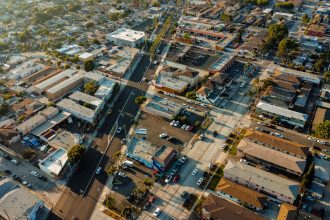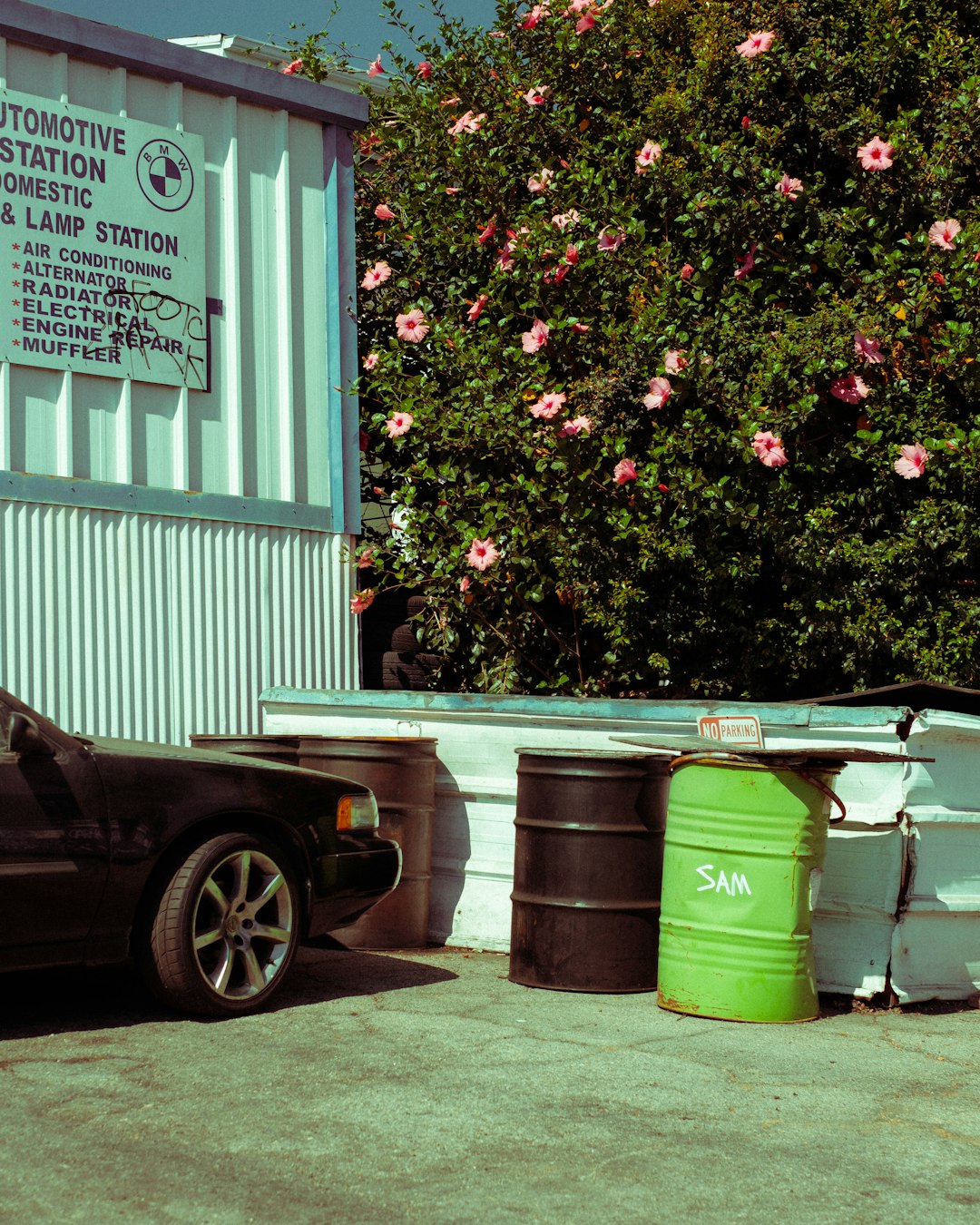
The dumpster sat like a black whale under the late afternoon sun on Ocean Park Boulevard, a hulking silhouette against the silver thread of the Pacific. It had arrived at the Venice bungalow at the same time the first coffee was poured and the first floorboard was pried up. The smell of sawdust mixed with salt air, and for a moment the noise of the city — the distant hum of the 10, a bicycle bell, a dog barking in a nearby alley — all folded into one ordinary, astonishing morning.
Setup: Why a Dumpster, and Who Decided?
Ana had inherited the bungalow from her grandmother and, faced with years of layered renovations and forgotten treasures, she hired Miguel, a contractor from Burbank with a knack for old houses. Miguel had a habit of speaking plainly: ‘You can try to load that old plaster into a truck with a few friends,’ he said, ‘or we can put a roll-off in the driveway and make space for every last board and broken tile.’ He flicked his hand toward the curb, where the truck would soon back in between a palm and a parked Prius.
There are hundreds of stories that begin with a dumpster in Los Angeles. Some are phoenix tales of a house stripped to its bones in Hollywood; others are neighborhood cleanups in North Hollywood where landlords contend with decades of hoarded belongings. This one would uncover both renovation headaches and, unexpectedly, a trunk of photographs that shifted Ana’s reason for renovating from practical to sacred.
Rising Action: The Small Problems Add Up
What looked like a simple delivery turned complex in a hurry. The bungalow’s driveway was only wide enough for a single car, and the street in Venice has a rhythm of its own — parking restrictions, pedestrian traffic, and the occasional film crew. Miguel dialed a city clerk in Santa Monica, then patched through to a permit office in Los Angeles when a neighbor complained about the curb space.
‘You need a street permit for that curb placement if it’s going to sit on public right-of-way,’ explained the clerk over the phone, her voice all patience. ‘And make sure you have plywood if the dumpster sits on a decorative driveway.’ The words were bureaucratic and small, but they mattered. A wrong placement could mean a parking ticket, a neighborhood gripe, or a scarred stucco path where Ana’s grandmother once painted garden gnomes.
That first day, the crew encountered more than logistics. Behind the kitchen wall, under old linoleum, lay brittle tiles that tested Miguel’s instincts: are these the kind that contain asbestos? ‘We have to assume the worst until we test,’ he told Ana, who felt the room tilt with the cost and the time that testing would add. A dumpster is just a container; the rest of the story is about what goes into it and how those contents travel after the lid slams shut.
Key Insights Woven Through the Work
As workers tossed debris into the roll-off, the practical lessons of dumpster removal became part of the rhythm: one board at a time, a call to the transfer station, a separate pile for salvageable items. Miguel narrated like a teacher. ‘We use a 20-yard for this,’ he said. ‘It fits a kitchen down-to-the-studs and a bathroom demo. A 10-yard is for small overhauls, a 30 or 40 if you’re gutting a large house.’ His hands drew invisible diagrams in the air.
He explained weight limits, tipping fees, and hidden costs without jargon. ‘It’s not just size. If you fill it with dirt or concrete, that’s heavy — you’ll pay for weight. Mixed loads with hazardous items? That’s a different disposal stream and a different price.’ In Los Angeles County, he said, many transfer stations and landfills, like the one up in the hills, have strict rules about separation and special handling for items like paints, batteries, and old electronics.
Across the city, rules vary. In Santa Monica, the voice on the phone had been crisp about curb permits. In Pasadena and Burbank, neighborhoods might enforce different noise and placement ordinances. Long Beach and Torrance have their own regulations, and if you’re near the ports, there are logistics for big trucks. Miguel recommended checking with the city or a reputable local dumpster company that knows the patchwork of rules from Glendale to Compton. ‘A good hauler will know which transfer station to use and whether a permit is needed,’ he said.
He taught Ana to spot what shouldn’t go into the dumpster: fluorescent tubes, oil, tires, and anything labeled hazardous. ‘Those get diverted to hazardous waste facilities. For example, used paint should go to a drop-off or be reused by a recycler. Electronics often get recycled, not buried.’ He also suggested donations: appliances in working order might find a new life in Inglewood or Whittier through local charities, avoiding the landfill and earning goodwill.
Scene: The Neighborhood Reacts
Neighbors are always part of the story when a dumpster appears. On the second day, a woman from two doors down — Mrs. Rodriguez from Culver City — knocked on the bungalow’s door. She brought coffee and a folded towel for the workers’ hands. ‘We used to watch your grandma feed the pigeons,’ she said. ‘Please be careful with the old things.’ Ana felt the emotional weight of the demolition increase.
Across the street, a film production paused and a PA peered over a fence. In the garage, a crew member hummed a radio station out of Anaheim. Every city in greater Los Angeles contributed a different texture to the morning: a siren down in Hollywood, the hiss of freeway air, the salt-tang of Venice. Even the dumpster had a personality as workers scuffed it and leaned against its cold rim.
Practical Choices with Real Consequences
Choices about dumpster size, placement, and scheduling rippled outward. A 10-yard dumpster would have been cheaper but would mean more trips and possibly more dust on the neighbors’ windows in Glendale. Renting longer avoids paying rush fees if a project runs late, but some companies charge per day and others cap a standard rental at a week. The most surprising cost, Miguel said, was unexpected weight: a homeowner might estimate wood and drywall but underestimate tile, concrete, or packed dirt.
To protect the driveway, Miguel’s team laid sheets of plywood under the dumpster — a small extra that prevented gouges and won approval from the HOA in Santa Monica. For curb placement in busy streets like Hollywood or West Hollywood, Miguel booked a street closure permit two weeks in advance. For narrow alleys in North Hollywood, he arranged a smaller truck and a timed delivery to avoid school drop-off rushes in nearby neighborhoods.
The Discovery
One afternoon, while pulling up floorboards, Ana found a small, rusted trunk tucked beneath the joists. Inside were brittle photographs and letters in her grandmother’s looping hand, dated back to the 1940s: a snapshot of a beach party in Santa Monica, a postcard from someone in Long Beach, a newspaper clipping about a small theater in Burbank. The dumpster had been a tool for clearing the house, but it had become a threshold for remembrance.
‘Keep that out of the bin,’ Miguel said, eyes softening. He paused the crew, and they built a sanctified little pile of artifacts. Instead of the trash, those photos went into a cardboard box labeled ‘family’ and were set aside for conservation. That small choice — the habit of looking before tossing — became the most important decision of the renovation.
Resolution: The Day the Dumpster Left
When the truck returned to haul the dumpster away, the street felt different. The house had been stripped to its promise, the air fuller of possibility than of dust. The workers nudged the last of the boards into place, closed the dumpster lid, and waved. The driver backed the truck into Pacific light and, for a brief moment, the city seemed to take a collective breath.
Ana stood on the porch as the truck rumbled off toward the transfer station, where it would be weighed and emptied and the contents sorted into what could be recycled, what was salvageable, and what would finally settle under the soil. She held the box of photographs and letters and felt, oddly, like she had paid a kind of rent for both memory and civic duty — the careful sorting of what we throw away and how we honor what we keep.
Takeaway: What to Remember and Do
If you’re planning a project in greater Los Angeles — whether in Santa Monica, Long Beach, Pasadena, Glendale, or anywhere between the ocean and the hills — remember these practical truths I learned alongside Ana and Miguel: choose your dumpster size for the scope of the job, not the budget’s wishful thinking; confirm street and curb permits early; separate hazardous waste and recyclables; protect surfaces under the dumpster; and, most importantly, look before you toss. Sometimes the most valuable thing in a demolition heap is not worth throwing away.
When the dumpster finally pulled away from the Venice bungalow, it took with it grit, old mistakes, and a kind of closure. It also left space: empty rooms that smelled faintly of salt and sawdust and hope. Ana unlocked a window and let the ocean breeze sweep through the house, feeling the city settle back into its steady pulse. Above the sound of the freeway and the gulls, she heard the faint echo of her grandmother’s laugh and understood that removal is not only about disposal — it’s about making room for the next story to begin.