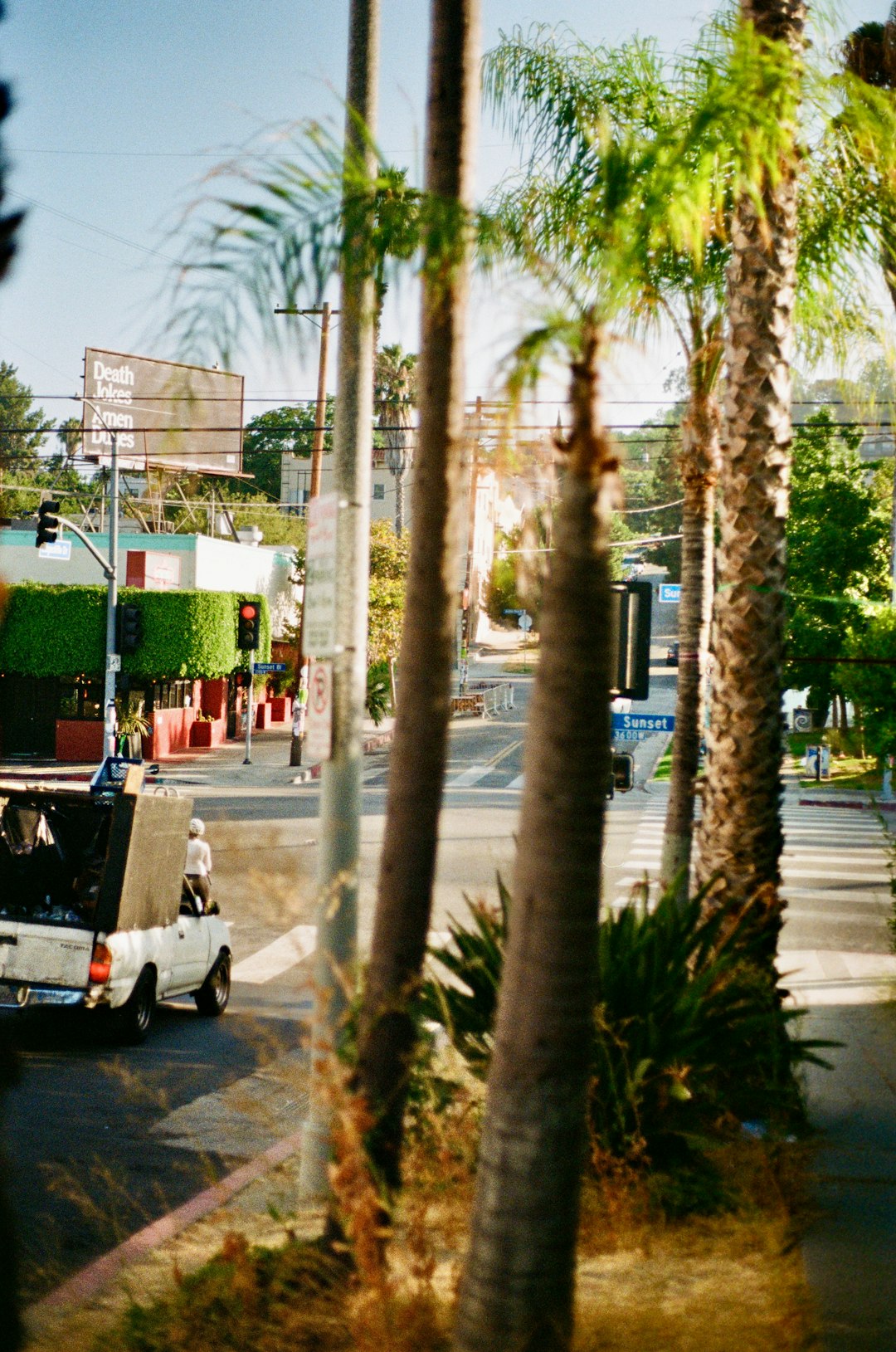
The first thing Maria noticed was the smell: diesel, salt, and the faint sweetness of eucalyptus from the median on Sunset Boulevard. It arrived before the truck did, a low rumble under the normal Los Angeles soundtrack of scooters, distant freeway hum, and a gull crying over the city. She stood barefoot on her porch in Echo Park, paint flecks on her toes, and watched a bright yellow roll-off dumpster disappear around the corner like a small, metallic whale finding the sea.
Setup
Maria and her husband Javier had saved for two years for the gut renovation of their 1920s bungalow. They had dreamed of sunlit shelves, a narrow island that could handle two breakfasts at once, and a backyard that would finally host Sunday dinners. But dreams are heavy with debris. Demolition day meant mountains of old drywall, tiles, and that stubborn cast-iron sink that had been in the house since before anyone could remember.
‘Are we ready for the chaos?’ Javier asked, leaning over the ledger where he had written down rental trucks, subcontractor contacts, and a long list of permits.
‘Ready as we’ll ever be,’ Maria said, though her hands trembled around her coffee. She had called three different dumpster companies, played the waiting game with city permits in nearby glassy downtown Los Angeles, and negotiated alley access with the neighbor in the duplex next door in Silver Lake. Every part of this city — from the steep streets of Hollywood Hills to the flat blocks of Long Beach — had its own little way of complicating what seemed like a simple task: get a dumpster, fill it, and get it gone.
Rising Action
The first attempt went wrong. The truck driver called to say he couldn’t fit the 20-yard container on Maria’s narrow street because of a film shoot blocking half the block in West Hollywood. The second company wanted a nonrefundable deposit and offered a delivery window of ‘sometime this week.’ The third promised punctual delivery, but when the driver Ramon pulled up a day early, Maria panicked. She hadn’t secured the parking permit from the Los Angeles Department of Transportation, and the HOA in the adjacent property had strict rules about curbside storage.
‘Ramon, I am so sorry, we don’t have the permit yet,’ she blurted, cheeks hot in the Los Angeles sun.
‘No problem,’ Ramon shrugged, the brim of his cap shadowing his eyes. ‘We drop in the alley if you mark it. But watch the weight. We don’t take hazardous stuff. And if you need it longer than a week, let us know. Some streets here in LA get stickered fast.’ He pointed down the street toward the harbor at Long Beach, where he said waste was measured more by tonnage than by the sentimental stories people told when they cleared out a family home.
The tension in the neighborhood rose like heat haze. The permit clerks in City Hall had a small stack of forms, each stamped with a different set of rules depending on whether the dumpster sat on city property, private driveway, or state right-of-way. In Pasadena, Maria learned, front-of-property dumpsters often required a different process. In Santa Monica, there were strict recycling mandates for construction debris. Across town in Glendale, tree-lined streets meant that big trucks needed extra clearance and sometimes a police flagger.
Every phone call taught Maria another fact: dumpster removal in Greater Los Angeles was as much about logistics and local ordinance geography as it was about hauling things away. The city was a mosaic of neighborhoods, each with an accent — the harbor’s industrial practicality, the coastal breeze and strict rules of Santa Monica, the old-money patience of Pasadena, the hustle and improvisation of downtown LA.
Key Insights
As the project stretched into weeks, Maria became an accidental expert. Here are the lessons she learned, folded into the story of dust and late-night coffee.
Size matters, and so does placement. A 10-yard dumpster is often enough for small interior cleanouts, but when you rip out kitchens and bathrooms, 20 to 30 yards become more comfortable. In narrow neighborhoods like Silver Lake or the Hills near Hollywood, a 20-yard container is easier to position than a hulking 40-yard behemoth that might block more than just views.
Permits are not optional. You can place a roll-off on your driveway without a permit, but curb placement in Los Angeles almost always requires permission from LADOT or your city’s public works department. Permit timelines vary; sometimes a same-day permit is possible, but major arterial streets, commercial zones around Koreatown, or areas near the ports of Long Beach and Los Angeles can take longer.
Know what you cant toss. Hazardous materials — old paint cans labeled flammable, asbestos-containing materials, certain electronics — have specific disposal routes. Los Angeles County and the cities within have designated household hazardous waste facilities. One afternoon, a coworker from Burbank drove over with two halves of an old barbecue grill and a can of lighter fluid that Ramon gently refused to take. ‘We won’t touch that in a regular roll-off,’ he said. ‘You gotta go to a special drop-off or call a hazardous-waste contractor.’
Weight fees and hidden costs. Dumpsters are charged by volume and weight. Concrete, soil, and dense tile can push a job from a standard fee into overweight territory. When Maria and Javier tossed a pile of broken concrete slabs into the bin, the company notified them that a per-ton surcharge would apply. It was an expensive lesson: separate heavy materials into their own loads when possible, or opt for smaller, specialty hauls for demolition debris.
Timing is everything. Peak construction season in Southern California — when the warm weather makes outdoor work possible without the need for heaters or rain covers — means shorter lead times for trucks. Plan ahead if you’re renovating in spring or fall. Likewise, think about traffic windows: early morning deliveries on a long stretch near Torrance or mid-morning arrivals near busy Santa Monica boulevards are usually easier.
Recycling and reuse are available and worth it. Los Angeles has vibrant reclamation networks. Salvage yards in East LA and Long Beach will take fixtures and metals. Some dumpster services partner with recycling centers to divert wood, metals, and clean concrete. Maria found that a local nonprofit in Downtown LA took usable cabinetry for a nominal fee, and the amount of waste headed to landfill dropped dramatically.
Rising to the Challenge
One Thursday, the trash pile on Maria’s lawn looked like a small mountain: slabs of tile, a bathtub with its feet missing, and a stack of yellowed molding. A neighbor from the top of the hill poked his head over the fence. ‘Looks like a small apocalypse,’ he joked. ‘You building an art installation?’
‘Just reviving the place,’ Maria said, and for the first time there was a grin in her voice. She had grown to like the rhythm of it all — the early negotiations with the hauler from Inglewood who always arrived with a sympathetic ear, the evening calls with the permit office to confirm the truck could stay an extra day, the awkward conversations with the HOA when the container blocked mailbox access.
On the day the crew hauled away the final load, the air smelled like charred wood from a distant barbecue and the ocean, an odd but familiar Los Angeles mix. Ramon stepped down from the cab, wiped his hands on a rag, and looked around at the cleared porch where paint cans and dusty tarps had once defined the landscape.
‘You coming back later?’ Javier asked, half joking.
‘Depends,’ Ramon said, tapping his phone. ‘But I like this. Feels clean.’ He tipped his cap, and the truck’s hydraulic arm folded the container up like a giant metal book closing. The clang echoed off the brick facade and then the street went quiet in a way that felt ceremonious.
Resolution
With the dumpster gone, the house looked different — lighter, somehow, as if the old bathtub and broken cabinets had been a kind of weight clogging the place. The crew parked two houses down to keep the alley clear. Maria stood with a broom and watched a final handful of dust drift over the curb like ash from someone else’s bonfire.
She thought about the way the city had helped and hindered her project: the helpful clerk in Burbank who walked her through permit codes, the friendly salvage yard in Long Beach that took what it could reuse, Ramon who refused risky loads because he cared about safety, and the neighbor who loaned them cones to protect the space. Los Angeles had a rhythm — a set of rules and improvisations — and the dumpster had been the instrument that taught them how to move with it.
Takeaway
If you are planning a renovation in the Greater Los Angeles Area, remember this in the bustle between demo and finish: plan your dumpster as carefully as you plan your paint. Consider the right size for your project, be ruthless about separating heavy and hazardous materials, notify your neighbors, and secure permits well in advance. Ask the company about weight limits, ask about recycling and salvage partnerships, and ask for a firm window for delivery and pickup. Above all, expect surprises: a blocked street for a movie shoot, a last-minute code clarification from city hall, or an unexpected neighborly favor.
Maria and Javier now have a backyard full of seedlings instead of stacked drywall. Neighbors stop by for coffee and reminisce about that week the chunk of their block looked like a construction site. On clear evenings they sit on their new porch and listen to the distant freeway and the gulls, and sometimes they still catch a faint hint of diesel. It reminds them of the day a bright yellow dumpster rolled into their life and, week by week, helped them make space for what came next.
The street seems to breathe easier now, and when Maria walks past the spot where the container once sat, she imagines the clang fading into the city’s larger hum — a small, metallic whale gone again into the surf of Los Angeles life.