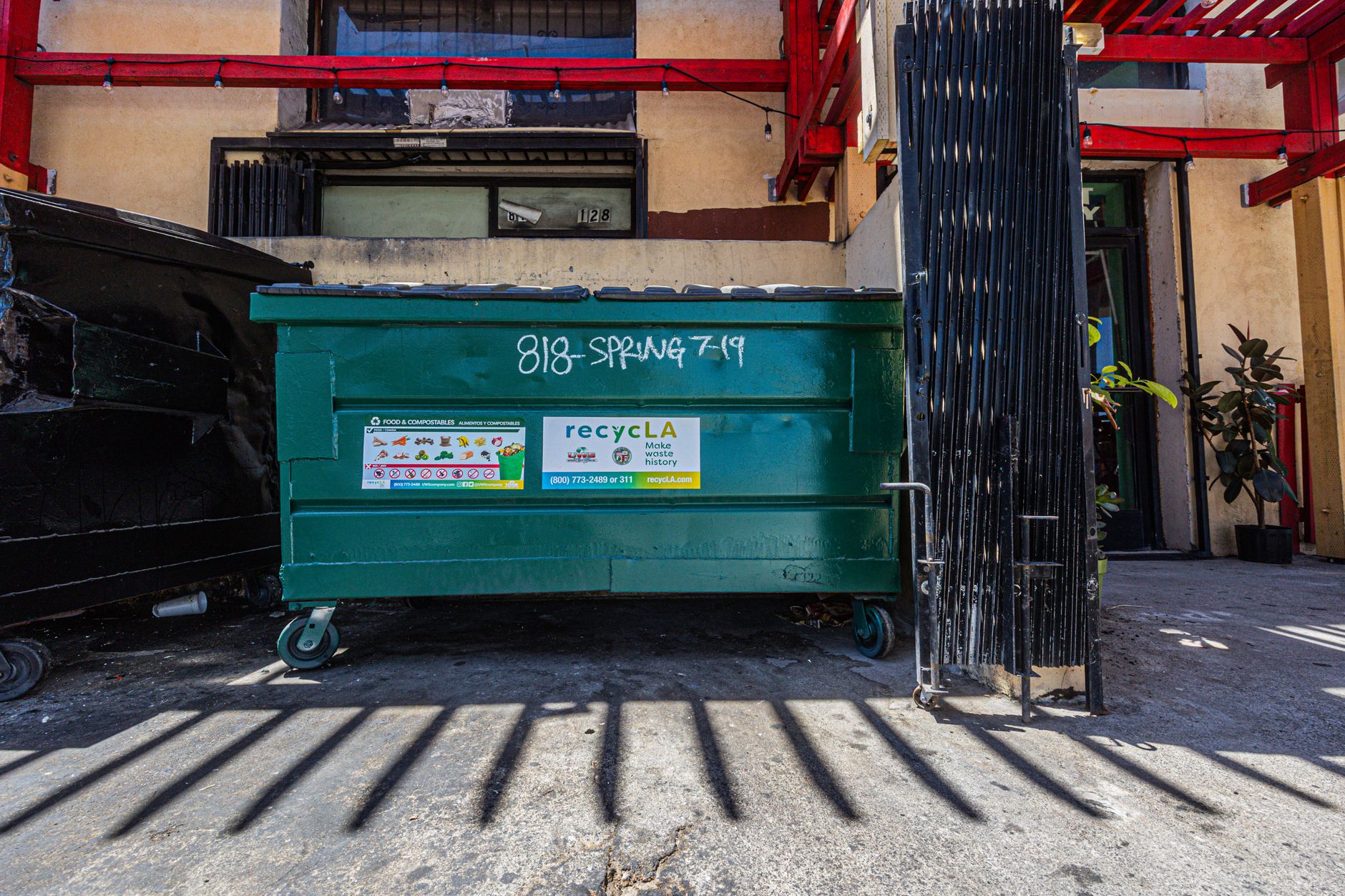
The first time I watched a twenty-yard roll-off arrive on my street in Echo Park, it felt like a spaceship had landed. The metal beast hissed as it settled, its orange paint scuffed by years of hauling other people’s histories: a piano with chipped ivories, a mound of drywall dust, a child’s plastic pool with one bright blue side. A neighbor stepped out, cupping his coffee, and said, ‘You really doing all that?’ The answer was yes — and no one in Los Angeles ever does anything alone.
Setup: A Bungalow, a Remodel, and a List Too Long
Mei and Luis had bought the bungalow for its avocado tree and the way the morning light slid across the hardwood floors. They dreamed of widening the kitchen, opening a wall to catch more sunlight, and finally building the kind of pantry that could hold more than one bottle of olive oil. What they did not dream about were the three truckloads of demolition debris that turned their tidy yard into a dust-rimmed staging ground.
‘We can take it ourselves,’ Luis said the first night, when the dumpster was still an abstract cost. ‘Rent a truck, make two runs to the dump.’ Mei shook her head. ‘Not on Weekday I-10,’ she said. ‘Call someone local. Someone who knows the rules.’
Los Angeles is a tapestry of neighborhoods: narrow Victorian-lined streets in Pasadena, beachfront hills in Santa Monica where the sea breeze smells like salt and paint thinner, palm-lined avenues in Beverly Hills where every permit seems to be gold-plated. What Mei and Luis needed was a roll-off service that could deliver a dumpster to Echo Park without blocking the boulevard, file a permit if necessary, and help them decide what to keep, donate, or recycle.
Rising Action: Permits, Paint Dust, and a Neighbor’s Garden
The first delivery attempt nearly failed. The truck couldn’t turn down their block with a car parked mid-curb. The driver cursed softly as the diesel engine idled; the whole street smelled like exhaust and wet cardboard. A woman from the house across the way—Mrs. Cortez—came out with a watering can and peered over her fence.
‘You can’t leave that there without a permit,’ she said. ‘Last time the city slapped a ticket on my son for a ladder that stuck out too far.’ The word permit hung heavy. In Los Angeles proper, especially in busy areas like Hollywood, Santa Monica, or downtown near Burbank and Glendale, placing a dumpster on public property often requires a permit from the Department of Transportation. Some cities—Santa Monica and Beverly Hills among them—have stricter rules about location, hours, and covering debris.
‘We didn’t know,’ Luis admitted. He felt small beneath the rusting teeth of the dumpster, like a kid caught with a skateboard on private lawn. The driver, a thick-booted man named Tom, rubbed his forehead. ‘We can drop it in the driveway,’ he said, ‘if you can handle the weight. Or I can hang back and get the permit. It’ll add a day, but I know the folks down at the city counter.’ There was a pause. Mei looked at the avocado tree, at the little plot of lawn Mrs. Cortez watered with afternoon precision. ‘We’ll get the permit,’ she said. ‘We can’t risk a ticket.’
Key Insights Woven Through the Story
Tom became both teacher and mediator. As the crew slid plywood under the dumpster’s wheels to protect the driveway, he explained the basics in plain, practical terms. ‘Dumpster sizes matter,’ he said, pointing to the stenciled numbers. ‘Ten-yard is good for small cleanups, fifteen for garage clearouts, twenty to thirty for remodels like yours. But watch the weight. Concrete and tile? Heavy. They charge by ton. And never put hazardous materials in the roll-off — paint, batteries, asbestos, tires. Those have to go to special facilities.’ His voice was flat with experience, punctuated by the clank of metal as they adjusted chains.
He also laid out the local landscape. ‘Different cities, different rules,’ he said. ‘Long Beach lets you place a container with a permit, but they care about placement near storm drains. Santa Monica will insist you cover anything dusty because of ocean air. If you’re in Pasadena, they might want a traffic control plan if your dumpster blocks a lane.’ This was the sort of local knowledge that the internet lists, but doesn’t always tell you in time.
Sorting became the heart of the project. Mei and Luis found themselves standing in a pile of things that had been important in other lives: a stack of kitchen tiles, picture frames, a broken lamp with a brass foot, a set of books with cracked spines. Neighbors drifted by—Beverly Hills landscapers with immaculate trucks, a Long Beach artist carrying a wood frame—and offered hands, contacts, and one sharp question: ‘Could any of this be reused?’
‘Yes,’ Mei said, feeling unexpectedly fierce. They started a separate pile: items for donation. An old-but-sound cabinet might become someone else’s pantry. The stack of gently used tiles went into a different pile for Habitat for Humanity ReStore. Luis made calls to local haulers and a couple of nonprofits. A small victory: a nearby school in Glendale needed old wood for an art project. A child’s laughter in the background told them they’d done more than declutter.
Practicalities and Hidden Rules
Through the weeks, Mei learned the math of dumpster rental. Cost depends on size, rental length, weight, and the type of material. There were overage charges if the weight threshold was exceeded, extra fees for prohibited items, and sometimes a small environmental surcharge. If a dumpster stayed longer than the agreed time, there were daily rental extensions. And if the city required a parking permit for overnight curbside placement, that fee was separate.
She also learned about diversion and recycling. Construction and demolition debris (C&D) can be largely diverted in Los Angeles County if sorted properly: clean wood, metal, and concrete are often recycled. Mattresses, electronics, and green waste follow separate streams. The crew separated metal into one corner; the sound of tools against rust made a small music. When they collected the pile of broken glass and labeled it busy with caution tape, Mei felt the strange satisfaction of a project being methodical, not chaotic.
Climax: A Rainstorm and a Midnight Rescue
Midway through, a surprise storm hit — the rare Los Angeles rain that turns dust into a smell like wet earth and paint. The uncovered pile sucked in rainwater and became a heavy, sludgy load. The dumpster tasted of damp drywall and old paint chips. Mrs. Cortez’s garden glistened; her roses had tiny beads on each petal. Tom called and said, ‘We need to haul this tonight or you’ll end up with a soggy mess and a city complaint.’
They paid for an emergency pickup and watched as the truck approached under streetlamps. Luis, usually the cautious type, stood in the wet and said, ‘Tom, thank you.’ Tom shrugged. ‘We do this all the time. But your sorting helped. Saved you money, saved us time.’ When the truck left, the street smelled like rain and diesel, a mixture as Los Angeles as a palm tree silhouette at dusk.
Resolution: What Stayed, What Went, and What Was Given Away
By the time the last piece of plywood was returned, the bungalow seemed to breathe again. The avocado tree caught new light through the now-opened kitchen wall. Mrs. Cortez baked cookies and left them on the fence. ‘It looks so clean,’ she said, and the neighbors nodded like a chorus line of relief.
Mei and Luis had paid for the permit, booked a local hauler who knew the streets of Silver Lake and the alleyways of Torrance, and diverted more than half of the material to donation or recycling. The rest had gone to a licensed transfer station. They had avoided hazardous-material fines and learned to check with municipal websites — Los Angeles Bureau of Sanitation, Pasadena’s public works, Long Beach’s waste management — before scheduling pickups. They realized that the hidden cost of a dumpster isn’t always the quarterly invoice; it’s the thinking up front, the sorting, the phone call to a nonprofit that could use a few good tiles and a bookcase.
Takeaway: The Street After the Storm
On the final morning, with the city waking slowly and a Pelican flying low over the hills, Mei stood on the stoop and watched the street. The roll-off was gone, but the memory of it wasn’t. She could still feel the weight of decisions: what to keep, what to give away, how to be a responsible citizen of a city that breathes in construction and exhales renewal.
‘Next time we’ll start earlier,’ Luis said, already planning. ‘And we should call the hauler Tom recommended.’
She smiled. ‘And we’ll bring more cookies for Mrs. Cortez.’ The sun slid down the side of their house like syrup, gilding the avocado leaves. The city around them—Burbank’s studios, Glendale’s foothills, Long Beach’s harbor cranes—moved on. The lesson stayed simple: a dumpster in Los Angeles is not just a container for trash. It’s a choreographer of neighborhood rhythm, a test of patience, and, when handled right, an act of community. The house felt lighter, the air cleaner. The street smelled faintly of rain and lemon from Mrs. Cortez’s cookies, and for the first time in months, they could hear their own laughter without the clank of metal.
Final Image
As the light flattened into a late-afternoon gold, a shared moment made the project meaningful: a small boy from down the block collected a salvaged tile and traced the pattern with curious fingers. He ran it to his mother, eyes bright. Mei watched him go and thought of all the things a city leaves behind — materials, memories, mistakes — and how, with a careful hand and a little neighborhood goodwill, they became something else. The dumpster had arrived like a spaceship and left like a cleared stage, and on that stage the city continued its endless, imperfect performance.