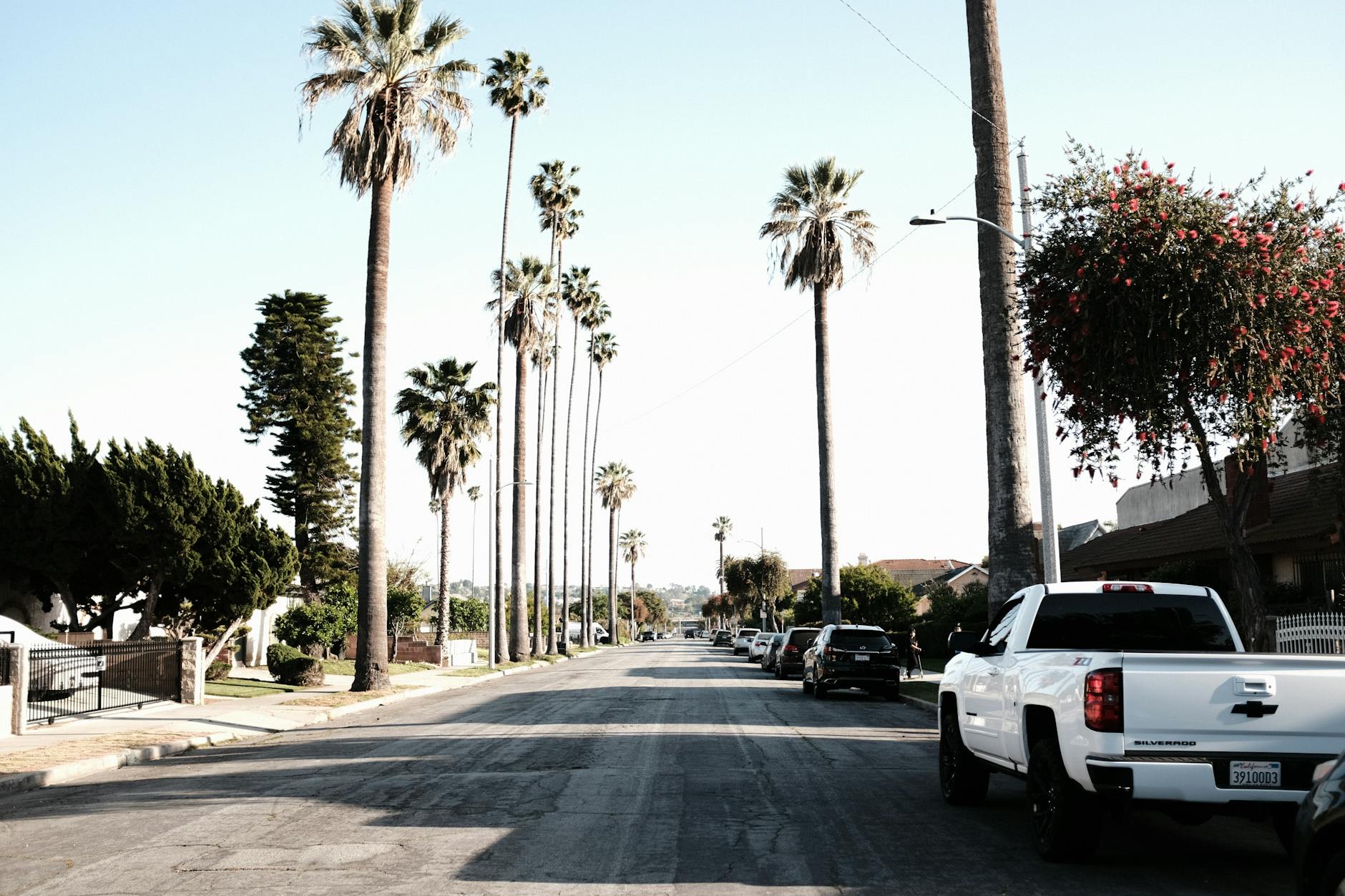
The first time Maria watched the dumpster arrive, she thought it was a misplaced shipping container. It rolled up her narrow Echo Park street like a gray whale, its steel skin catching the morning light, while a chorus of neighborhood dogs barked and a street vendor below called out the day’s coffee price. “Careful with the driveway,” she warned Luis, her contractor from Burbank, though she knew the warning was as much for herself as it was for him. The truck’s engine growled, the driver honked politely, and then the dumpster let down its gate with a metallic thud that felt like the first note in a complicated symphony.
Setup: A Neighborhood, a Project, and the Decision to Clear Out
Two months earlier, Maria stood in the house’s dim living room and imagined sunlight slicing through renovated windows. The 1920s bungalow in Echo Park had a sagging porch, a yard that had become a wild green spill, and a kitchen that belonged in a different century. She called Luis because he had the steady hands and patient laugh she wanted on the job. He drew a plan, counted tears in the plaster, and said, “We’re going to need a dumpster.”
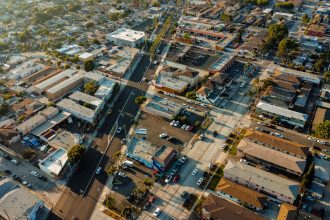
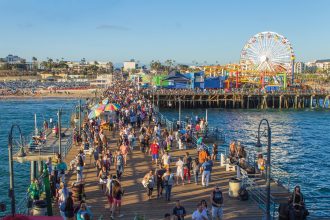
Ordering a dumpster became the visible sign that the project was real. The conversations that followed wound out across the map of Greater Los Angeles: permit lines stretched from downtown Los Angeles to Santa Monica, recycling tips pinged in a thread from a neighbor in Silver Lake, and a friendly voice from a municipal office explained parking permits for curbside placement in West Hollywood. Each phone call layered detail onto the massive, mundane choreography that a renovation in Los Angeles demands.
Rising Action: Streets, Permits, and the Tightrope of Time
On delivery day, the truck navigated past a mural in Echo Park and a line of food trucks that smelled of garlic and oil. Maria stood on the porch with a cup of coffee that had gone cold. “You’ll want a 20-yard for what we’re doing,” Luis said, measuring with hands instead of a tape measure, as if memory could substitute for exactitude. “Unless you decide to gut everything—then it’s a 30.” Their decisions were practical and emotional: every cubic yard meant a deadline, a cost, a rhythm of pick-ups and drop-offs.
There were small crises. The city’s parking office called to say a permit was required for the dumpster to sit on the public curb outside Maria’s narrow street. In Santa Monica, homeowners reported fines for dumpsters that overstayed their permit windows. In Burbank, a film production blocked an arterial street; in Long Beach, a delivery had to detour around a waterfront festival. Each detour changed timing, sometimes delayed pickup, and sometimes increased the fee. At one point Maria received a text: “We’re at the property but your neighbor’s truck is blocking access. Can you ask them?” She imagined the neighbor, Mr. Hernandez, and the way he always trimmed his roses at dawn. She walked across sun-warmed pavement to ask for a favor and found not annoyance but connection: Mr. Hernandez moved his truck, offered a piece of pie, and told Maria the story of his first house in Boyle Heights.
As the job accelerated, so did the lessons. A pile of old paint, cracked tiles, and rotted wood became a taxonomy of what could and couldn’t go into the dumpster. Luis barked practical commands: “No tires in with the drywall; those go to a special facility. Electronics—don’t mix them in. And if there’s any asbestos, stop. Call me first.” The air tasted of dust and solvent as the crew cleared the old kitchen; neighbors on the street watched and waved, like extras in a movie whose setting was simultaneously intimate and sprawling.
Key Insights Woven Into the Story
Between the metaphorical lines was actual, usable information. Maria learned the shapes of waste management in Los Angeles County by doing: dumpster sizes usually range from 10 to 40 cubic yards, with 10-yard bins suitable for small cleanouts and 20-30 yards common for renovations. If you need placement on the street, most cities—Los Angeles, Pasadena, Glendale, Culver City—require a temporary obstruction permit. In Los Angeles, that often means calling 311 or checking the Los Angeles Department of Transportation site for curb-lane permits and insurance requirements.
Weight matters as much as volume. The hauler quoted a base fee, but overloading a container triggers per-ton charges. That lesson came when the crew filled the bin with dense concrete rubble after breaking a backyard patio; the second invoice was heavier than anyone had expected. The voice from the hauler’s office explained gently: “We estimate weights, but concrete adds more. You can save by separating concrete from light debris.” It was a practical tip that turned into a habit—pile the bricks and heavy stone separately, put trim and drywall in another pile, donate salvageable fixtures.
Maria also discovered the ecosystem for reuse. On a slow afternoon she loaded a battered but solid oak cabinet into her car and drove to a Habitat for Humanity ReStore in Carson. “We see a lot from LA renovations,” the attendant said, smiling, taking in the cabinet’s weathered face. “Furniture, fixtures, even gently used windows. It’s better than a landfill.” Donation not only eased the weight in the dumpster but also cut costs and sharpened her sense of participation in a city that recycles its art, its doors, its histories.
There are rules about hazardous materials: paints with volatile solvents, asbestos-containing materials, certain batteries, and e-waste cannot go into general construction dumpsters. California’s electronics recycling laws mean old TVs, computers, and monitors require special handling. Disposal options differ across municipalities—Anaheim and Long Beach handle things slightly differently—and private haulers like Athens Services, Republic Services, and Waste Management each have their own protocols. The unifying thread was to call, ask, and plan before loading the bin.
Resolution: The Last Load and a City View
The final day of hauling felt like closing a chapter. The dumpster stood like a giant gray poem in the driveway, half-empty after the crew had made three runs: recyclables to a sorting center near Carson, metal to a scrapyard in Vernon, and the rest to a certified landfill. The truck driver, a woman named Rosa who had delivered dumpsters from Torrance to Topanga, wiped her hands and said, “Every job is different, but the feeling’s the same when it’s clean.” Luis laughed and tossed a rag into the back of his truck. Maria walked the yard and picked up small nails with a magnet, the mundane grace of finishing details.
They took one last look at the house. Where the old kitchen had been was now an empty rectangle that promised light. The neighbors gathered—some with curiosity, some with cups of sweetened iced tea. Mr. Hernandez clapped Maria on the shoulder. “It’s going to be beautiful,” he said. It was both a compliment and a benediction.
When the final invoice arrived, it was not only a list of costs but also a ledger of choices. Maria had paid for a permit to place the dumpster on the curb for two weeks, extra for an overweight load, and a small tip to the driver who had maneuvered the dumpster past a low-hanging ficus. But she’d saved money by donating salvageable items and separating materials for recycling. She had also avoided fines by securing the proper permit in time. The arithmetic of good choices—measure, plan, separate, donate, ask—had translated into both financial sense and neighborhood goodwill.
Takeaway: What to Remember and Do
If you’re planning cleanup or renovation in Greater Los Angeles, remember the story of Maria’s dumpster as a map: measure the space, choose a dumpster size that matches the project (10-40 cubic yards), and call your city to check permit rules if you’re placing it on the street. Separate heavy materials like concrete, set aside hazardous items for special disposal, and donate what you can. Ask your hauler about weight limits and tipping fees, and consider working with local reuse centers—Habitat for Humanity ReStore, Goodwill, and local salvage yards—before you toss.
More than logistics, the project taught Maria something about city life: how infrastructure and community intersect in the ordinary work of making and remaking a home. The dumpster, which at first felt like an incursion, became a signal of transformation. The neighborhood accepted and helped; the permit process nudged her toward better planning; the hauler’s expertise saved a misstep. In Los Angeles, where streets can be wide or impossibly narrow and where a delivery might be delayed by a movie shoot or a Sunday farmers market, flexibility matters. So does asking for help.
On the last evening, Maria stood on her porch as the sun sank behind the downtown skyline, turning steel and glass to a warm, burnished glow. A seagull called faintly from the direction of the ocean and someone two blocks over was playing a trumpet. The empty space where the dumpster had been felt like a stage cleared for a new scene. The work ahead was still large—tiles to choose, paint to sample—but the first hard part was done. The street smelled faintly of pavement and rosemary. Luis clapped his hands once and said, “Tomorrow we measure for the windows.” Maria smiled, not because she loved the measuring but because she recognized the rhythm of making: a series of small, steady clearings that allow whole new views to appear. The dumpster had hauled away more than debris; it had made room for light, and the neighborhood, in its pieced-together way, had watched and helped make the change.