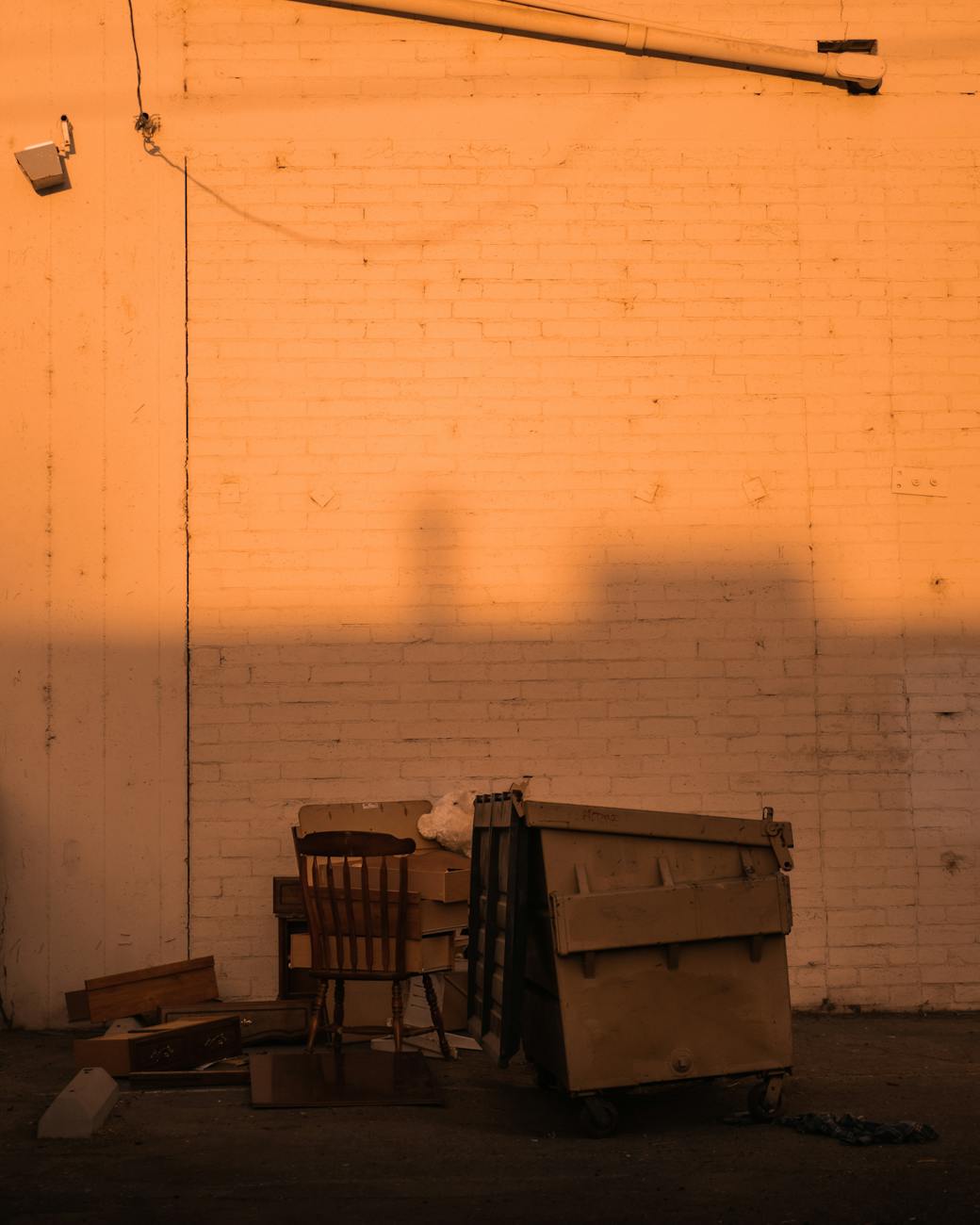
The dumpster arrived at dawn, a rusted rectangle catching the first gold of a Los Angeles morning. Marisol stood on the porch of her 1920s bungalow in Silver Lake, coffee cooling in her hand, as the truck’s engine hummed and the driver nudged the dumpster into the narrow curb. A neighbor from across the street called out, ‘Is that going to stay there all week?’ The question hung in the air with the smell of sawdust and street tacos from the corner, and for a moment the city felt like a stage where everyone watched to see how a small renovation would ripple through alleys, rules, and lives.
Setting the Scene: A City of Hills, Beaches, and Busy Streets
Los Angeles doesn’t do quiet. From the siren-slicked mornings of Downtown to the salt-breezed avenues of Santa Monica and the art-studded lanes of Venice, the city is a mosaic of neighborhoods and regulations. Each district – Echo Park, Pasadena, Burbank, Culver City, Long Beach – has its own rhythm and challenges. In Silver Lake, where Marisol’s story begins, streets rise and fall like a slow heartbeat, lined with stairs, Spanish-tiled roofs, and narrow curb sides that test the patience of delivery drivers and city inspectors alike.
Marisol was not a contractor. She was an elementary school teacher with a plan: gut the kitchen, open a wall to the backyard, and finally get rid of the decades of accumulated clutter that made her mornings feel heavy. She called Oscar, a local roll-off operator recommended by a friend in Echo Park. ‘We can get a 15-yard or a 20,’ Oscar said when she asked. ‘But if you’re taking down a wall, add more. You don’t want to run out and pay for a swap mid-project.’ His voice had the easy rhythm of someone who’d seen every kind of LA renovation drama.
The Rising Action: Size, Streets, and Surprises
Choosing the dumpster size felt like a minor plot twist with real stakes. Too small and it meant extra fees and stress; too big and it would swallow the curb and earn frowns from neighbors and the HOA. Oscar quoted a flat rate with a per-ton overage, the kind of transparency Marisol appreciated. She picked a 20-yard roll-off, imagining a tidy pile of debris. The truck driver, Jorge, squinted up the street and muttered, ‘We should get a permit if you want it on the curb. The city doesn’t love random dumpsters in front of apartments.’ Marisol had assumed permits were for large construction sites only; she learned, fast, that even a single family remodel could require a curb permit from the City of Los Angeles or a call to the local municipal office when public right-of-way is involved.
The real tension arrived three days later when a thunderstorm swept through the region, an event as rare as it felt dramatic. Rain sluiced down the hills and turned the drywall and plaster into heavier, sludgy loads. ‘This stuff gains weight with water,’ Oscar warned over the phone. ‘We might hit the max weight and then it’s extra.’ The kitchen demolition had created a patchwork of drywall, tile, old plaster, and sheared copper piping, all of which rinsed and compacted into a denser, pricier pile.
Then came the knock at the door. It was Mrs. Huang from next door, holding a municipal notice. ‘They say dumpsters on our street need a permit by the end of the week or the truck could be ticketed,’ she said, frowning. Marisol felt the city tighten around her small project like a lens focusing a story into sharp lines.
Key Insights Woven Into the Story
Marisol’s anxiety became an education. She started asking questions aloud as she moved through decisions, and Oscar, Jorge, and a volunteer from a local reuse center answered with the kind of practical detail she could use. Here are the insights that came out of conversations, rain-soaked piles, and phone calls with city staff.
First, know your dumpster types. Roll-off dumpsters come in sizes typically between 10 and 40 cubic yards. A small patio remodel might need 10-12 yards, a kitchen or garage demolition often 20 yards, while major remodels and cleanouts might need 30-40 yards. Access matters: narrow alleys and steep hills common in Mount Washington, Burbank, and parts of Pasadena can limit the truck’s ability to place large bins.
Second, permits often matter. If the bin will sit on public property – a curb lane or sidewalk – most Los Angeles-area municipalities require a permit. That permit process can involve a fee and a requirement for traffic protection cones or signage. ‘Call the city before the truck comes,’ Jorge said. ‘It saves headaches.’
Third, sort before you toss. Separating wood, metal, concrete, and reusable items reduces weight and fees. Marisol set aside old appliances, vintage cabinet hardware, and functioning windows. ‘I can take that to Habitat ReStore,’ said a volunteer from Highland Park, ‘and it might help someone renovate on a budget.’ Donation options like Goodwill and nonprofit building-material exchanges helped keep useful items out of the landfill.
Fourth, hazardous materials are not allowed in typical dumpsters. Paints, solvents, asbestos-containing materials, fluorescent tubes, and batteries need special handling at hazardous waste drop-off centers. Oscar added, ‘We get surprised by old mercury thermostats and paint cans. Those have to go to specific facilities.’
Finally, timing is everything. Weekends and late afternoons are busy times for removals in West Hollywood and Venice. Booking ahead and planning the dumpster drop for early morning minimized traffic snarls and the chance of ticketing.
Conflict and Community: Negotiating Streets and Sensibilities
A minor neighborhood coalition formed. Mrs. Huang and two other neighbors wanted to ensure emergency vehicles could still get down the block; a local artist feared the dumpster would block her mural. Marisol hosted a brief coffee on her steps and explained the timeline, the donation plan, and how she was applying for a permit. ‘We all have projects,’ she told them, ‘but we can make sure they don’t become headaches.’ The artist agreed to let the dumpster stay if solar lights were placed around it so the mural’s corner would be visible at night.
There was also an economic lesson. When Oscar arrived to remove the full bin, he weighed it and there was a surcharge for wet plaster. But because Marisol had separated metals and old plumbing into a pallet, those materials were recycled separately, reducing the final bill. ‘You played it smart,’ Oscar said, tapping the side of the truck like a carpenter testing wood. The satisfaction of avoiding waste felt almost domestic, the way a good recipe yields leftovers that become tomorrow’s lunch.
Resolution: A Neighborhood Transformed
Three weeks after the dumpster first arrived, the curb was clean. The kitchen had a new light and wider doorway that invited the backyard into the living space. Marisol hosted a small gathering to celebrate: tacos from the corner vendor, a playlist of low-fi LA nights, and neighbors who had once peered from windows now sitting on folding chairs, laughing. The dumpster’s absence felt like the final tidy line of a completed chapter.
More than the physical change, Marisol had discovered how to navigate LA’s environmental and municipal landscape. She’d filed the permit, coordinated with a reuse center for salvageable goods, separated hazardous waste for proper disposal, and learned to schedule deliveries around the city’s pulse. She’d also saved money by diverting recyclable materials and avoided fines that might have cost more than the permit itself.
Takeaways: Practical Steps from a Personal Story
If you’re planning a cleanup or remodel in the Greater Los Angeles Area, remember Marisol’s journey as a map for your own. Here are clear, usable steps distilled from the story:
1. Choose the right size: Estimate cubic yards based on project type and add a margin for heavy materials and weather-induced weight gain.
2. Check permits early: If the bin will occupy a curb, sidewalk, or public right-of-way, contact your city or neighborhood council. Los Angeles and surrounding cities often require permits and may request traffic protection.
3. Sort and donate: Pull out reusable items early. Donate appliances and fixtures to nonprofits or resale centers before they get covered in dust.
4. Avoid hazardous materials: Identify paints, solvents, batteries, and asbestos-containing materials and arrange for proper hazardous waste disposal through municipal programs.
5. Book smart: Reserve your dumpster well in advance of peak renovation periods and coordinate drop-off times to reduce street disruption.
6. Communicate with neighbors: A quick conversation or a printed timeline can defuse frustration and build support. Small gestures, like leaving a neighbor’s parking space clear, go a long way.
The last scene of Marisol’s story is quiet and pictorial: the sunset spilling like honey across her clean curb, the emptied driveway reflecting a sky that felt newly available. The renovation was not just about countertops and cabinets. It was about learning to move through a city of rules and resources, about finding community in shared concerns, and about making small choices that keep a big city’s waste from turning into someone else’s problem. As the porch light flicked on, Marisol stepped outside, inhaled the cool evening air, and realized that sometimes the biggest part of any project is the conversation you have along the way.
The takeaway is simple: in Los Angeles, dumpster removal is not just hauling away junk. It is a practice that blends logistics, civic responsibility, and neighborhood diplomacy. Do it with planning, communicate with care, and the city will feel more like a shared canvas than an obstacle course.