The first sound was the low rumble of a diesel engine, like a distant thunder warning that something important was about to arrive. Maria stood on the cracked concrete of her Echo Park driveway, dust clinging to the hem of her jeans, and watched the truck ease around the corner. In the back of her mind she kept hearing the city planner’s voice: the community fundraiser starts in two days. ‘We can’t have piles of junk where the kids will be setting up booths,’ he had said. Now the roll-off container’s shadow stretched across her lawn like a promise.
Setting the Scene: A City of Neighborhoods and Narrow Streets
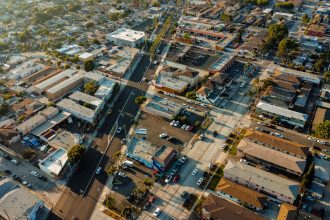
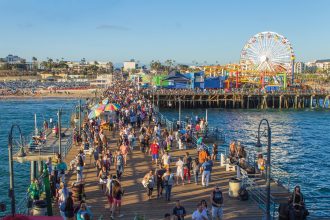
Greater Los Angeles is a collage of streets that can shift from sun-soaked boulevards to tight, eucalyptus-lined lanes in the span of a few blocks. From Santa Monica’s salty breeze to the baking sidewalks of North Hollywood, every neighborhood tells its own weathered story. Where Maria lives in Echo Park, homes crowd close together, palm trees and sycamores compete for light, and parking is a currency. The city feels alive at the margins: construction crews moving in and out, artists hauling canvases, families clearing out decades of possessions. She called the local hauler after the contractor estimated three truckloads of debris from a kitchen remodel and an attic purge.
Rising Action: Deadlines, Obstructions, and the Scent of Possibility
When the truck arrived, it wasn’t as simple as dropping the dumpster and walking away. The hauler paused, engine idling, eyes tracing the branches that overhung the driveway. ‘We need just enough room to set it down and angle the truck,’ said Luis, the driver, his hands folded over the steering wheel, veins visible under warm skin. He stepped out, the sun reflecting off his safety vest, and measured with a practiced glance. ‘And did you file for a permit?’ he asked.
There was a brief silence. Maria admitted she hadn’t. The nearest curbside was painted red for commercial loading, and the neighborhood association had strict rules about blocking sidewalks. ‘We can do it, but permits mean the city won’t tow it, and we avoid fines,’ Luis explained. His voice was calm, but there was urgency in the way he tapped the clipboard. He called in a permit clarification to his dispatcher while a toddler next door chased a ball across the sidewalk, scattering dust and laughter.
These details, trivial until they’re not, are the thin wires that can snap a plan. In Venice, steep alleyways and pedestrian crowds can make access impossible without a smaller mini dumpster. In Burbank and Glendale, historical districts often require additional protections when dumpsters are placed near older facades. In Long Beach, oversized loads can mean a trip to a different transfer station altogether. Every city within the sprawl has its own regulations, and a good hauler knows when to bend strategy to match place.
Key Insights Woven into the Story
As Luis and his team set the container down—maneuvering around a decorative fountain and a mailbox—the conversation turned to practicalities. ‘We use 10, 20, and 30-yard roll-offs mostly, sometimes a 40 for big demolitions,’ he said, opening the metal lid so Maria could visualize the volume. He pointed to a card with weight limits. ‘Concrete and dirt are heavy. You hit the tonnage cap, and the price jumps. Keep bulky light things like drywall and wood separate when you can. And don’t put hazardous materials inside. Paints, batteries, tires? Those have to go to special drop-offs.’
Maria listened as Luis explained the wide canvas of disposal in Los Angeles County. He mentioned transfer stations in Vernon and Puente Hills, recycling centers in Carson, and the city-run household hazardous waste centers in Culver City and Chatsworth. ‘California’s rules mean we separate green waste, recyclables, and construction debris at the lot sometimes, or at the facility later,’ he said. ‘It helps that LA has been pushing hard on recycling and composting programs. It saves money and keeps things out of landfills.’
For Maria, it was eye-opening. She had been picturing a monolithic dump truck whisking everything away to anonymity. Instead, she learned the choreography: sorting, weighing, permits, tip fees, and sometimes a change in plan when a narrow street or an HOA rule got in the way. ‘And one more thing,’ Luis added with a half-smile. ‘Never let anyone tell you that leaving junk on the curb is okay. Illegal dumping carries fines, and it makes neighborhoods uglier. Call the hauler, and if it’s complex, ask for a site visit.’
On-the-Ground Decisions: Sizing Up the Dumpster
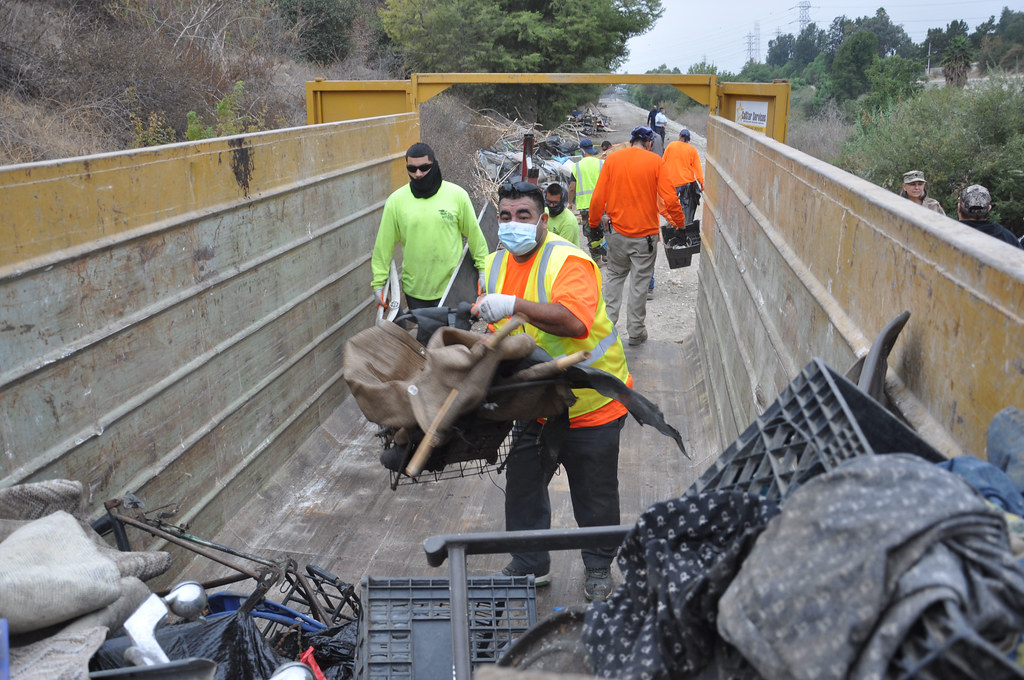
The team began loading. Maria watched the rhythm—the thunk of old cabinets, the sigh of insulation, the scrape of tile. Neighbors paused, drawn to the sudden industriousness. Across the street, Ken from the townhouse complex called out, ‘You guys need help moving that cast-iron tub?’ He laughed, but his hands were steady and his smile quick. ‘I’ve been through three remodels.’
Choosing the right dumpster is as tactile a decision as it is technical. The 10-yard unit is handy for garage clean-outs and small renovations; the 20-yard sits as the workhorse for many home projects; the 30- and 40-yard containers answer the call for major demolitions. Weight is the invisible variable. A yard of mixed construction debris might weigh far less than a yard of concrete. In Santa Monica or Pasadena, where older homes carry denser materials, a-haul companies often advise lighter, more frequent hauls to avoid overweight fines.
Tension and Triumph: Weather, Permits, and Community Pride
Midday heat pressed down like a lid as they filled the dumpster. Sweat stung in Maria’s eyes when the team pulled out an old mattress heavy with memories and the scent of attic dust. ‘This belonged to my grandmother,’ she confessed, touching the frayed edge. ‘I don’t want to just throw it away.’ Luis nodded and called a mattress recycling center that could pull out the springs and foam. ‘We try to recycle when it makes sense. It helps you and it helps the city.’ He folded the spring out like a small ritual, as if releasing the memory carefully instead of discarding it.
By late afternoon, the decision on the permit came through. The hauler had secured a temporary street-closure permit for two days, which allowed the dumpster to stay. Neighbors had flocked to help move heavy pieces into the container, bringing cold water and homemade lemonade. Someone strummed a guitar. The fundraiser table that had threatened to be ruined by junk started to look viable again, a place where banners could be hung and food truck orders taken.
Practical Tips Hidden in a Narrative
The story spells out everyday wisdom for anyone facing a similar cleanup. Book early, especially in busy months like spring and late summer when construction is hot. Know your city’s rules—Santa Monica, West Hollywood, and Downtown LA may have different signage and permit processes. Ask about weight limits and tipping fees, and request a written estimate that outlines size, duration, and any overage charges. If a job includes hazardous materials, request a separate hazardous waste handling plan. Consider recycling and donation options for furniture and appliances; Goodwill, Habitat for Humanity, and local thrift stores can often take gently used items. Get photos and a site sketch to speed permit approvals when alleys and tight driveways complicate placement.
Resolution: When the Last Piece Is Lifted
At dusk, the crew rolled up the tarp and took a final inventory. A neighbor’s teenage daughter, who had been sorting old vinyl records, hugged a stack and then gently set them into a donation box Luis had requested. ‘Feels good,’ she said, dust motes twirling around her like tiny planets. The truck’s engine sang as it reversed and took the roll-off up the street. Maria stood in the warm puddle of light from the porch lamp and inhaled. The air smelled of citrus from someone’s tree, soap from the lemonade, and the faint residue of sawdust—work done.
The fundraiser the next day went off without a hitch. Children darted between booths, laughing. The community tent was clean and inviting, and people kept remarking on how different the street looked. Maria walked past the spot where the dumpster had been and felt a small, private satisfaction. The job had been more than hauling trash away; it had been a restoration of space and pride.
Takeaway: What to Remember and What to Do
Los Angeles moves fast, but its neighborhoods move faster. When you face a cleanup or renovation, remember to plan: choose the right dumpster size, confirm permits, avoid placing hazardous materials in the container, and talk with licensed haulers about recycling and weight limits. Know your neighborhood’s quirks—Echo Park, Silver Lake, Hollywood, Culver City, Inglewood, Burbank, Glendale, Pasadena, Santa Monica, and Long Beach all have distinct rules and access challenges, and a good hauler will tailor their approach accordingly. Finally, think of disposal as part of a larger civic duty: keep streets clean, donate what you can, and dispose of hazardous items responsibly.
As the sun sank behind downtown, painting the palm silhouettes a deep indigo, Maria sat on her porch and watched the city lights blink on one by one. The driveway was clean, the fundraiser sign swung in a gentle wind, and in the distance the sound of traffic braided with conversation. There was a small, satisfying crunch as she stepped on a piece of gravel that had been uncovered during the cleanup, and for a moment it was just the sound of a neighborhood settling back into itself. The dumpster was gone, but the care it represented stayed—a reminder that even in a vast city, thoughtful removal and community effort can make space for what matters.