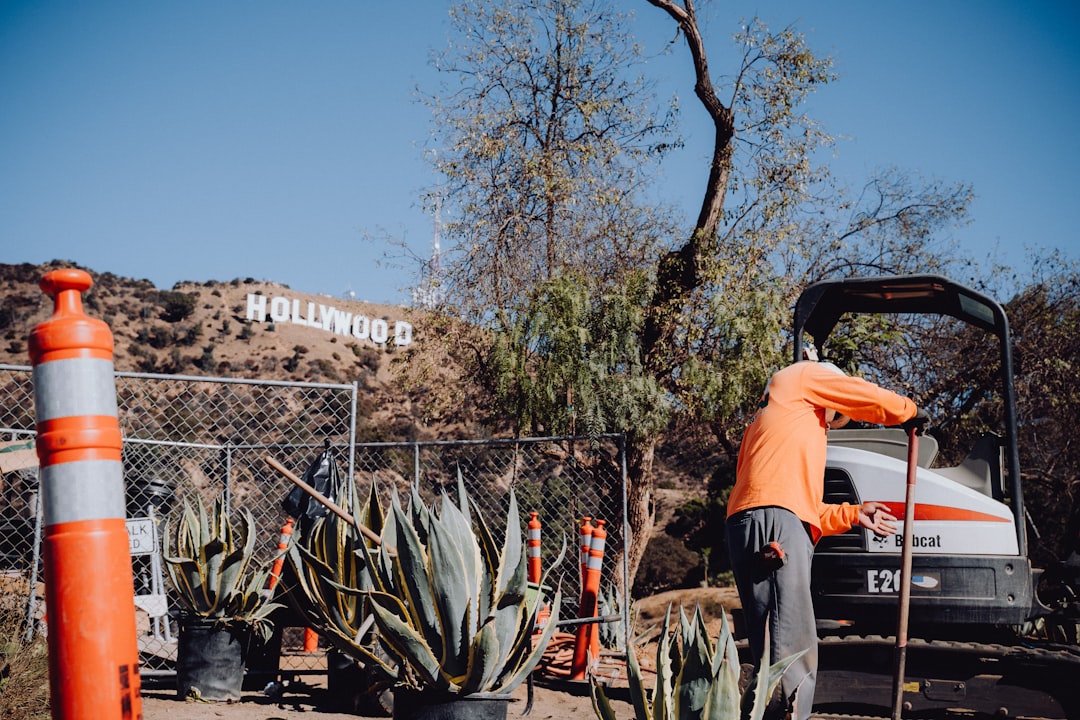
The first time Maya saw the mountain of plaster and broken tile stacked in her driveway, she thought of a tidal wave frozen in time. It smelled like wet drywall and citrus—old paint and the lemon cleaner she’d used last week. Across the street, a neighbor watered her bougainvillea and squinted at the unfolding chaos: a bright blue roll-off dumpster sitting like an awkward monolith between the eucalyptus and the curb.
A Morning in Echo Park
It was 8 a.m., and the sun hit the rooflines of Echo Park with a forgiving clarity. Workers chatted with coffee in hand, a truck rumbled up from Sunset Boulevard, and the city, as it often does, felt both intimate and enormous. “We need a 20-yard,” Miguel, the foreman, told Maya, his voice calm but precise. “Traffic and the stairs in the back will make a 30 a headache. And we’ll need a street permit if we put it on the curb.”
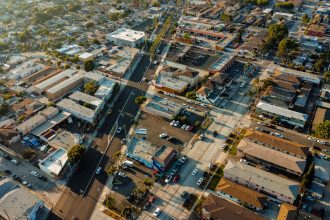
Maya had bought the 1920s bungalow with a head full of plans: a kitchen that breathed, a bathroom that stopped leaking, a backyard where her daughter could chase light instead of flies. She’d imagined the reveal, the beautiful before-and-after photos on her phone. She had not imagined the clatter of demolition nor the choreographed ballet that is dumpster removal in a city that stretches from Santa Monica to San Pedro, from Burbank to Long Beach.
The Setup: Calling in the Experts
She called three companies before noon. One quoted a flat price and a vague promise of recycling. Another offered same-day service but wanted the dumpster in the alley. The man she chose was named Raul; he operated a small, family-run service based out of Wilmington but claimed knowledge of every permit office from Culver City to Pasadena.
“We do it all—residential, construction, estate cleanouts,” Raul said, his accent wrapping the words in ease. “But every neighborhood in LA has its own rules. West Hollywood will ask for a different permit than Torrance, and Long Beach has transfer station quirks. You don’t want surprises on pickup day.””)
Rising Action: The Tangled Rules of the Road
Within a week the project had legs: permits were requested for a curb-side placement, the delivery window was narrowed to a three-hour block because of traffic on the 101, and a neighbor named Mr. Alvarez left a polite, handwritten note asking that the dumpster not block his driveway during his afternoon dialysis visits.
At 2:00 p.m. on a Thursday, a pair of city inspectors arrived like small, official storms. They measured the curb cut and scrutinized the street tree. “We’ll need written consent from the homeowners association if you’re putting it in front of a property on a homeowners’ lane in Pasadena,” the inspector noted. Maya’s stomach did an odd little flip. Papers multiplied, and suddenly the rhythm of demolition was punctuated by forms and local ordinances.
The tension wasn’t melodrama; it was logistics rendered human. Los Angeles is a patchwork of municipalities—each one a kingdom with its own code. Glendale’s permit office had different timing than Santa Monica’s; Inglewood’s enforcement left room for negotiation but required insurance documents. Maya learned to time her breath between the clatter of the jackhammer and the ring of her phone.
Key Insights Woven Into the Story
Between the interruptions, Miguel and Raul taught Maya what every homeowner in greater Los Angeles must know. “Dumpster sizes are about more than volume,” Miguel explained while he tossed a bundle of scrap copper into the bin. “A 10-yard fits a small cleanout—like when Mrs. Park on the corner renovated her guest bathroom in Silver Lake. But if you’re gutting a kitchen, a 20 to 30-yard roll-off is better. A 40 is for whole-house jobs or big remodels in places like Northridge.””)
He showed her the lip of the dumpster and the weight-graded sticker. “You can fill it with heavy stuff—tile, concrete—but the price will change. There are tipping fees at the transfer station, and each city’s rules about hazardous waste are strict. Paint thinners, solvents, asbestos—those can’t go in a regular bin.”
Education arrived as practical advice: how to load to maximize space (flat shelving first, fragile items last), why to separate green waste for composting crews, and when to call the city’s hazardous waste program for old oil and chemicals. Maya watched as a neighbor from Silver Lake wheelbarrowed an old mattress into the dumpster. “Mattresses sometimes have special pickup days,” Raul said. “If not, we can schedule a separate pickup to take them to a facility that recycles the springs and foam.”
Across Town: A Short Road Trip Through LA’s Practices
The narrative stretched geographically as Raul drove Maya’s debris map across the region in conversation. “Downtown LA has narrow alleys; sometimes we have to get a labor permit to carry things further than 50 feet. In Santa Monica, they care a lot about diversion rates—how much material you recycle. Long Beach has great recycling programs for concrete. Burbank and Glendale can be picky about hours of operation—no early morning pickups near studios.””)
These were not abstract laws. Each rule shaped the smells, the sounds, the pace. At one stop, a worker in West Hollywood carefully stacked reclaimed wood so it could be donated. At another, in Harbor City, a different crew separated copper and wiring for recycling. Through it all, Maya learned a phrase she typed into her phone like a new incantation: ‘diversion rate’—the percentage of waste kept out of landfills.
Personal Stakes: A Neighbor, a Noise Complaint, and a Surprise
As the dumpster filled, Mr. Alvarez’s note grew into a polite conversation. He’d been skeptical at first—”Another loud week,” he muttered—but returned the day a truck arrived to exchange the bin and handed Maya a small plate of lemon cookies. “Enjoy them,” he said. “My wife says renovations are the price you pay for progress.””)
Progress sometimes arrived with a surprise: a discovery of old, crumbling lath behind the plaster that hinted at asbestos in a house built long before regulations. A stop-work order from a Pasadena inspector created a pause long enough for Maya to remember why she was doing this: not the photos or the housewarming, but the quiet morning she imagined her daughter reading by a window that finally didn’t leak.
How to Choose a Dumpster Company—Lessons Learned
Raul sat Maya down under the shade of the eucalyptus and listed what to ask before signing: insurance and liability coverage, weight limits and overage charges, whether the company sorts for recycling, who is responsible for permits, and how they handle prohibited items like tires or old electronics. “Ask about the transfer station they’ll use,” he advised. “Some places take more of your load to recycling centers; some just deliver it to landfill.””)
Maya began to understand the tradeoffs. A cheaper quote might land her in a chain of hidden fees; a high diversion rate might satisfy her conscience but cost time and labor. She negotiated pick-up windows to avoid rush-hour gridlock on the 405, and she posted a sign on the curb with a schedule so neighbors knew when the trucks would come and go.
Resolution: The Day the Dumpster Rolled Away
On the last day, the dumpster looked smaller than it had in the first frantic mornings. Maybe it was because the house was new to her eyes—walls patched, the kitchen box emptied and waiting for light—or maybe the sun had simply shifted, painting everything in a kinder glow. The truck arrived, the chains clinked, and Raul’s crew sorted the load again: wood to the reuse pile, metal to recycling, a small bag of hazardous stain to be taken to a special facility in Torrance.
“You did good,” Miguel said, wiping his hands on a rag. Maya felt the relief like a warm cloth around her shoulders. The curb, once an unwelcome stage, became a clean threshold. Mr. Alvarez waved from his window. The lemon cookies were gone.
Takeaway: What to Remember and Do
In the end, Maya’s story isn’t just hers. It’s every homeowner navigating the weave of Los Angeles neighborhoods: the permit offices of Santa Monica and Culver City, the recycling priorities of Long Beach, the scheduling prudence required near studio lots in Burbank and Hollywood. The practical lessons are simple and hopeful.
Plan the dumpster size for the job, but plan for weight too. Ask about tipping fees and who secures permits. Separate hazardous items; recycle when you can. Communicate with neighbors and post a schedule. Consider a company that prioritizes diversion, and ask where your waste will end up. A good provider will be transparent about transfer stations and recycling partners from downtown LA to the San Pedro ports.
Maya’s house is not a before-and-after photo in a glossy magazine yet. It’s a living thing that smells of teak oil and fresh paint, a house where a dumpster once stood and now stands empty in memory. The city hums beyond the block—buses, a plane cutting the blue, a dog barking on a distant lot in Silver Lake—but in her kitchen, there’s space. A morning sunlight slice lands on the new counters like a benediction.
When the truck drove away for the last time, it left a faint scent of diesel and hot metal in the air. Maya lingered on the curb, feeling the rough pavement under her fingertips and watching a gull fly over the hills toward Santa Monica. The house felt possible. The dumpster had been a tool, an imperfect, noisy, bureaucratic instrument that cleared the way for something quieter and more human.
She closed the door and heard her daughter’s laughter in the backyard—the real, small sound that had been waiting beneath the rubble the whole time.