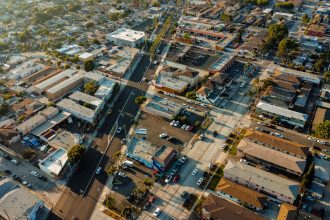
They say Los Angeles is a city of reinvention, and on a sticky June morning in Echo Park, Maya found herself reinventing more than her living room. The old bungalow had given up decades of wallpaper, cabinets swollen with time, and a backyard that looked like a small landfill after a storm. She stood on the sidewalk, the salty tang of the L.A. basin in the air and the distant hum of traffic from the 101, cradling a phone and staring at the heap of plaster, tile, and memories. ‘How do you get rid of all this without it becoming someone else’s problem?’ she asked aloud, and in that small question began a neighborhood-level lesson in dumpster removal across Greater Los Angeles.
Setup: The Characters, the City, and the Mess
Maya wasn’t alone. Her contractor, a wiry man named Ramon with sun-cracked hands and a calendar of jobs from Santa Monica to Carson, offered a wry smile. ‘You need the right box, the right permits, and the right crew,’ he said. They called a local hauler based in Long Beach; Luis, the driver, answered with a tone that suggested he had seen a thousand bungalows and more than his share of Mount Rubble. ‘We’ll bring a 20-yard,’ he said. ‘That’ll swallow the kitchen and the deck.’
The greater Los Angeles backdrop mattered. Streets change from the canyon-lined residential lanes of Glendale to the wide, sun-baked avenues of Inglewood; each municipality treated curbside dumpsters differently. Maya learned that a driveway drop-off could avoid permits in Culver City, while a curbside placement in West Hollywood would require a parking permit from the city. The smell of sawdust mixed with car exhaust as a sculptural pile of drywall sat waiting like an island in a sea of stucco houses.
Rising Action: Complications, Curiosity, and a Neighbor’s Complaint
Things rarely go smoothly in stories worth telling. The 20-yard arrived, a hulking gray rectangle with ‘Harbor Haul’ stenciled on its side. Luis and his partner lined the driveway with plywood to protect the aged concrete and started unloading. Neighbors peeked over fences — Mrs. Patel from down the block with her morning coffee, a skateboarder from Silver Lake who stopped to ask about salvaging the vintage sink. The rhythm of clanking metal and the scent of new paint filled the block.
Then a parking enforcement officer appeared. Someone from the homeowners association in the next street had called, worried the dumpster would block sightlines at the corner of Sunset and a narrow cross street. ‘You need a permit if it touches the curb,’ the officer said, flipping through a smartphone. Ramon frowned. ‘We can slide it forward onto the driveway, protect the curb, and call the city for a temporary permit.’ The paperwork would take time. Time was money; demolition had already eaten through the schedule.
As Maya watched, a small drama unfolded that felt quintessentially Angeleno: a dispute about space and priorities, played out against palm trees and powerlines. It wasn’t just about a metal box. It was about a city negotiating the logistics of change, household by household.
Key Insights: Practical Lessons Woven into the Scene
The educational parts of the story arrived as they often do—through necessity and conversation. Luis talked as he worked, hands skinned from years of moving heavy loads. ‘First, size matters. A 10-yard fits a garage cleanout; 20 is the renovation sweet spot; 30 or 40 if you have a big demo. But don’t overbook it — you pay by the yard and by the ton.’ He gestured to a stack of ceramic tile. ‘Tiles are heavy. You can reach your weight limit fast.’ In Long Beach and Carson, where demolition of older structures is common, companies often quote aggressive weight thresholds to avoid surprise fees.
Maya learned about permits. ‘Los Angeles’ Bureau of Street Services handles on-street dumpster permits in many ZIP codes, but cities like Santa Monica, Beverly Hills, and Glendale have their own rules. If it sits on the street, you usually need a permit and traffic protection—cones, signs, maybe even barricades if it’s on a busy lane.’ Luis advised on alternatives: ‘If you’ve got a wide driveway or a private lot, put it there. If not, we can help with the permit application, but it takes a day or two in some places.’
The talk turned to environmentally responsible disposal. ‘We try to divert as much as we can,’ Luis said. ‘Metals, wood, green waste—those often go to recycling. In places like Santa Monica and Venice, city ordinances push for higher diversion rates. Hazardous items—paint, solvents, asbestos—must be handled separately.’ Maya remembered the old can of lead-based paint she’d found in a closet. ‘So you can’t just toss everything in?’ she asked. ‘No. Illegal dumping or mixing hazardous waste can lead to fines and more expensive remediation.’ Rita, a volunteer from a local reuse nonprofit who had shown up with coffee and an eye for salvage, chimed in: ‘If it’s in good shape, donate. Habitat ReStore in Pasadena or local salvage shops in Echo Park or Downtown LA will take kitchen fixtures and tiles.’ The dumpster became a node in a larger circular economy.
Scene: The City Shapes the Task
Later that afternoon, as the sun slanted toward the hills and the light took on the golden hue Angelenos prize, Maya walked the pile. She found the old brass doorknob that her grandmother had once polished on holidays and a cracked subway tile that looked like something a thrift store might turn into art. She overheard neighbors discussing the logistics as if it were a small community theater production: ‘They should have called that crew in Burbank; we used them last summer and they were fast,’ someone said. Another replied, ‘Did you know in Torrance they charge extra for weekend drop-offs?’ The conversation itself was a lifeline—advice traded like small currency.
Ramon explained the finer details of pricing. ‘There’s the flat dumpster fee, then disposal by weight, and sometimes portal-to-portal charges if we have to move locations. If you give us a flexible window, we can often schedule pickups around traffic or busy city events—parades in Downtown, street fairs near Hollywood Boulevard, or film shoots that shutter a lane for a day.’ Maya found it fascinating: a web of logistics, local ordinances, and human schedules all woven together.
Turning Point: A Last-Minute Challenge
On the third day, a storm cell—rare in June but dramatic when it arrived—rinsed the city. Rain turned the pile into a soggy, heavy mess. The added water weight meant the hauler’s initial estimate might not hold. ‘We’re going to need to re-evaluate,’ Luis said, squinting at the sludge. ‘Water adds weight and can make materials hazardous if mixed with certain chemicals. We’ll separate what we can, tarp the rest, and get another roll-off if needed.’ There was a palpable pause—another expense, another delay. Maya felt the familiar curl of anxiety in her chest.
Then Mrs. Patel knocked on the gate. ‘My cousin’s coming by with a van; he can take the usable lumber.’ Suddenly the problem that felt like it might explode into fines and fees softened into community action. Someone took the salvaged tiles; a young artist from Silver Lake collected a stack of old picture frames. Between the hauler, the contractor, and the neighborhood, they reduced the load and the cost. A small thrift exchange sprouted beneath a palm tree.
Resolution: Cleanup, Compliance, and a Little Grace
By the end of the week, the last of the debris was loaded. The driver closed the dumpster door with a reverent thunk and checked his manifest. He handed Maya a receipt with a breakdown: dumpster fee, tonnage, diversion credits, and a note about donated items. ‘You did better than most,’ he said, ‘You separated, donated, and avoided any hazardous mix.’ Maya looked at the broom-swept driveway, feeling the kind of relief that comes when a heavy task is completed. The street looked the same, and yet different. The bungalow had been stripped down and was ready to be rebuilt. Passersby no longer slowed down to peer; the curb had gone back to being simply a curb.
There was another, quieter resolution. The process had turned neighbors into collaborators. A small pile of reclaimed tiles found a buyer in Echo Park, three lamps were donated to a charity in Long Beach, and the contractor arranged for green waste to go to a composting facility in Torrance. The city had not fined them; the permit had been secured retroactively after a courtesy call to the Department of Public Works. It wasn’t seamless—there were extra charges and a bit of rain—but it had been handled with care and a dose of local know-how.
Takeaway: What to Remember and Do
When you face a mountain of debris in Greater Los Angeles, a few practical takeaways will save you time, money, and headaches: choose the right size dumpster for the scope of work; check local permit rules for each city — Downtown LA, West Hollywood, Santa Monica, Beverly Hills, Pasadena, Glendale, and others all have nuances; protect driveways with plywood; separate recyclables and hazardous materials; ask about diversion practices and donation options; and confirm weight limits to avoid surprise fees. Work with a hauler that understands the patchwork of municipal rules across Los Angeles County and can navigate them for you. And whenever possible, look for opportunities to salvage and donate—old fixtures, vintage tiles, and usable lumber can find homes that keep them out of landfills.
Maya leaned against the front porch as dusk fell, the city lights beginning to prickle on like a constellation. Somewhere beyond the hills, the ocean breathed, and the city—messy, sparkling, relentless—prepared for another day. Ramon locked the gate and clapped Luis on the shoulder. ‘Good run,’ he said. Luis nodded, the truck idling low as the city exhaled. ‘Same job tomorrow, somewhere else,’ he answered. Maya closed her eyes and imagined the bungalow with new windows and a kitchen that would laugh again with family dinners. For now, the street was quiet, the dumpster gone, and the pile reduced to memory.
In Los Angeles, every renovation is a small story of negotiation with space, regulations, and community. The metal box that ate the mess had been far more than a container; it had been a pivot point where neighbors negotiated, workers educated, and waste transformed into opportunity. The final image—a tape-swaddled stair, a reclaimed tile shimmering in the fading light, and the empty driveway—stayed with Maya. The city around her was vast and complicated, but for that week, it had felt like a neighborhood: imperfect, helpful, and alive.
Outside, the horizon gleamed with the last citrus of sunset. The bungalow exhaled freshly swept air into the quiet street, and somewhere a truck rolled away toward Long Beach, carrying pieces of a story that would return as new life in other homes. The night closed soft as a tarp, and the city continued, one careful removal at a time.