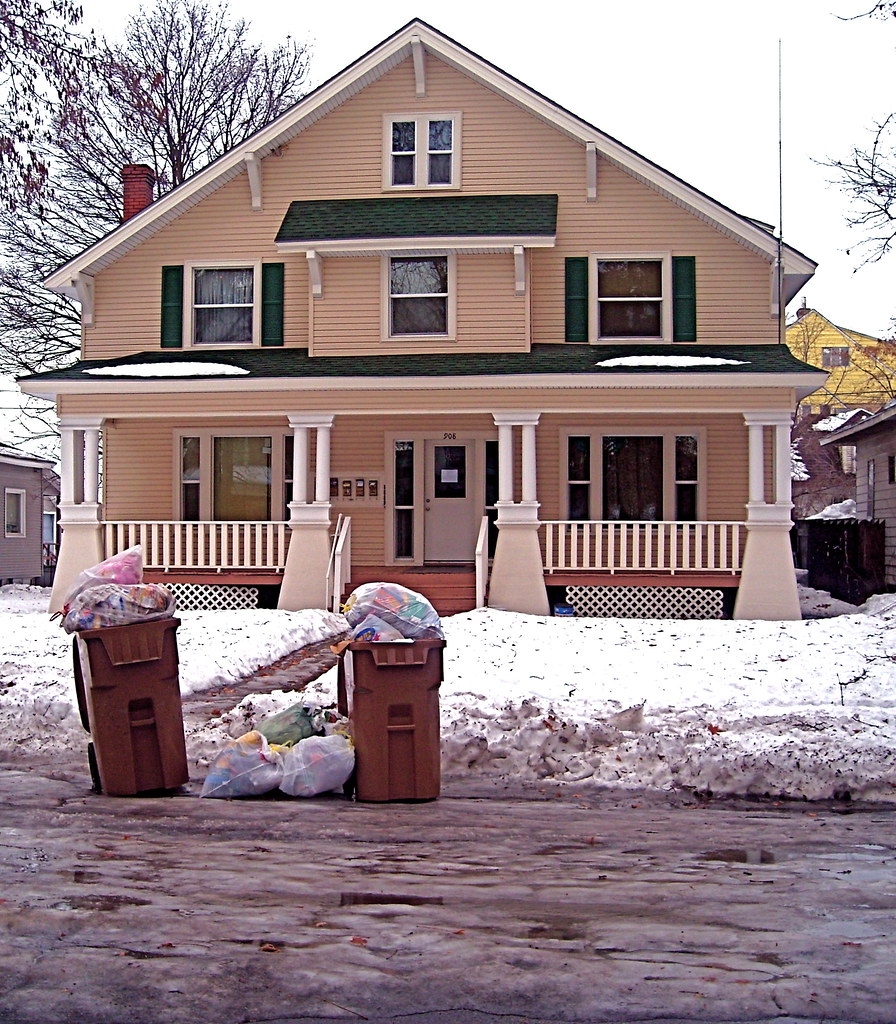
It started the way most good stories in L.A. do — with a plan that looked perfect on paper and a scene that smelled faintly of cedar and motor oil. María stood on the cracked concrete of her Pasadena bungalow at dawn, fingers pinching a steaming cup of coffee, watching a row of plaster, old cabinets, and a heap of fern-speckled soil sit like a small, private mountain on her drive. The bulldog at the house next door snorted. Somewhere down the street a diesel engine hummed, distant as a memory. ‘We need a dumpster,’ she said to no one and everyone, and the neighborhood seemed to lean in.
Setting the Stage
María had planned the renovation for months. She’d haggled with an electrician in Glendale, ordered reclaimed tile from a shop in Burbank, and promised the contractor from Culver City that the kitchen would be ‘worth the noise.’ But the trash—the real refuse of reinvention—had a way of complicating the clean narrative. Where to put it? How big? What could go in and what had to be taken separately? In a city that runs from the fog-dulled cliffs of Santa Monica to the industrial docks of San Pedro, every block carries its own rules, and every permit feels like a small rite of passage.
By 7:30 the sun had climbed above the San Gabriel hills. The driveway was a stage, the workers were actors, and the dumpster — a hulking blue rectangle — arrived like a props truck. The driver, a stocky man with a soft voice, hopped down and said, ‘We’ll drop it where you want, but you’ll need a permit to keep it on the street in Los Angeles if it’s blocking a lane or parking.’ María nodded, unexpectedly grateful for the fragment of legality that felt like a handrail in the chaos.
Rising Action: Negotiating Space and Sound
Word of the dumpster spread like sunlight. A neighbor from the corner in Altadena wandered over, peering into the bin. ‘You’re tackling the whole kitchen?’ she asked. The workers laughed. Sawdust tasted the air; a nail clattered from board to bin like a tiny bell. Most afternoons, the curbside scene becomes a neighborhood show—passersby stopping to ask for advice, children peeking over fences, delivery trucks blinking their hazards when they pass. That little mountain of debris felt oddly public.
But this was L.A., and public means regulated. In Venice, vehicle access and narrow streets often require extra coordination. In Inglewood and parts of West Hollywood, you might need a permit from the Department of Transportation or the local city hall just to keep a dumpster overnight. The driver squinted at his clipboard. ‘If you put it on the street in the City of Los Angeles, you’ll need a Bureau of Street Services permit. That’s $45 to $75 depending on the length of stay, and you might have to mark it with cones and lights after dusk.’ María scribbled the words in her notebook like a mantra.
There were other tensions. The contractor wanted the dumpster closer to the house so they wouldn’t have to carry heavy drywall down the hall; the landlord across the street complained about the view. In Long Beach, regulations about blocking alleys can be strict, and in neighborhoods near LAX, time windows for noisy work can be limited. The story of María’s renovation became a tape-measure negotiation of patience, money, and municipal grace.
Key Insights Woven into the Story
As the days passed, María learned practical lessons the way you learn a recipe: by doing it wrong once and then improving. The first dumpster she ordered was too small — a 10-yard container that filled up with plaster and kitchen cabinets in two days. ‘Bigger is almost always better for demolitions,’ the driver said. ‘A 20- to 30-yard is the sweet spot for most home remodels; 40-yarders are for big commercial jobs or full-house guttings.’
Weight was another surprise. Old tile and concrete weigh much more than you’d expect. Once, a contractor in Torrance told María about a customer who overloaded a bin and got slapped with an overweight fee equal to the cost of a month’s rent. The lesson: ask about ton limits and the price of overage per extra ton. Often, companies include a weight allowance; go over it, and you’ll pay for the extra trip to the transfer station.
Not everything could go in. Paint cans, solvents, fluorescent tubes, batteries, and asbestos-containing materials have their own paths to disposal. The crew learned to set aside a small ‘hazard bin’ for these items. After a day of sifting through the detritus, María drove a trunk full of old oil and a couple of half-empty paint cans to a Household Hazardous Waste drop-off in the eastern part of L.A. County — a short drive but a relief that felt like rinsing out a guilty conscience. She donated usable fixtures to the Habitat for Humanity ReStore in Pasadena and old appliances to a local charity in Long Beach, where they could be repaired and reused.
Recycling became a minor obsession. Wood, metal, and cardboard were separated; drywall had to be clean to be recycled efficiently. The crew learned to stack metal scraps in neat bundles and to keep a separate pile for greens — branches trimmed from the lemon tree in the backyard that smelled faint and citrusy when the sun hit them. In Santa Monica, where sustainability is a local religion, some dumpsters are labeled ‘mixed recycling’ and hauled to facilities that salvage as much as possible.
Dialogue and Decisions
‘How do we keep the driveway from getting scratched?’ the contractor asked one morning, tapping at the rubber wheel chocks. The driver produced a sheet of plywood like a magician revealing a rabbit. They laid the plywood down together, boots thudding against the wood.
‘We always protect the surface when the dumpster sits on a private driveway,’ the driver said. ‘And if you’re on a street, you’ll need reflectors and maybe cones. Always call the city first. In Glendale and Burbank, the permit process is quick if everything’s in order.’
When the piles grew taller, neighbors fell into conversations about cheap demolition hacks and where to get the best stucco repair. A woman from Hollywood who owned a gallery stopped by with iced tea and a note of concern. ‘Be careful with that old insulation,’ she warned. ‘It might be fiberglass, but if there’s any lead or asbestos, call a pro. I fought a nightmare with a poorly handled old house a few years back. It wasn’t worth the risk.’
Practical Turns: Scheduling and Costs
Timing became as important as size. Weekends were popular, and some companies charge more for Saturday deliveries. Traffic could make a scheduled morning delivery arrive mid-afternoon in the worst stretch of Ventura Boulevard. For emergency removals, María learned that some haulers offer same-day service, but usually at a premium. A polite call and flexible dates scored her a lower rate and a driver who stayed an hour to make sure the drop was exactly where she wanted it.
Cost estimations varied — in Hollywood or Santa Monica you might pay more than in San Pedro simply because space is premium and permits are strict. Base rental, delivery and pickup, permit fees, weight overages, and special handling for hazardous items all add up. Get an itemized quote, ask about hidden fees, and read the fine print. A reputable company will explain what can’t go in the bin and offer solutions.
Resolution: The Clean Sweep
On the final day, the sky over Pasadena was a brilliant, almost sharp blue. The workers had finished the demo, and the dumpster looked satisfied—full of broken chairs and plaster and the old kitchen island, which had once been the heart of someone else’s Sunday breakfasts. María signed the pickup slip. The driver hooked the chains, and with a low industrial groan, the dumpster rose like a curtain closing on a well-staged play. Neighbors clapped, not quite sure whether it was applause for the renovation or relief that the mountain of debris had finally moved.
‘You did good,’ said the contractor, wiping sweat from his brow. ‘We kept the driveway intact, we avoided the permit drama, and we donated most of the salvage.’ María smiled, tasting wood-smoke and lemon rind in the air. The bulldog barked again, this time a bit of an ovation.
Takeaway: What to Remember
If there’s one thing María took away from the noisy, textured week, it’s that dumpster removal in Greater Los Angeles is less about brute force and more about choreography. Know your neighborhood’s rules — whether it’s Los Angeles’ Bureau of Street Services requirements, Pasadena’s historic-district sensitivities, or Santa Monica’s strict recycling standards. Choose the right size; factor in weight; separate hazardous materials and donate what you can. Protect your driveway, mark your placement for safety, and get permits early.
And perhaps most importantly, treat the process as part of the project’s story. The clatter of nails, the diesel hum, the neighborly advice — these are the neighborhood’s way of witnessing change. By the time the dumpster rolled away toward the transfer station, the house felt less like a project and more like a new promise, and the street, briefly transformed by that large, blue rectangle, returned to its morning rhythm: dogs barking, a bus sighing by, and the light moving across the stucco like an approving hand.
The final image that stayed with María was simple: twilight seeped into the gutters, a faint breeze carrying the scent of lemon and sawdust, and the empty driveway, scrubbed of its debris, looked like a page turned. She walked up the front steps, keys jingling, and felt, absurdly, like a person who had learned to speak a new language — the language of permits, pickups, and goodbyes to old kitchens. The city beyond her door hummed on, patient and precise, and the renovated house inside waited, quiet and ready for its next act.