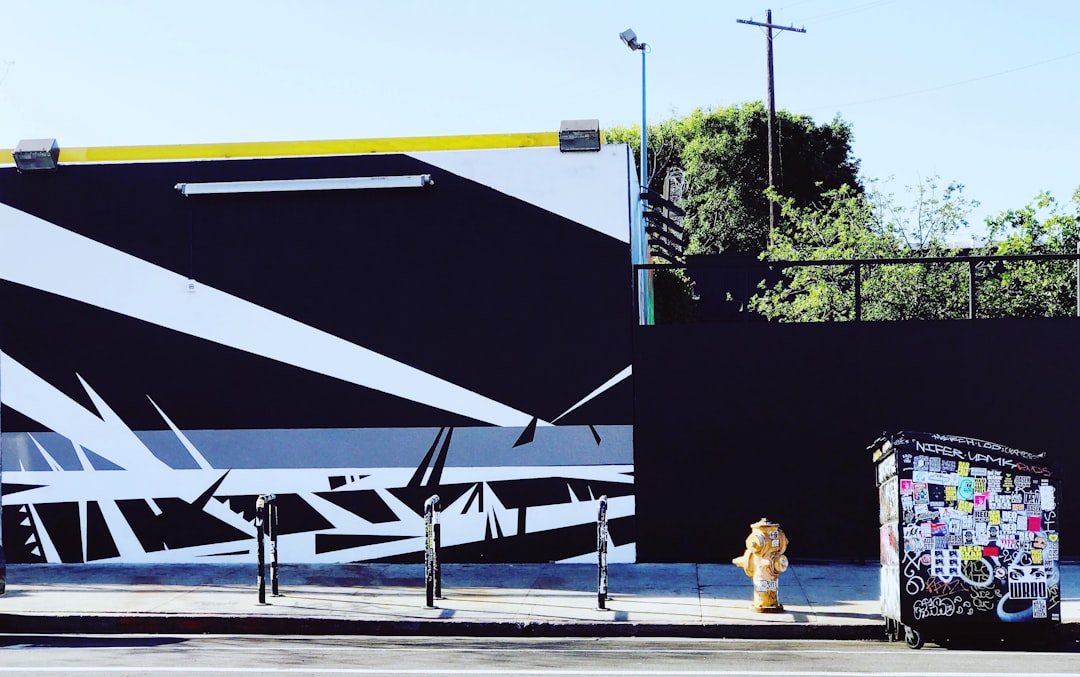
The first time Marisol saw the green metal rectangle thudding into her driveway, she thought of a shark beached on Sunset Boulevard — too big, too loud, and impossibly out of place beneath the eucalyptus trees. The air smelled of damp earth and old paint, and somewhere a neighbor’s radio played a bossa nova tune muffled by the early morning traffic. In Silver Lake, mid-renovation chaos usually came with coffee and sympathetic nods. This time it came with a dumpster and a deadline.
Setting the Scene: A House, a Project, and a Deadline
Marisol had bought the bungalow in Echo Park with plans that sounded modest when she made them on a laptop over a bowl of ramen: restore the hardwood floors, open the kitchen, finally replace the sagging fence that let neighborhood cats roam. Two months and one permit later, her contractor Jamal said the house needed more than cosmetic work. Rotten joists, an old hot water heater, a pile of decades-old tile—everything pointed to a full gut-and-repair. That meant a dumpster. And in Los Angeles, a dumpster is not just a container; it’s an event that requires choreography across neighborhood sensibilities, local regulations, and the city’s irresistible propensity for surprise.
Rising Action: The Arrival and the Rules of the Road
When the truck backed into the street, a Chevy coupe honked, a jogger swerved, and Mrs. Chen across the way peered over her hedges with a thermos in hand. The driver, Mateo, leaned out, cupped his hands and called, ‘Where do you want it?’ His voice had that practical tone of someone who has seen too many tight L.A. driveways and too many last-minute changes.
They chose the driveway, a decision that seemed simple until Jamal pointed to the cracked cement. ‘Driveway’s not gonna take a 40-yard,’ he said. ‘We need to protect it with plywood and pick a 20.’ Questions like size and placement are where the ordinary turns municipal: a 10-yard holds debris from a bathroom remodel, a 20-yard is the all-purpose workhorse for kitchen and small remodels, while 30- and 40-yard dumpsters are more commonly used on big construction sites or commercial jobs in places like Burbank or downtown Los Angeles. Each size affects the rental cost, the truck needed to deliver it, and whether the container can fit without snagging a palm tree or a satellite dish.
Key Insight: Choosing the Right Dumpster for Greater Los Angeles
‘You don’t want to overfill it,’ Jamal warned. ‘Weight fines are real, especially if you load it with concrete or soil. Those cost per ton at the transfer station.’ The economics of dumpster removal in L.A. depend on volume, weight, rental days, and disposal fees. For example, bringing concrete or dirt raises fees dramatically because they are heavy. Mixed loads that include recyclable materials can sometimes be cheaper if the hauler sorts for salvageable metals or wood, but that depends on the company and the transfer station. In Los Angeles County, many routes end at Sunshine Canyon Landfill or local transfer stations where tonnage rates vary.
If you’re working in Santa Monica or Venice, keep in mind additional coastal considerations: fog, strong breezes, and strict city rules about screening and covering loads so debris doesn’t become beach litter. In older neighborhoods like Pasadena or Glendale, historic district rules might require extra permits or limits on placement and hours. Anaheim and Long Beach, while technically outside L.A. city limits, often have different rules for commercial haulers, so verify local ordinances if your project spans the region.
Rising Tension: Permits, Parking, and a Film Crew
Halfway through clearing out the kitchen, Jamal’s phone buzzed. ‘That’s the city,’ he said. A double booking had left them one blocked street permit short. As if on cue, a film crew rolled two blocks down and started testing lights. Los Angeles loves to shoot on residential streets: the casting call for authenticity. That meant a parade of trucks, a need for extra parking permits, and a very patient production assistant explaining they had priority that day.
‘You can’t always rely on the city to give you a break,’ Jamal told Marisol, folding a permit like a map. ‘Book your placement and a no-parking permit early. LADOT can give you a yellow permit for the space, but you’ll want it for those days when a crew or a moving van decides your block is their set.’
Key Insight: Permits, Placement, and Preparing Your Property
Street placement often requires a permit from the Los Angeles Department of Transportation or the city where you live. If the dumpster sits on public property, you need written authorization. Some neighborhoods require notification to neighbors or HOA approval. Protecting surfaces is practical: plywood between a metal dumpster and a decorative driveway can prevent gouges. When placing a dumpster on private property, measure entry points and overhead clearances—trees, wires, and rooflines can catch a boom truck as it tilts the container in.
Book ahead. Popular haulers get filled during spring and summer when renovations peak. Many companies offer online quoting tools that ask for zip code, project type, estimated debris, and desired rental window. Expect choices: short-term rentals are typical for remodeling debris, while longer projects like full gut remodels may need extensions or scheduled pickups.
A Deeper Lesson: Sorting, Recycling, and Hazardous Waste
As the dumpster filled with plasterboard and tile, Mrs. Chen came over to ask about the old fluorescent tubes she’d been hoarding in her garage. ‘They can’t go in there,’ Jamal said, explaining gently but firmly. ‘Those are hazardous. Paints, solvents, asbestos—even some electronics—need special disposal.’ He handed her a list of local options: household hazardous waste drop-off events, the Los Angeles County Department of Public Works facilities, and local electronic waste recycling centers.
Sorting saves money and the environment. Wood and metal can be salvaged; appliances may fetch a small credit once the hauler removes refrigerants and hazardous components. Concrete and soil, if substantial, should be separated or handled by a provider who knows routes to appropriate facilities. Green waste—branches, leaves—can often be composted or taken to specialized yards in Torrance or Long Beach. In Venice and Santa Monica, green waste programs are robust; separating that material reduces landfill tonnage and can even lower your bill.
Rising Action: The Unexpected — A Buried Surprise
One afternoon, the divot in the driveway revealed a nest of things no one expected: a shower of old photographs wrapped in wax paper, a rusted toolbox, and a metal box jammed between joists. Marisol’s heart thudded. ‘Those are my mother’s pictures,’ she said, voice tight. They sifted through the debris carefully. The crew stopped work as if on cue, a respectful hush descending over the clatter. They found a faded wedding photo, a high school diploma with a frayed ribbon, a tin of war medals tarnished to a soft brown.
‘We don’t throw these away,’ Mateo said simply, placing the items on a clean plank. ‘We’ll set them aside.’ It was a small act of human decency amid industrial rhythm, but in a city that can feel enormous and indifferent, it felt like salvation. The dumpster, which had come for trash, had become a threshold between memory and renewal.
Key Insight: Communication and Courtesy in Neighborhoods
Dumpster projects in Los Angeles are social as much as logistical. Talk to neighbors early. Let them know when trucks will block driveways, when hours of operation will start and end, and how you’ll mitigate noise and dust. Many haulers will place signage and lay down plywood to reduce track-in. If you’re in a historic district like Pasadena, it pays to speak with nearby homeowners and your preservation committee—small gestures go a long way to avoid complaints and citations.
Resolution: The Pickup and the After-Scent of Pine and Asphalt
Three weeks passed. The dumpster, now worn at the corners and half-buried in sawdust, was almost full. On pickup day, the sky over Silver Lake was clear and high, a typical Los Angeles sapphire. Mateo and his assistant rolled up at dawn, engines settling to a polite hum. Neighbors watched from stoops. Jamal checked the list. Mrs. Chen handed over the hazardous drop-off slips for her tubes. Marisol took a last look, stepping over a plank to avoid wet paint, and felt that clean, steady tug of completion: the project had started as a chaos of leaks and doubt, and now it was moving toward repair.
The truck’s hydraulic arms lifted the dumpster with a groan that sounded almost human. They tipped, clinked, and in a moment the huge green container was on the back of the truck, secured with straps. ‘We’ll take it to the transfer station and sort what can be salvaged,’ Mateo said. ‘Metals, clean wood, stuff that can be reused.’ The truck backed out, and with a final wave, the crew descended Sunset Boulevard, leaving a thin ribbon of diesel and the faint smell of pine cleaner where the dumpster had sat.
Takeaway: How to Prepare, What to Expect, and One Final Image
If you are planning a remodel in Greater Los Angeles, remember this story and these practical keepsakes: plan for the right size dumpster, know your local permit needs—LADOT or city public works can guide you—separate heavy materials like concrete and soil, keep hazardous items out of the bin, and protect surfaces. Book early, communicate with neighbors, and choose a vendor who knows local transfer stations and recycling options. When surprise finds you—like a film crew or a hidden box of family photos—take a breath and let process meet patience.
Marisol kept the wedding photograph in a clean envelope on her kitchen counter as the crew finished the floor sanding. Each time she boiled the kettle or opened the oven, she glanced at the picture and imagined the story beneath it: a family that had once laughed in this house, whose traces had been uncovered by a dumpster and the people around it. The dumpster had been a clumsy, necessary intrusion, yes, but it had also been a vehicle for reclamation. Los Angeles, with its patchwork of neighborhoods from Santa Monica to Burbank, from Long Beach to Pasadena, is vast and loud; a dumpster, placed and removed with care, reminds us that cities are made of private lives too, and that even the messiest projects can end with something quietly beautiful — a restored home, a neighborly nod, and a photograph catching the afternoon light on a newly refinished floor.