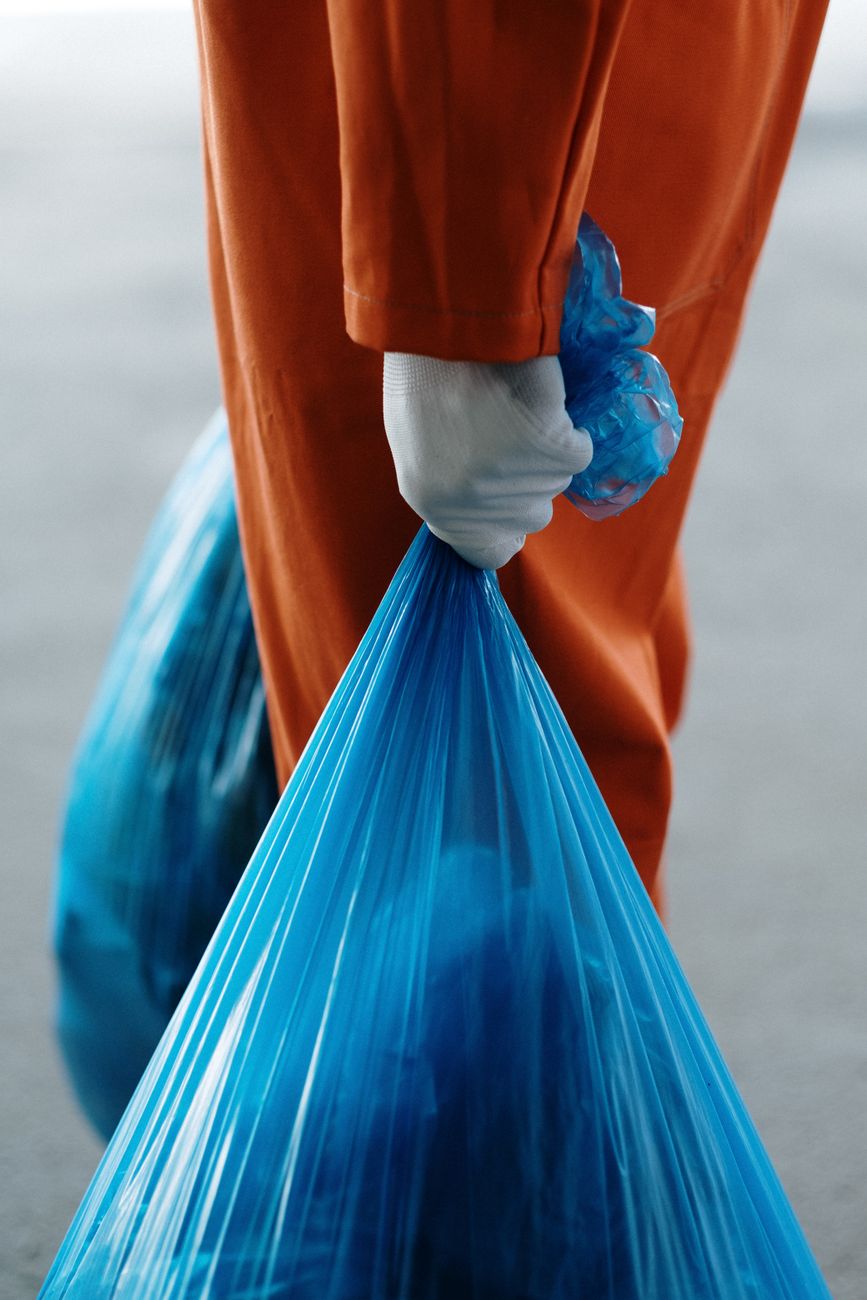
On a humid Thursday at dawn, the clatter of metal interrupted the usual Los Angeles chorus—the distant hum of the 110, a gull crying near the harbor, and an espresso grinder from the corner cafe in Long Beach. A roll-off dumpster—black, dented, and carrying the faint smell of old paint and lemon-garbage—rolled into place in front of a bungalow in East Hollywood. Neighbors poked their heads out of windows. Someone in the alley muttered, “Is that staying?” The answer would ripple down the block, into city hall, and finally onto the clean, sunlit driveway of a family ready to start anew.
Setup: The People, the Place, and the Problem
Maria had been living in her three-bedroom Craftsman near Silver Lake for fourteen years. The house held a collection of lives—boxes of her late father’s tools, couches from IKEA and thrift stores, half-finished drywall work from a remodel gone slow. That week, between rainstorms and a sudden request from her contractor, Maria signed up for a dumpster. She called a service based in Culver City after a friend in Burbank recommended them.
“We need something that fits in the alley, costs what it costs, and won’t make the HOA lose their minds,” Maria joked on the phone. But jokes have consequences. When the dumpster arrived at 7:10 a.m., it blocked half the alley. A delivery truck couldn’t pass. A neighbor on the second-floor veranda in Echo Park lit a cigarette and stared. “You should’ve gotten a permit,” she said when Maria hurried out, coffee cup in hand.
Across the city, similar scenes unfolded: a construction crew in Downtown Los Angeles squeezed a 30-yard container into a loading zone near a red-brick loft, a homeowner in Santa Monica debated whether glass goes in the dumpster or to the curb for recycling, and a film set in Burbank negotiated the removal of set pieces without delaying the next shot. In Greater Los Angeles, dumpsters don’t just hold trash—they intersect with rules, reputations, and rhythms of neighborhoods.
Rising Action: Tangled Rules, Neighborhood Friction, and the Clock
In Los Angeles, a dumpster is less a container and more a small project. Placement can mean the difference between a smooth two-day rental and a weeklong headache. Maria learned this quickly when a city inspector from the Bureau of Street Services knocked on her door mid-morning.
“If it’s on the street or public right-of-way, you need a permit,” he said, clipboard tapping. “Different cities have different rules—Downtown needs a LADOT permit for street occupancy, Santa Monica will ask the same, but the City of Torrance might handle it differently. You might have to move it off the alley or get cones and lights for night placement.”
The dumpster company explained the sizes—10, 20, 30, 40-yard roll-offs—and the weight limits. “People don’t realize how heavy drywall or concrete is,” Jamal, the hauler, said while securing chains. “A truck can only carry so much. If you go over, there’s an overage charge. And hazardous materials? No way. Paint thinner, old batteries, even some types of treated wood—they go to special facilities.”
As the day progressed, Maria felt the pressure of decisions: what to toss, what to donate, and how to keep the alley accessible. The smell of sawdust mixed with citrus garbage. A toddler across the street chased pigeons, shrieking with delight when a sheet of drywall fluttered like a giant kite. Passersby would stop and ask questions. A neighbor from Glendale offered to take usable furniture; a friend in Pasadena suggested a donation center on the way to the 134.
Key Insights: What Dumpster Removal Looks Like in Greater Los Angeles
Between the clanking of metal and the murmured negotiations, practical lessons emerged—small details that save time and money when clearing space in Southern California.
First, size matters. A 10-yard dumpster (about the size of a large SUV) fits smaller clean-outs and yard waste. For major renovations in Hollywood Hills or a full-house declutter in Culver City, 20- to 30-yard dumpsters are the norm. For large construction projects near Downtown LA or Long Beach ports, 40-yard roll-offs are common. Always measure your driveway or alley—city alleys in Koreatown can be narrow, and a full-sized container can block emergency vehicle access if placed improperly.
Second, permits and placement vary by city. If you plan to place the dumpster on public property—a curb lane in West Hollywood, a loading zone in Pasadena, or in a Santa Monica parking lane—you will likely need a permit and possibly cones, reflectors, or a flagger at night. When in doubt, call your city’s Public Works or Transportation Department. Dumpster companies often help obtain permits but confirm who pays the fee.
Third, weight and contents. “Household junk is fine, but no hazardous waste,” Jamal reminded Maria as he tightened the tarp. Items like tires, large propane tanks, most electronics, and certain chemicals require special handling. Construction debris—concrete, bricks, and tile—can add weight quickly and trigger overage costs. Ask about tonnage limits, and separate materials when possible: recyclables, green waste, and metals often have lower disposal costs or can be salvaged.
Fourth, timing and pickup. Standard rentals run from three to seven days, but many companies offer flexible windows. In high-demand times—post-holiday cleanups or during L.A.’s frequent renovation season—you may need to schedule weeks in advance. If you’re in Inglewood or Long Beach and near a busy corridor, aim for early morning delivery to avoid rush-hour logjams.
Finally, sustainability matters. Los Angeles County and many of its cities push for diversion—recycling and reuse—because the local landfills, like Sunshine Canyon, have limited life spans. Maria arranged to drop off good-condition furniture at a donation center in South L.A. and had a separate container for metal and wood that would be taken to a recycling facility near Commerce.
Weaving Stories: Conversations in the Alley
As Maria sorted, she talked to Jamal and his crew. “We see it all—old pianos, stained couches, people finally letting go of boxes from their college days,” Jamal said, wiping sweat from his forehead. He pointed toward the skyline where the Wilshire corridor met the high-rises of Downtown. “Every neighborhood has its rhythm. In Beverly Hills it’s meticulous; in Venice it’s more improvisational. But the work’s the same—create space so people can build something new.”
A resident from Santa Monica stopped to ask if she could put a potting mix bag in the dumpster. “Sure,” Maria said, the relief audible in her voice. “If it’s compostable, some companies will separate it for green waste. Otherwise, pack it with other things so it doesn’t fly out.” A teen on a bike muttered, “Cool, it’s like a treasure hunt,” and reached in to pull out a rusted lamp, which he later repainted and sold to a friend in Pasadena.
Dialogue softened the strangeness of the scene. A neighbor who had been loudly complaining at first paused, watched Maria hand a couch to a couple who had recently moved in from Glendale, and said, “Maybe this is a good thing.” Small acts of exchange turned a potential conflict into a community cleanup.
Resolution: A Cleared Driveway, A New Beginning
By sundown, the dumpster was half full. Maria’s contractor arrived and measured walls with a flashlight. The neighbor who had earlier worried about permits sent an apologetic text and a tray of cookies. Jamal came back to collect the container two days later. The crew placed cones, hurried the truck’s engine, and backed out of the alley with practiced ease. They had weighed the load, confirmed recyclables, and routed debris to the appropriate facilities. The total came in under Maria’s initial worried estimate—because she had sorted, donated, and asked questions.
As the truck left, the alley felt different: airier, lighter, as if the house itself had exhaled. The dust settled like a promise. Maria stood on her porch, the sky over Los Angeles painted in a bruised palette of purple and orange. Someone played a guitar in a nearby yard. A neighbor yelled, half-joking, “Next time, invite us!”
Takeaway: What to Remember and Do
Dumpster removal in the Greater Los Angeles Area is practical work wrapped in neighborhood customs, regulations, and small acts of generosity. If you’re planning a clean-out, remember these steps: choose the right size, check permit requirements for your city (whether Los Angeles, Santa Monica, Burbank, Pasadena, or Long Beach), separate heavy materials and hazardous items, consider donation and recycling options, and schedule delivery and pickup outside peak traffic when possible.
Most importantly, treat the process as part of the neighborhood story. A dumpster is not just refuse; it’s an opportunity to pass on things that still have life, to learn municipal rules that protect streets and safety, and to connect with neighbors who, like Maria’s, might be on the verge of starting something new. In a city that stretches from the palms of Beverly Hills to the salt air of Venice, creating space is a small, shared act of renewal.
When the last cone was stacked and the final scrape of metal faded into the night, Maria walked through her house and opened windows to let in the cool air from downtown. The smell of citrus from the earlier trash had gone, replaced by the faint scent of wood shavings and possibility. Somewhere beyond the ridge, the lights of Burbank blinked on, and a truck rolled toward the port in Long Beach, carrying yesterday’s debris and tomorrow’s opportunity to be transformed. Maria sat down on the cleared living room floor, ran her hand over the oak, and thought, with a tired laugh, “It feels like we finally have room to breathe.” Outside, the city held its breath with her—until morning, when someone else would call for a dumpster and a new story would begin.