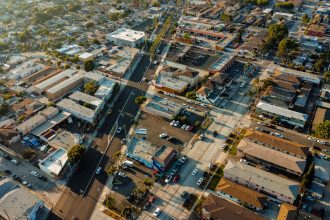
The first time I watched a twenty-yard dumpster arrive on a quiet Larchmont bungalow block, it felt like a small earthquake. Metal sighed as the truck lowered the container, the hydraulics hissing like a sleeping animal. Neighbors stepped out of their morning routines—coffee mugs paused halfway to lips, a dog giving a curious bark—and in that suspended moment the house at the end of the street felt less like a private refuge and more like a set piece for change.
Setup: The Project and the People
Marisol, a graphic designer who had moved to Echo Park from Boyle Heights five years earlier, was the homeowner. She’d bought the place knowing the bathroom needed a miracle and a contractor named Luis had promised miracles on a budget. ‘We start Monday,’ Luis had said with a grin that suggested he’d done this many times. ‘But we need a dumpster. No way to do demo without it.’
Across the city, in Santa Monica, an old beachfront café owned by Jasper was closing for a week to repaint and clear out the decade-old kitchen equipment. In North Hollywood, a landlord named Ellen was converting a duplex into two studio apartments and feared the pileup of decades of tenant leftovers. The common thread: every renovation, cleanup, and construction project in Greater Los Angeles seemed to begin and end with the same practical question—what do we do with the waste?
Rising Action: Tight Streets, Fussy Permits, and the Clock
It didn’t take long for the saga to accumulate color. Marisol’s site was on a curving street near L.A.’s Griffith Park foothills, where parking is as precious as shade. Luis called a local hauler—’We need a 20-yard roll-off, driveway placement if possible.’ The dispatcher asked, ‘Do you have a permit for curb placement from LADOT?’ Marisol blinked. ‘A permit? For a dumpster?’
The answer was a chorus of small surprises. In the city of Los Angeles, and in many neighboring municipalities—Burbank, Glendale, Pasadena, Culver City, Inglewood—placing a dumpster on a public street requires a permit. Some places like Santa Monica and Long Beach have their own rules and timelines. ‘Plan extra time for permit approvals,’ the hauler advised. ‘We can drop it in the driveway if it’s sturdy, but if it’s on the curb, you’ll need the green sticker from the city.’
The pressure mounted. Marisol’s contractor needed to start demo and couldn’t afford delays. Jasper in Santa Monica had tourists to consider and rules from the city’s coastal department. Ellen in North Hollywood had a tenant turnover deadline stamped in red on her calendar. Conversations crackled over text and phone lines: ‘Can you hold the pickup until Friday?’ ‘Is recycling separated?’ ‘What about that old mattress?’ ‘We need a permit.’ Each exchange added a notch of urgency.
Key Insights: Dumpster Sizes, Costs, and the Hidden Rules
Between the stories, practical lessons emerged, delivered in the language of measurements, fees, and shared experience. Roll-off dumpsters commonly come in sizes ranging from 10 to 40 cubic yards. For Marisol’s bathroom demo, a 15- to 20-yard container was enough for tile, drywall, and a bathtub. For Jasper’s café, a larger 30-yard roll-off handled ovens, countertops, and shelving.
Costs vary across the sprawl of Greater Los Angeles. Factors include dumpster size, rental duration, local disposal fees, and weight. ‘It’s not just the container,’ the hauler explained. ‘You’ve got tipping fees at the landfill—those are per-ton charges. If you load too much heavy concrete or dirt, you’ll see an overweight charge.’ The crew’s tools clinked in the background like punctuation; the smell of coffee and diesel intertwined.
Then there are the materials you cannot dump. Hazardous wastes—paint cans with liquid paint, solvents, batteries, fluorescent bulbs, and electronic waste—require special handling. California and Los Angeles County have robust hazardous waste programs, and many items can be taken to household hazardous waste facilities or scheduled pickups. ‘Don’t throw old paint or chemicals in the dumpster,’ Luis told Marisol. ‘You’ll get fined and it can contaminate the whole load.’
Recycling is more than a virtue; it’s often a money-saver. Metals, appliances, and clean wood can be diverted to recyclers in Long Beach or to transfer stations around the county. Many haulers separate loads or direct certain items to recycling centers—sometimes cutting the tipping fees and the ecological footprint at the same time. ‘If it still jingles or hums, don’t toss it in,’ Jasper said, cradling an old espresso machine he planned to recycle rather than consign to the landfill.
Scene: The Sound of Progress
The day of demo carries a soundtrack. In Marisol’s living room, tiles came up with the blunt percussion of crowbars. Dust glittered in the sun like a tiny constellation whenever the door opened. Across town in Torrance, a demolition crew moved cautiously around palm fronds and clay pots, placing plywood to protect driveways from the heavy metal teeth of the dumpster truck. At night in Silver Lake, neighbors complained about the clank of metal against metal, and someone left a polite note about early pickups.
‘We always try to schedule before 7 a.m. or after 9 a.m. depending on the neighborhood,’ the hauler said. ‘In Beverly Hills and West Hollywood it’s especially important to be mindful of noise ordinances and permit restrictions.’ It felt like choreography—trucks, cones, permits, and careful placement to avoid scraping historic curbs or blocking driveways.
Practical Steps Woven into the Tale
From these stories, a checklist emerged naturally: Measure the space where the dumpster will go, confirm driveway capacity, ask the hauler about weight limits and included tons, get the permit if needed, and separate recyclable materials. Take photos of the placement and the area before drop-off—it’s a small insurance policy against disputes. ‘I always take a couple of photos with my phone,’ Ellen admitted. ‘If someone says a dumpster damaged the street, I can show when it was placed and how it sat on pads.’ Pads are small sheets of plywood or lumber that crews place under dumpsters to protect driveways from scratches and oil stains.
Communication matters. Tell neighbors when pickup is scheduled. Post a polite note if the container will block parking. Ask the hauler if they offer same-day pickups in emergencies—some do, especially in dense neighborhoods like Downtown L.A. or Koreatown, but expect a premium. Understand the schedule: most rentals are calculated in 7-day increments, but extensions are usually available for a fee.
Turning Points: When Plans Meet Reality
Marisol’s project hit a snag when neighbors complained about the dumpster partially blocking the street during rush hour. The city inspector made a courtesy visit and suggested a minor relocation. Luis and the crew shifted the container onto the driveway, laid plywood pads, and the neighborhood’s rhythm returned. In Santa Monica, Jasper learned that some kitchen appliances needed special disposal under city codes; a scheduled bulk pickup arranged through the city removed the last heavy items.
The emotional arc is small but real. The sound of the last sledgehammer echoed differently than the first: less anxious, more like punctuation. The pile of debris was a visible ledger of effort, the physical proof of change. ‘It feels like something’s been lifted off the house,’ Marisol said the day the dumpster left, the scent of fresh paint drifting through the windows. ‘Like we cleared out an old version of ourselves.’
Resolution: Where Waste Ends and New Beginnings Start
When the final truck rolled away, each scene softened. The bungalow in Larchmont had a new bathroom and a neighbor handing over a slice of banana bread as a peace offering. Jasper’s café reopened with new counters and a door that smelled of lemon oil and fresh enamel paint. Ellen’s duplex rental signs went up and the first tenants arrived with small suitcases and big plans.
On a practical level, the debris had been divided: metals to a recycler in Long Beach, clean lumber to a transfer station that grinds it into mulch, and residuals to a landfill in the county—Sunshine Canyon among the places that receive municipal solid waste—where tipping fees were paid and weight tickets recorded. For hazardous items, a separate run to a county household hazardous waste site ensured no contamination. The stories ended not with waste abandoned, but with materials routed, accounted for, and, in many cases, given a second life.
Takeaway: What to Remember and What to Do
If you’re planning a renovation, cleanup, or construction project in Greater Los Angeles, remember three things: plan early, know local rules, and think about disposal beyond the dumpster. Here are the essentials distilled from our stories: choose the right size dumpster, check permitting requirements with your city (Los Angeles, Santa Monica, Pasadena, Burbank, Glendale and others all differ slightly), separate recyclables and hazardous waste, protect driveways with pads, and get everything in writing—including weight limits and what the quote includes.
Engage your hauler in conversation. Ask them where the waste will go—transfer station, recycling facility, or landfill—and whether they separate loads. Get a written estimate, take photos before placement, and be courteous to your neighbors; one polite note can prevent complaints. Finally, consider the environmental side: recycling and reuse reduce costs and keep the city’s beaches and canyons cleaner.
When the dumpster disappears, what remains is a quiet street, an air of possibility, and the faint aroma of sawdust and citrus cleaner. The rumble of the truck is a kind of punctuation, a mechanical exhale that says the hard work of tearing down and building up is underway. In a city stitched together by neighborhoods as different as Venice and Burbank, dumpster removal is the unsung logistics that make transformation possible. It is messy, bureaucratic, and sometimes noisy—but in its wake, new rooms open, businesses thrive, and homes settle into fresh versions of themselves, warmed by the Los Angeles sun.
The last image I carry is simple: a sunset over the hills, palm trees silhouetted, a small crew folding a tarp atop an empty roll-off as they prepare to pull away. The container is gone. The street is quieter. The house breathes easier, and somewhere nearby a neighbor leans on a fence, smiling at a work well done.