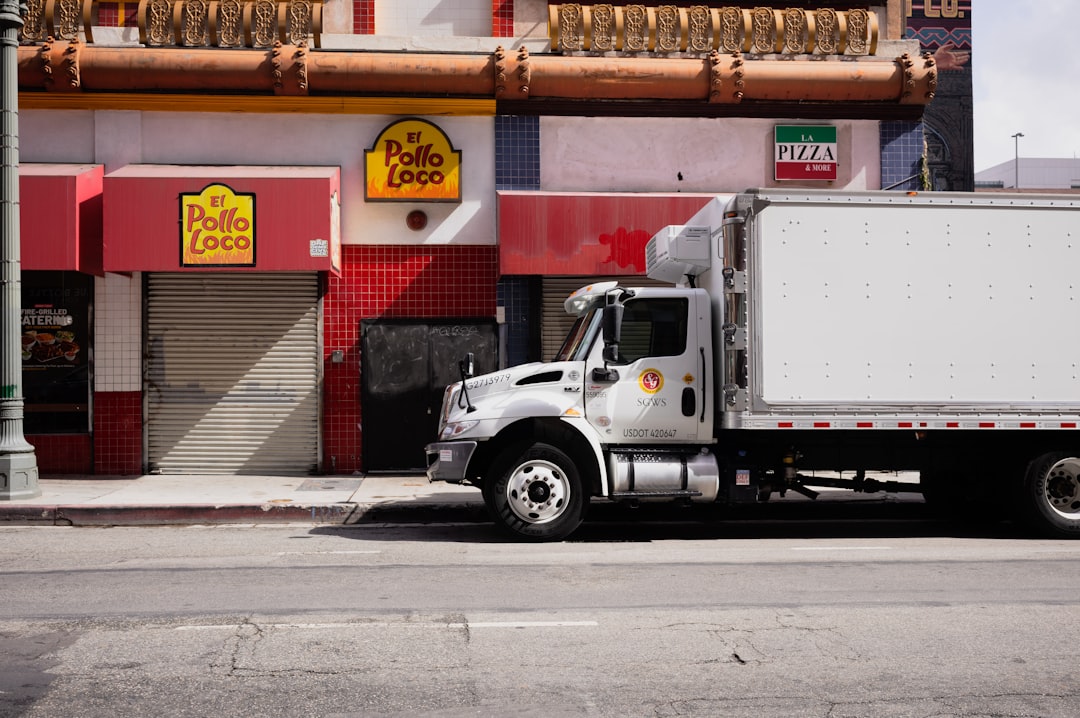
The truck hummed like a restless ocean as it edged down Ocean Park Boulevard, salt-laced air from Santa Monica tugging at the canvas tarp. A steel rectangle the size of an urban island sat waiting on the curb, its paint nicked and the smell of old sawdust lingering in a way that made Maya breathe a little harder. She had scheduled the drop-off for first light to avoid the morning rush, and now, watching the driver climb out and unhook the chains, she felt a strange mix of relief and guilt — relief for the clean slate, guilt for the mountain of things that had to go.
Setup: Characters, Context, and the Cityscape
Maya was a project manager for a small renovation company in Culver City. Her voice was low but determined as she checked her phone and said, I booked a 20-yard roll-off for the Venice duplex. Keep the recycling separate. Beside her, Carlos, a soft-spoken driver with grease on his nails and years read into the slant of LA traffic, laughed and said, That recycling pile will make my day. He had been navigating Greater Los Angeles routes for over a decade—Inglewood to Pasadena, Long Beach to Burbank—and he knew how a city’s mood changed block by block.
The scene was not unique to Maya and Carlos. Across neighborhoods — from the palm-lined avenues of Hollywood to the quiet bungalows of Glendale, from the industrial edges of Torrance to the beachfront lotteries of Manhattan Beach — dumpsters appear as punctuation marks in the city’s ongoing stories: a roof replacement in North Hollywood, a kitchen overhaul in Pasadena, a post-flood cleanout in Inglewood, a residential move-out in Echo Park. Each placement involves planning, permits, timing, and a knowledge of what can and cannot be tossed into that hungry steel mouth.
Rising Action: The Unseen Challenges
As the dumpster settled onto two sheets of plywood to protect the driveway, a neighbor from across the street came over. Hey, that’s going to be noisy, she said. Maya shrugged and replied, We scheduled it early and told them to keep idling to a minimum. But the neighbor’s eyes tracked to the mound of plaster and drywall peeking above the rim. What about dust? she asked. Maya pointed to a roll of tarps and a spray bottle of water. We’ll mist it if it gets bad. It’s always a negotiation when you interrupt the rhythm of a street.
There were logistical puzzles, too. Carlos tapped his tablet and scrolled through the permit info. In Los Angeles proper, placing a dumpster on the street often requires a permit from the Bureau of Street Services; in Long Beach and Torrance the rules differ. Sometimes a permit is a small fee and a few signatures. Other times it means navigating HOA rules in Brentwood or inspecting a cul-de-sac in Pasadena for fire access. Maya had learned the hard way to call ahead for curb placements — once a dumpster sat unpermitted on a community’s street and drew a citation that added a few hundred dollars to the job.
Another tension surfaced when the first heavy load of tile and concrete was tossed in. Carlos frowned. That’s heavy, he said. We’ll watch the weight. Roll-off containers come in common sizes — 10, 15, 20, 30, and 40 cubic yards — but their pricing and weight limits can change the math of disposal. Concrete, dirt, and brick are heavy; a 20-yard could hit weight caps with less volume than a pile of light demolition debris. Overage fees per ton can climb quickly, especially when disposal sites charge premium rates or when material has to be taken to specialized recycling centers.
Key Insights Woven into the Story
The narrative is where practical wisdom fits through the cracks. As Maya and Carlos worked, they gave advice that reads like a cheat sheet for anyone facing a similar project in Greater Los Angeles.
1. Choose the right size. Maya recommended a 10- to 15-yard dumpster for small remodels and yard cleanups, 20- to 30-yard for whole-room renovations, and 40-yard for large construction projects. She added, It’s better to size up for heavy materials so you don’t hit weight limits early.
2. Know the permit rules. Carlos explained, Every city has its own rules. If the dumpster sits on private property you’re usually fine, but for curb placement you’ll need a street permit in Los Angeles and many surrounding cities. Permit fees can range from a modest administrative charge to a higher amount if you block traffic or require parking restrictions.
3. Sort before you toss. In Maya’s work, separating wood, metal, concrete, and general debris paid dividends. Metals and appliances often fetch recycling rates or reduce landfill costs. Concrete and dirt can sometimes go to specialized recycling yards in Long Beach or municipal transfer stations that accept inert materials. Hazardous items — paint, solvents, batteries, tires, asbestos — do not belong in a regular dumpster. Los Angeles County runs household hazardous waste collection events for safe disposal.
4. Prepare the site. Place plywood on driveways to prevent gouging. Keep the curb space clear of cars. If the dumpster sits on the street, mark the area and communicate with neighbors. And plan the timing: early morning drops can avoid rush-hour traffic through the 405 and reduce interference with street cleaning schedules.
5. Mind the load. Load heavy items first and distribute weight evenly. Break down furniture and boxes. Don’t overfill above the rim; drivers are often instructed not to transport overfilled dumpsters due to safety and legal concerns. Carlos reflected, The last thing we want is a load shifting on the freeway. I’ve seen shoes fly out of open truck beds like confetti.
Resolution: A Job Done, Lessons Embedded
By late afternoon, the dumpster looked tamed. The mess had shrunk to a compact geometry and a careful tarp hiding the last of the dusty drywall. Maya and Carlos sipped coffee from a thermos and watched as the sun began to hit the Griffith Park hills with a warm, forgiving light. A mail carrier paused and said, Nice and tidy. Maya smiled. We tried. Carlos started the truck and ran one last safety check. The chains clanked like a tiny percussion band as the winch pulled the bin up, the engine whining a familiar city song. As they drove off toward Burbank to pick up a commercial load, the skyline of downtown Los Angeles cut a silhouette against the late sun. It felt like an exhale — work done, partnerships honored.
The story’s quiet end leaves on-the-ground lessons intact: proper planning prevents many of the small tragedies of renovation, and respectful communication smooths the edges of city life. When a dumpster is handled well, it becomes a temporary utility that keeps neighborhoods livable instead of a nuisance that breeds disputes and fines.
Takeaway: What to Remember and What to Do
Think of dumpster removal in Greater Los Angeles as a local choreography. There is a rhythm: plan the placement, secure the permit if needed, pick the correct size, separate recyclables and hazardous waste, load smartly, protect the street, and communicate with residents and drivers. Practical tips to carry in your pocket:
– Call the provider and ask about common sizes and what materials they accept. Mention heavy items like concrete and dirt to clarify weight implications.
– Check with your city for curb placement permits. In Los Angeles, many placements require approval from the Bureau of Street Services. In other cities like Long Beach, Torrance, and Pasadena, local rules vary.
– Protect surfaces with plywood and site tarps. Misting dusty loads reduces complaints and reduces airborne particles.
– Separate metals, appliances, and clean concrete for recycling when possible. Use county hazardous waste programs for paints, solvents, and batteries.
– Schedule early or off-peak drops to avoid interfering with rush hours on the 405 or 101. Many providers offer same-day delivery for a premium, but 24 to 48 hours is the common window.
– Communicate with neighbors and HOAs. A simple note on doors explaining the duration and purpose of the dumpster can prevent misunderstandings.
As the truck disappeared into the city’s evening, Maya walked back to the duplex and ran her hand along the plywood that had saved her driveway. The sound of distant waves and the evening traffic blended into a lullaby for the neighborhood: a city continuing its projects, private and public, one dumpster at a time. The metal container had performed its temporary magic — swallowing debris, organizing chaos, and making space for new beginnings. For Maya it was more than waste management; it was the moment when a house took a breath and prepared to become a home again. The final image stays — the truck’s taillights fading into the LA skyline, a slice of neon against a horizon that always seems to promise another morning, another drop-off, another careful returning to order.