It was the sort of morning in Echo Park that sounds like promise — cicadas in the eucalyptus, the smell of coffee and sawdust mingling in the driveway, and a rented dumpster sitting like an orange island at the curb. Maria stood in her flannel shirt, hands on hips, watching the driver as if he were about to perform a small miracle. She had imagined demolition as noise and chaos, but what surprised her was the rhythm: the thud of old cabinets becoming kindling, the metallic ring of nails finding each other, the quiet satisfaction when a whole door fit perfectly into the yawning mouth of the bin.
The Morning the Driveway Changed
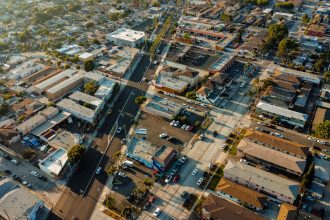
In Los Angeles the driveway is more than concrete. It is a stage where projects start and reputations are kept tidy. That morning in Echo Park, the sky was a pale California blue and the street smelled faintly of jasmine from a neighbor’s hedge. A few houses down, a family in Silver Lake had a 20 yard dumpster while a contractor in Glendale rolled a 15 yard onto a narrow alley. In Santa Monica, a beach house owner scheduled delivery timed between low tide and a morning surf. The dumpster in Maria’s driveway was the connective tissue between mess and order.
Characters on the Curb
There were three main players: Maria the homeowner, Ramon the driver with twenty years on Los Angeles streets, and June the project manager calling in updates from a Reno office but coordinating permits like a conductor. Ramon wiped his palms on his vest and grinned. ‘You’d be surprised how many people forget to clear the overhead wires in Burbank,’ he said. June’s voice crackled through Ramon’s phone: ‘Make sure the permit is front and center for San Fernando Valley. They ticket fast.’ Maria listened, then laughed, the sound a release after a month of indecision.
Rising Action: Small Decisions, Big Consequences
Every renovation has a moment that tells you how the rest will go. For Maria, it was when the first cabinet came out. The neighbors paused, a dog barked, and for a few seconds the weight of choices arrived: where would the old fixtures go, who would take usable items, would the city require a permit if the dumpster taped the street for a week? The tension wasn’t cinematic thunder but the steady hum of logistics. Ramon’s truck idled, the diesel smell thick and familiar. He pointed toward a stack of broken tiles. ‘We can haul those, but ceramics add weight. That could be an extra fee if you hit the limit.’ Maria’s stomach tightened; budget was a main character in this story.
Key Insights Woven into the Story
As the day unfolded, practical lessons revealed themselves like details in a well-lit room. Dumpster sizes matter: the crew explained that 10 and 15 yard bins are ideal for small cleanouts in Culver City condos, while 20, 30 and 40 yard options better suit home remodels in Pasadena or new construction in Santa Clarita. Weight limits are not a rumor; mixed loads with concrete, dirt, or tile can exceed a bin’s allowance and trigger overweight charges. Many cities in the Greater Los Angeles Area require a temporary no-stopping permit for dumpsters placed on public streets. In Downtown Los Angeles you might need a different approval than in Torrance or Manhattan Beach, and parking enforcement in Beverly Hills is famously strict.
‘What about hazardous stuff?’ Maria asked. Ramon paused, then named items like a litany: paints not dried, solvents, asbestos-containing materials, and certain electronics. ‘We can take a lot,’ he said, ‘but some things belong at a hazardous waste facility. Better for the planet, better for your permit.’ This prompted Maria to separate a corner of the driveway, setting aside a box of old tubes and paint cans she would later drive to the Household Hazardous Waste Collection event in San Pedro.
Scene Setting: From Malibu Breeze to East LA Alleyways
Each neighborhood added texture to the story. In Malibu the dumpster sat beneath palm fronds and the ocean gave a salty undernote to the work. In Long Beach, seagulls eyed the scraps as if judging their tastiness. In Hermosa Beach the crew worked fast, mindful of parking meters and beachgoers. In Pasadena, a carriage house renovation required a smaller bin but repeated trips because the driveway couldn’t hold a large container without scarring the brick. Inglewood, Compton and Carson each carried their own rhythms: alleys narrow and stacked with histories, conversations with neighbors who remembered previous owners, and the specific challenge of finding an access point for a 30 yard roll-off truck.
Dialogue: Voices on the Job
‘You ever seen a dumpster in front of a Hillside in Beverly Hills?’ another worker joked while securing a tarp over the bin as a sudden coastal breeze picked up. Maria replied, ‘No, but I have seen a piano in a dumpster somewhere around Mid-City.’ They laughed; the banter broke tension. Ramon offered advice like old proverbs. ‘Always measure the space twice. Tell us about electrical lines, tree limbs, and your HOA rules. We show up early in LA to miss the traffic and the permits get processed faster before someone else tries to block the curb.’
Practical Tips Woven into the Narrative
Mid-afternoon, with the sun sliding west and a cool air from the ocean, Ramon walked Maria through a checklist that doubled as a how-to manual. Measure the area and pick a dumpster size based on volume and type of debris. Ask the company about weight limits and extra fees. Verify whether your city—be it Los Angeles, Santa Monica, or Long Beach—requires a curbside permit and factor the cost into your budget. Protect the driveway with wooden planks or a dumpster pad; many providers offer driveway protection or will place rubber blocks to avoid gouges. Schedule delivery early in the day, and if space is tight, consider alley placement and communicate clearly about access windows. And if you can, salvage or donate usable items to local nonprofits; Habitat for Humanity ReStore, Goodwill and regional community centers will pick up or accept drop-offs in many neighborhoods.
A Day with the Driver: Muscle and Mind
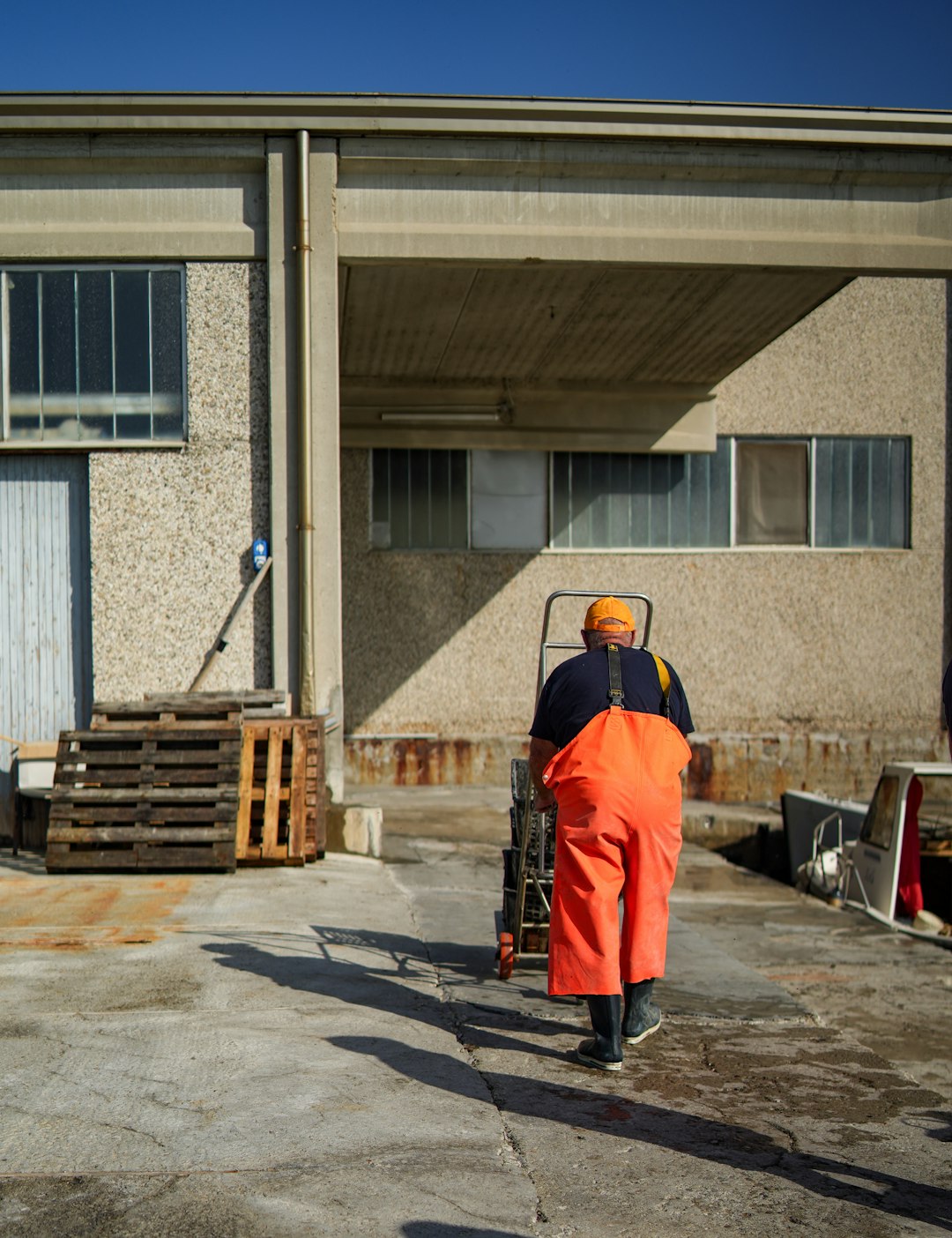
Ramon’s toolkit was part muscle, part diplomacy. He maneuvered a 20 yard roll-off into a narrow west Hollywood street with a surgeon’s patience. Children stopped on scooters to watch. He rolled the bin onto wood planks to protect the driveway’s surface, set up a temporary no-stopping sign after Jerry of the contractor paid the permit, and leaned against the dumpster, catching his breath in the shade. He told Maria about the time he landed a delivery at sunrise in Malibu and the homeowner handed him coffee and a handwritten note: are you able to put it behind the gate? It was gratitude and the small civility of a city intertwined.
Green Disposal and Smart Savings
By late afternoon the bin was three quarters full, but the tone had shifted from anxiety to a kind of calm. The crew sorted some materials on the spot. Usable cabinets were set aside for donation, metal scraps bundled for recycling, and clean lumber stacked neatly for a salvage yard in San Fernando. This sorting saved on disposal costs because recycled materials and donated items don’t count toward landfill weight in the same way. Many providers in Greater Los Angeles now promote sustainable disposal, working with transfer stations and recycling partners to divert concrete, wood, metal and cardboard away from landfills. The financial upside arrived in the form of smaller tipping fees and fewer overweight penalties.
Regulatory Twists and Turns
Every city had its own small drama to add. In Culver City the homeowner’s HOA required additional insurance. In Pasadena, an inspector wanted to ensure no asbestos-containing materials were mixed with general debris during a 1920s bungalow gut. In Santa Monica, environmental strictures nudged the crew toward separate bins for gypsum and green waste. ‘It’s a patchwork of rules,’ June had said earlier, ‘but good providers know the map.’ This is why picking a company familiar with Los Angeles County, from Glendale’s tree-lined streets to the industrial pockets near Downey, can keep a project moving without surprises.
Resolution: The Last Load, the First Breath
At dusk Ramon backed his truck up, hooked the winches, and the dumpster began its familiar clatter-crawl toward the bed. Neighbors waved, one passing by said, ‘Looks good, Maria.’ She smiled and felt something lift. The porch light clicked on; the house looked quieter somehow, like a book with a new first page. The crew did a final walkthrough, left a short, clean bill of actions and a note with contact numbers. Maria ran a broom along the driveway, gathered the last nails and swept her hands clean of dust. The house, which had felt like a project waiting to happen, now felt like a possibility.
Last Image
The sky turned violet, and in that light the empty curb looked almost ceremonial: an orange patch removed from the street, a small scar healed. A faint breeze carried the scent of the ocean inland, a reminder that even in a sprawling metropolis, every small cleanout touches community life. Ramon climbed into his truck, engine idling, and Maria closed the gate behind her. The day had been about debris and regulations, but what lingered was quieter: the feeling of space regained, the first clear sightline across the living room, the comfort that comes with practical action.
Takeaway
What to remember from Maria’s morning in Echo Park and the dozen other curbside scenes across Greater Los Angeles: measure twice, choose the right size, factor in permits and weight limits, protect your driveway, separate recyclable materials, and ask about donations for usable items. Pick a local provider who knows the municipal quirks of Los Angeles, Santa Monica, Long Beach, Pasadena and surrounding cities. Schedule early, communicate clearly about access and hazards, and treat the dumpster as the tool it is — a temporary bridge from clutter to calm. When the truck finally disappears down the street and the air smells of cut wood and evening jasmine, you will understand why so many homeowners call that moment a small kind of victory.
Maria stood on her porch one last time, her hands folded against the cool of the railing. Streetlights blinked awake. In the distance the skyline of downtown Los Angeles glowed faintly, and somewhere past the hills the ocean answered, steady and patient. The house was quieter. The work had only begun, but the space to do it was finally hers.