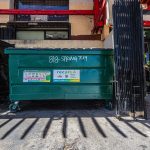
The first time I saw a dumpster on the curb of my friend Maria’s Silver Lake bungalow, it smelled like dust and old citrus and the tang of paint thinner. The city was glowing in late afternoon—gold on the stucco, a breeze off the hills—and a low rumble announced the approaching truck. Maria laughed, a little embarrassed, and said, "If this thing eats the whole porch, I swear I’m moving to Santa Monica." That truck, that smell, and that laugh were the start of a two-week sweep through neighborhoods from Echo Park to Long Beach, a story about clutter, community, and the surprisingly complicated life of dumpster removal in Greater Los Angeles.
The Setup: What Starts as a Small Cleanout
Maria had inherited an old Craftsman from her aunt in Pasadena—a house full of decades of furniture, boxes of yellowed photographs, and a backyard that had become a hardware store museum. I came over with gloves and coffee, expecting to lift a few boxes. Instead, the garage door opened to a dozen items that needed more than a pickup truck: drywall, a rusted washer, a piano that smelled faintly of mothballs.
"We need a dumpster," she said, matter-of-fact, but there was a tremor in her voice that said grief mixed with relief. The scene was familiar—not just to us but to thousands of Angelenos. From a Highland Park remodel to a Beverly Hills estate sale, people face the same knot: how to render years of accumulation into neat piles for removal without breaking the bank or the law.
Rising Action: The Maze of Logistics
Phone in hand, Maria called a local hauler in Los Angeles. "We need a 20-yard for a restoration project," she told him. He asked about the alley width, driveway slope, and whether the neighborhood required a permit. "Permit?" she repeated. Around here, that one word could mean a paragraph of forms from the City of Los Angeles or a quick nod at the Culver City municipal website. It could also mean extra fees if placed on a public street in Santa Monica or West Hollywood.
We learned quickly. Pasadena wanted a permit for any dumpster placed on public property; Glendale’s rules differed if your house sat on a corner; Long Beach had its own set of considerations because of heavier truck routes near the port; and Beverly Hills, well, Beverly Hills had driveway beautification demands that made even a 10-yard dumpster feel like a production.
The truck that finally rolled up was painted bright blue, its hydraulic arms gleaming. The driver, Carlos, wore a reflective vest and a sun-hardened smile. "You pick the size, I tell you where to put it," he said, the way local crews always know the dance of LA streets—left turns around tight corners, backing down narrow alleys in Burbank, timing a drop-off to avoid the 405 crawl.
Key Insights We Picked Up Along the Way
There were practical lessons tucked into every movement. Carlos explained dumpster sizes in terms most homeowners could picture:
– 10-yard dumpsters fit small renovation jobs or yard cleanups—think: porch demo in Echo Park or a garage purge in Glendale.
– 20-yard is the classic choice for medium remodels: kitchen guttings in Culver City or significant estate clearouts in Pasadena.
– 30- and 40-yard units are for full-house renovations or commercial projects—like a restaurant remodel in Downtown LA or construction near the Long Beach waterfront.
"Weight matters more than volume," Carlos told us as he wiped his hands. "Concrete and tile will hit your limit faster than wood and drywall. If you’re doing a bathroom demo in West Hollywood with tile, you might need a smaller, heavier-rated container or pay overage fees."
Permits were another recurring note. Los Angeles Department of Transportation required a street permit for dumpsters placed on curbside if they blocked parking or altered traffic flow. Santa Monica and Malibu added coastal rules about debris containment—no runoff allowed. Hazardous materials—like old paint cans, solvents, or asbestos—could not go into standard dumpsters and usually required specialty disposal or a licensed hazmat crew.
And then there was recycling. The hauler suggested sorting items for donation: a working microwave to Goodwill in Torrance, furniture to Habitat for Humanity ReStore in Compton, and metal to a recycling center in Carson. We watched a neighbor in Venice arrange vintage chairs on the curb; within an hour they were claimed, saving landfill space and giving neighbors something useful.
Scene: The Neighborhood Converts
As the dumpster sat on Maria’s street, the block changed. Mrs. Jensen from down the lane brought a box of old ceramic knobs. A teenage skateboarder from Echo Park offered to haul boxes for a few dollars and a story. Someone parked a folding table with lemonade and a sign: "Donations accepted for the animal shelter in Inglewood." The clink of metal, the thud of plywood into the container, the smell of fresh-cut lumber: sensory markers of a city that cleans itself in broad, noisy sweeps.
Neighbors told their own cleanup tales. "We used to wait for city bulky pickup," said an elderly man from Highland Park, leaning on his cane. "But that takes weeks. A dumpster finishes the job in days, and everybody pitches in."
Complications: When Things Don’t Go Smoothly
Two days in, we hit a snag. A late-night drop-off of construction debris on a nearby street triggered a fine in Santa Monica because the dumpster leaked sawdust into the gutter. The city inspector left a polite but firm notice. The hauler had to move the container, clean the curb, and the homeowner paid a sanitary fee. It was a tiny drama but instructive: containment matters, tarps help, and understanding municipal codes avoids surprise bills.
Another complication came when we realized a piano Maria wanted to discard was actually in playable condition. With the right call, a musician in Hollywood took it away. The move turned a potential landfill item into someone else’s livelihood—an illustration of how the right network makes waste management feel more like community building than disposal.
Practical Advice Woven into the Story
From calls to Carlos to city websites and neighborhood groups, practical rules emerged from storylike threads:
– Measure twice: Know your driveway width and overhang space before booking a dumpster. Alleys in Burbank and narrow streets in Glendale require careful planning.
– Check permits: Visit the municipal site for your city—Los Angeles, Pasadena, Long Beach, or Beverly Hills—before placing the container on public streets.
– Sort early: Separate hazardous items and donations. Places like Goodwill, ReStore, and local metal recyclers save money and the planet.
– Ask about weight limits and overage fees: Dense materials like tile may push you into excess charges.
– Confirm truck access: If you’re near the 101 or stuck behind a cul-de-sac in Brentwood, tell your hauler so they can plan the right equipment.
Resolution: The Quiet After the Rumble
By the end of the second week, Maria stood on her front steps watching the last piece of debris disappear into the tipper. The piano had left for Hollywood. The widow’s old wardrobe had been claimed by a young couple in Torrance starting their first apartment. The dumpster company hauled away the blue beast with a familiar hydraulic sigh, and the street returned to its usual rhythm: mailboxes, bicycle racks, and the occasional dog walk.
"It looks like a different house," Maria said, voice soft. She brushed dust off her hands and smiled with a kind of astonishment usually reserved for sunsets. We walked to the corner—sunset pooling over the palm trees—and for a moment the city felt like one clean breath.
Takeaway: What to Remember and Do
The story of a dumpster on a Los Angeles street is less about metal and more about choices. It’s about decisions that ripple: choosing the right size and crew, sorting recyclables, understanding municipal rules from Pasadena to Long Beach, and thinking ahead about neighbors and the environment. It’s also about rhythms—how neighborhoods from Culver City to Compton transform when a community decides to purge, repair, and pass along what still works.
If you’re facing a cleanup: call a few local haulers, ask about sizes and permits, plan for donations first, and keep hazardous items out of regular containers. If you’re a neighbor, offer a box of help or a cup of coffee. If you’re the person standing with the keys to an old house, know that the clang of a dumpster is the sound of a new beginning. In Los Angeles, that sound often blends with freeway hum and gull cries off the coast—a peculiar soundtrack to clearing space for what comes next.
Later that night, after the last truck left and the street lamps flicked on, Maria and I sat on her porch with slices of pizza. A cool breeze from the Pacific curled through the eucalyptus. Somewhere east, the skyline pulsed. She held a cup of tea and said, "I thought getting rid of things would make me sad. Instead, it feels like I finally have room to breathe." The dumpster had been a loud, awkward, messy instrument of change. When the lid closed for the last time and the truck backed away, the neighborhood held its breath and then let it go—cleaner, lighter, ready for whatever comes at dawn.