The sun hung low, gilding the palms along Venice Beach in a way that made the old furniture stacked on the sidewalk look almost cinematic. Maria stood with her hands on her hips, inhaling a mix of salt air and diesel, watching the big green box roll onto her street. ‘I never thought something this loud could feel like relief,’ she said, wiping sweat from her brow. This was not just a machine; it was the hinge on a weekend she needed — the hinge between a cluttered past and a clearer tomorrow.
Setting the Scene: A City of Lots and Little Things
Greater Los Angeles is an atlas of stories — red-tiled roofs in Pasadena, the slick glass facades of Culver City, the palm-lined boulevards of Hollywood, the ocean-misted lanes of Santa Monica, and the industrial sprawl of Long Beach. Each neighborhood has its own rhythm, and when it comes to dumpster removal, that rhythm determines where a bin can sit, how it must be handled, and who gets to move the ashes of renovation or remnants of a littler life.
On a Tuesday morning in Glendale, a contractor named Jamal twirled a pencil between his fingers and studied a blueprint. ‘Our permits say the bin needs to be 10 feet from the curb and can’t block the fire hydrant,’ he explained. Every city — from Beverly Hills to Inglewood, from Sherman Oaks to Torrance — writes those little rules differently. For someone like Maria, who lives in Echo Park, the process looked straightforward: call the service, pick a date, and watch it arrive. For Jamal, coordinating dumpsters across LA meant navigating parking permits, weight limits, lane closures, and, sometimes, stubborn neighbors.
Rising Action: When Things Don’t Go According to Plan
Two days earlier, in Malibu, a homeowner had ordered a 30-yard dumpster for a coastal remodel. The delivery truck hugged the winding cliffside road, the diesel engine vibrating like a distant drum. But when they tried to set the bin on the narrow verge, a city inspector arrived. ‘You’ll need a coastal access permit,’ she said. Suddenly the project stalled, the crew’s chatter dropped, and the client felt the tug of a wallet tightening. Scenes like these are common: a dumpster sits where it shouldn’t, someone discovers prohibited items, or the weight exceeds what’s allowed and surcharges arrive like storm clouds.
At a Burbank film set, the production manager watched as an entire set — fake storefronts, painted backdrops, and piles of styrofoam — needed disposal overnight. ‘We’re on a tight schedule,’ she told the crew. The dumpster company promised a late-night pickup. But a traffic slowdown near the 5 Freeway pushed the truck arrival back, and suddenly the entire crew was improvising between take two and take three. Deadlines and dumpsters often tango in LA: production schedules, demolition timelines, and community events create pressure that turns logistics into a test of patience and coordination.
Key Insights Woven into the Story
As dusk fell, our narrative touched many practical points Maria hadn’t considered when she called for that first dumpster. Her neighbor, Tony, who had cleared out a rental in West Hollywood last month, became an impromptu guide.
‘Pick the right size,’ he advised, tapping his cigarette ash into a palm frond. ‘A 10-yard fits a small remodel or garage cleanout. For whole-house jobs you’ll want 30 or 40 yards. Don’t overfill — there are weight limits, and you’ll get charged for extra weight.’ The numbers — 10, 20, 30, 40 — appeared less like abstract metrics and more like tools: a 10-yard for a bathroom gut, 20 for a kitchen refit, 30 for a major renovation, 40 for demolition debris, though every job varies.
‘Watch for banned items,’ Maria’s neighbor continued. ‘You can’t throw paint cans, oils, pesticides, asbestos, or most electronics into a regular roll-off. Tires and compressed gas cylinders are no-gos too. For that, the city has hazardous waste programs or e-waste drop-offs in places like Long Beach or Pasadena.’ He recited these not like a list, but like a map of things that could derail a project.
And then there were permits. In LA proper, a curbside dumpster often needs a temporary parking permit from the Bureau of Street Services. Other cities, like Santa Monica and Beverly Hills, have their own rules — sometimes stricter, sometimes oddly specific about the placement relative to driveways and alleys. ‘Always check your city’s website or call the public works department,’ Jamal said. ‘It saves you headaches and fines.’ That advice echoed across the neighborhoods as if it were a neighborhood law.
Scene: A Community Learning to Reuse and Recycle
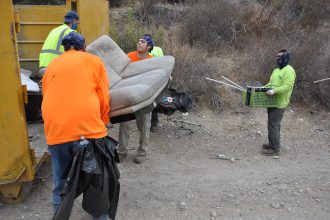
On a Saturday, Maria watched a steady stream of volunteers — students from UCLA, retirees from Pasadena, and families from Culver City — ferry usable items from her driveway to a donation table. The dumpster crew, hearing the hubbub, started separating wood, metal, and recyclables. The truck’s hydraulic hiss punctuated the murmur of conversation. ‘We try to recycle as much as possible,’ said Carlos, the driver, rubbing his callused hands. ‘Wood goes to repurposing facilities, metals get scrapped, and we sort concrete for crushing.’ His hands gestured a choreography of lifting, sorting, and loading.
This was another LA lesson: disposal in these parts isn’t about erasing; it’s about redirecting. Many dumpster companies offer sorting services or partnerships with recycling centers. Construction debris often gets split: concrete to crushing yards, green waste to composting, and wood to reuse centers. Even when the night was long, and the load heavy, there was a satisfaction in watching a community portion their discards into futures — some items destined for thrift stores in Torrance, old lumber repurposed for a community garden bed in Glendale, and a set of used tiles reborn in a Venice artist’s studio.
Conflict and Resolution: When Regulations Collide with Urgency
Not all stories resolve smoothly. In Inglewood, during a neighborhood block party cleanup after a big local event, a miscommunication led to a dumpster being placed without a permit. A code enforcement officer arrived with a clipboard. ‘You need a permit for that lane closure,’ he said, but he also looked at the kids piling cardboard and the seniors hoisting discarded chairs. In that moment, the officer’s sternness softened. He explained the steps to obtain a retroactive permit and the fine reduction process. Working through red tape rarely feels poetic, but it can be humane.
Meanwhile, in Long Beach, an unexpected monarch of pigeons took interest in a half-packed bin. Feathers fluttered like confetti as the crew shooed the birds and secured the load. ‘We always tarpaulin our bins when working near the beach,’ Carlos said later. ‘Salt can do strange things, and storms can turn a light job into a weather problem.’ Each neighborhood handed the crew a different test: beach winds, canyon drafts, steep driveways in Hancock Park, and narrow alleys in Downtown LA. The resolution always relied on experience: the right equipment, careful placement, and communication.
Personal Stakes and Community Wins
Back at Maria’s house, the dumpster was nearly full as the sun slipped behind the hills. Her sister leaned against the garage, taking in the cleared space. ‘It looks like we can breathe again,’ she whispered. Her daughter, who had been born in a cramped apartment in Burbank, ran barefoot on the newly cleared driveway and laughed, chasing the echo of her feet against concrete. That laughter sounded like an invoice being paid in small, loud currency.
For Jamal, finishing the last cleanup in Pasadena, his phone buzzed with a new client request — a boutique opening in Culver City needed a same-week restroom demo removed. He rubbed his weary neck and smiled. The satisfaction wasn’t just about earnings; it was about clearing the way for small businesses, new homes, and events that knit the city together.
Takeaways: Practical Wisdom from the Streets
By the time the last lights on Maria’s street dimmed, a few clear practices had emerged from the day’s noise and motion:
- Choose the right dumpster size — 10, 20, 30, or 40 cubic yards — based on the scale of the job.
- Check local rules early. Los Angeles and its neighboring cities have differing permitting requirements for street placement and lane use.
- Know what you can’t toss: hazardous chemicals, tires, certain electronics, and asbestos have special disposal paths.
- Ask about recycling and sorting options. Responsible providers divert materials to reuse centers, recycling facilities, and concrete crushers.
- Plan for weight and surcharges. Overweight loads can mean surprise fees.
- Communicate with neighbors and consider tarp coverings, especially near beaches and windy corridors.
- Hire licensed, insured providers who can demonstrate local experience and disposal practices.
These are not merely rules; they are the scaffolding that lets LA projects — from small garage cleanouts in Sherman Oaks to major demolitions in Torrance — proceed without becoming neighborhood drama.
Ending Image: The Truck Rolls Away
Night arrived like a soft curtain. The dumpster’s last clang echoed as the crew closed the gate. Carlos wiped his hands, climbed into the truck, and started the engine. The taillights traced a ribbon down the street. Behind them, Maria, her sister, and her daughter stood in the doorway of a home that suddenly felt wider. ‘We’ll finally be able to paint the living room,’ Maria said, voice steady. Her daughter kicked a small stone, sending it skittering over the driveway, a tiny comet against the glow of streetlights.
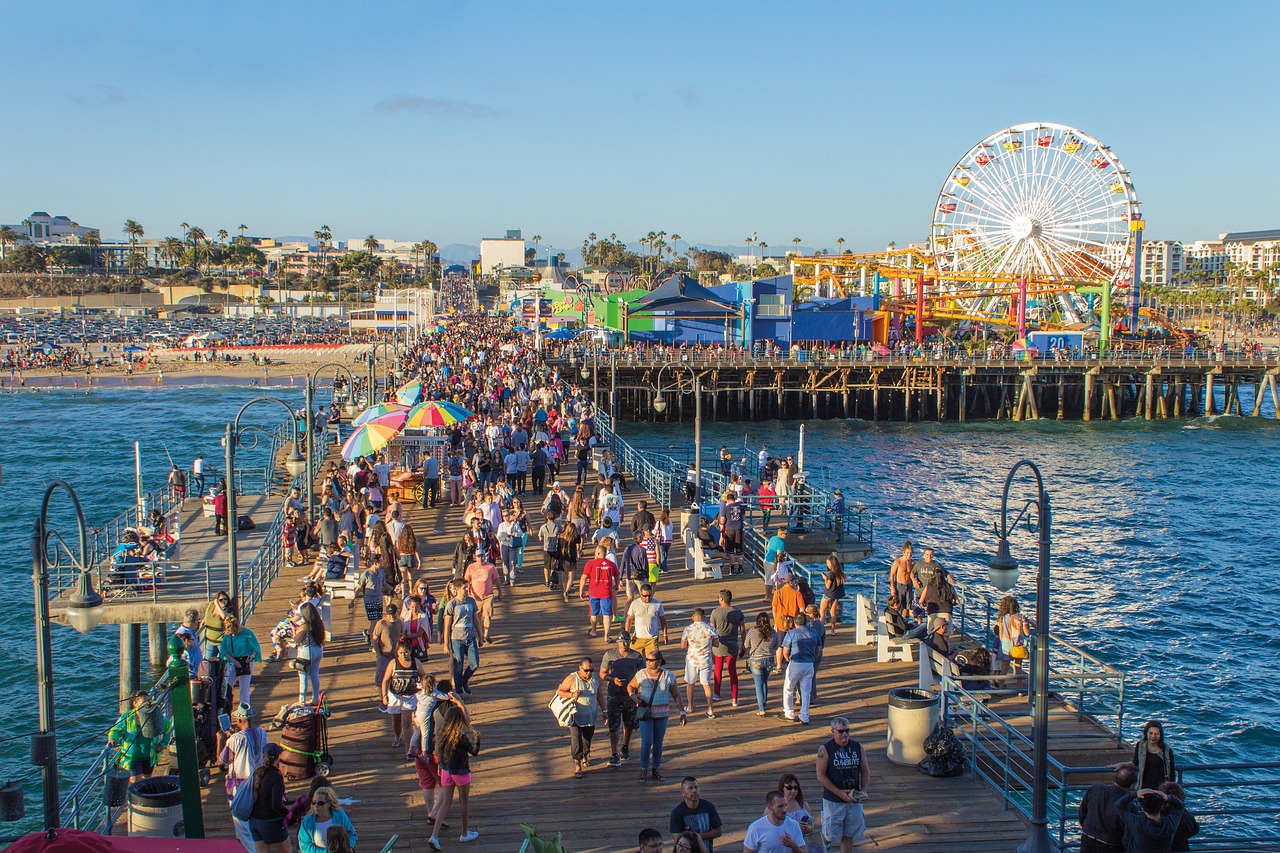
The truck rolled through neighborhoods that each had their own dusk: the glimmer of neon in Hollywood, the quiet patios of Beverly Hills, the ferris wheel lights in Santa Monica. For a moment, every city was linked by a single, practical act — hauling away what no longer served, making room for what comes next. The night smelled faintly of eucalyptus and sea salt, and the silhouette of the dumpster truck receded until it was just another light moving through the city’s constellation. The relief it left behind was not loud; it was a quiet, domestic kind of triumphant: space reclaimed, futures opened. That was the final image — a small, steady victory in the sprawling, shifting map that is Greater Los Angeles.
Last Whisper
Some mornings later, as a new project kicked off in Burbank and a block party cleanup finished in Inglewood, someone else would call for a dumpster. The city would cough and clatter and keep turning. But for a while, on Maria’s street, there was room to breathe.