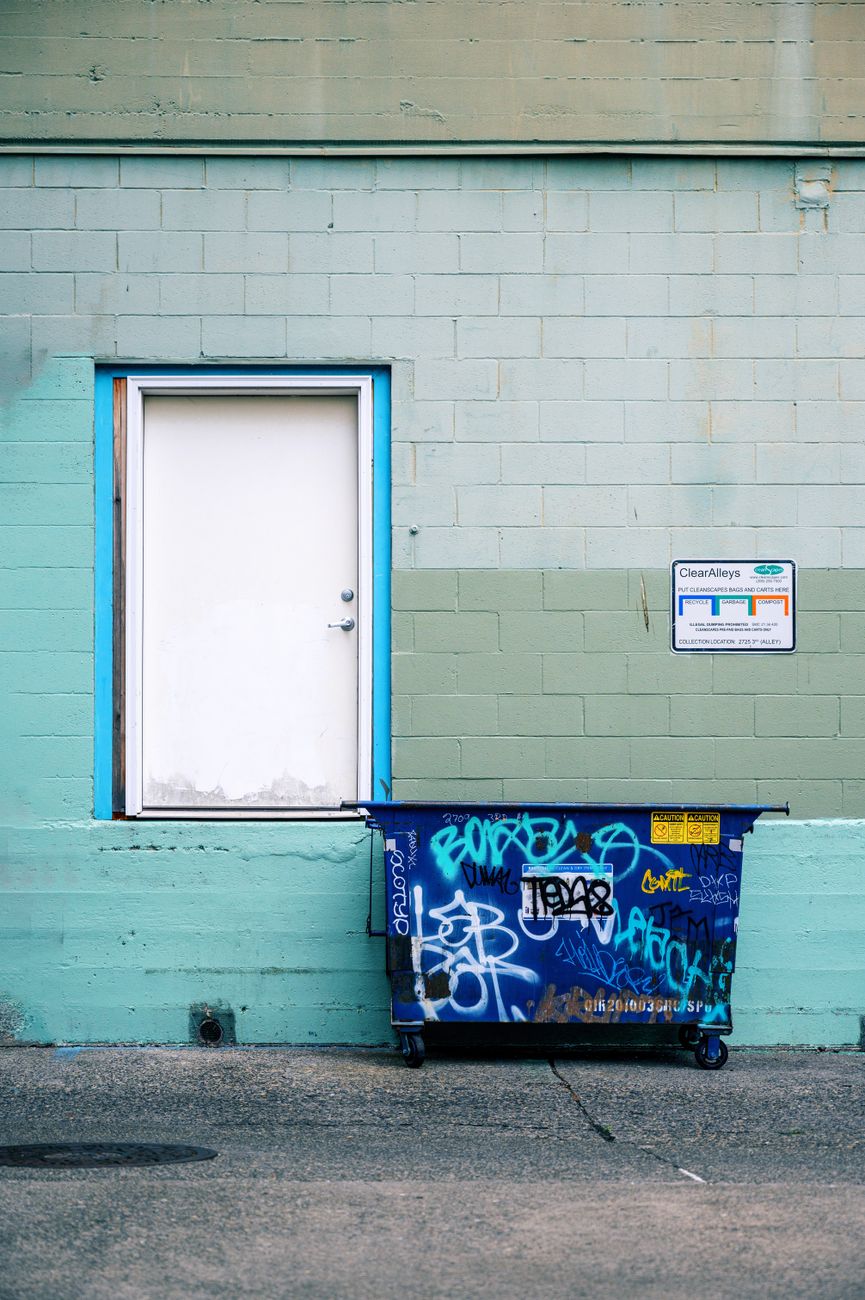
The first time I saw a dumpster move through my block in Echo Park, it felt like an arrival. It wasn’t a parade float or a film crew rolling in—it was a hulking, weathered metal box draped in orange cones, humming with the smell of sawdust, damp insulation, and last week’s rain. Mrs. Alvarez stepped out with her mug of coffee and blinked at the sight. ‘Who said our little house was getting so famous?’ she laughed, though the truth was quieter: the house had been gutted, and the dumpster was the first honest sign of change.
Setting the Scene: Morning on a Los Angeles Street
Sunlight hit the palm leaves at a low angle, casting strips of gold across cracked asphalt. A driver in a reflective vest leaned into the cab of a roll-off truck, the diesel breathing like a sleeping animal. From Hollywood to Long Beach, from Santa Monica’s wind-bent palms to the eucalyptus-lined avenues of Pasadena, dumpsters announce progress in a city that remakes itself daily. The street smelled of coffee and fresh-cut lumber. Somewhere, a radio whispered old rock from a passing sedan.
Characters and Context: A Neighborhood Remodel
This was not just any remodel. The homeowners—Mrs. Alvarez and her son Rafael—had decided to open up the back of their 1920s bungalow in Echo Park, knock out a load-bearing wall and install skylights. They hired Miguel, a contractor who’d grown up in Burbank and knew the rhythm of LA renovations like the back of his hand. Miguel arrived with Sonia, his crew lead, and a plan that would soon become a lesson in logistics, city codes, and the strange choreography of dumpster placement.
Rising Action: Permits, Parking, and a Surprise Inspection
‘We thought we’d need a 20-yard, maybe two days,’ Sonia told me, tapping a clipboard. ‘But once the demo began, the piles grew like wildfire.’ The first tension point arrived in the form of a parking citation. The roll-off sat half in the street, half in a driveway, and a neighbor from up the block—Mr. Chang from Silver Lake—came out, frowning.
‘Did you get a permit for that?’ he asked. In Los Angeles, and in many surrounding cities like West Hollywood, Santa Monica, and Beverly Hills, you often need a temporary street occupancy permit to place a dumpster on the curb or in a parking lane. Miguel waved a folded permit certificate like a talisman. ‘Yes. City of Los Angeles approved. We have the number.’ But Los Angeles County can be picky: no obstruction of sidewalks, proper signage, reflective cones at dusk, and specific hours for placement. In Long Beach and Pasadena the rules differ slightly; some municipalities require additional insurance or a bond.
Then came the inspector—an official with a clipboard who smelled faintly of smoke and lunchtime tacos. He circled the dumpster, peered into the cavity where drywall and roofing shingles had been tossed, and asked about hazardous materials. ‘Any asbestos, paint cans, batteries, or electronics inside?’ he asked. Sonia shook her head. ‘We segregate: e-waste goes to certified recyclers, paints are kept aside for hazardous pickup, and metals go to the scrap pile.’ In Los Angeles County, and neighboring cities like Torrance and Carson, regulations around hazardous waste are strict. Violations can lead to hefty fines and a work stoppage.
Key Insights Woven into the Story
The work progressed, and with it came practical lessons. The dumpster grew a language of its own: a 10-yard for small cleanouts, a 20-yard for most home remodels, a 30-yard for major renovations, and a 40-yard for full-house jobs. Miguel explained the math as he tossed a chunk of drywall into the bin: ‘Think cubic yards and truck load size. Ten-yard is like a small garage; twenty is most common. But you can’t just guess—there are weight limits. If you fill it with concrete or dirt, you hit weight before volume.’
Sonia added, ‘Check the tipping fee at your local transfer station. It changes by weight and material. Concrete can cost you, but recycling it may be cheaper if there’s a local crusher.’ She cited Marina del Rey and San Pedro as places with distinct transfer operations; if you were hauling to a facility near Long Beach, the rates and hours could differ.
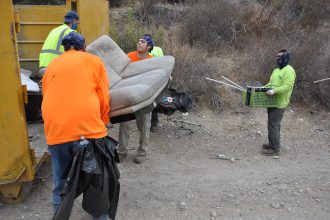
Donation became its own subplot. A battered but salvageable dresser and a stack of intact doors were pulled aside. ‘Goodwill will take that, or Habitat ReStore,’ Miguel suggested. ‘Donating saves disposal fees and keeps useful materials out of the landfill—Los Angeles has a strong reuse network.’ Across the region—from Culver City to Anaheim—nonprofits coordinate pickups and drop-offs differently, and some offer tax receipts for donations.
Complications: Neighborly Tensions and Unexpected Fill
Midweek, a neighbor called to complain that the dumpster blocked sightlines for backing out of a driveway. It was a small drama, but in densified neighborhoods like Silver Lake, Venice, and West Hollywood, every curb is contested. Miguel negotiated a compromise: the crew shifted the dumpster a few feet, added reflective signage, and borrowed plywood to protect the street from crushing. ‘We try to avoid utility covers and drive across boards so the asphalt doesn’t scar,’ Sonia explained.
Then came the unexpected: a refrigerator they’d been told was empty contained a hidden stash of old paint cans. Suddenly, the small project accumulated hazardous waste that required special handling. The inspector returned, issuing a directive: separate the cans, label them, and arrange for hazardous waste pickup. The crew moved fast—rubber gloves, an absorbent soil pad, sealed containers—and all the while Rafael watched from the porch, worry etched on his face for the extra time and cost.
Practicalities in Plain Sight: Scheduling, Sizing, and Safety
Through the back-and-forth, the article of everyday knowledge became plain: schedule your dumpster at least a week in advance if you’re in high-demand areas like Beverly Hills or Malibu during summer. Consider weekday drop-offs to avoid weekend surcharges in places like Anaheim or Long Beach. If the pickup needs to happen on a busy street or within 500 feet of a protected tree or fire hydrant, plan for extra time and a potential permit. Always get a written estimate that includes size, weight allowance, overage fees, and pick-up windows.
Safety was a recurring refrain. ‘No overloading,’ Sonia said as she knelt to inspect the top. Overfilled dumpsters are a hazard in windy conditions—tarps and straps matter, especially in coastal gusts near Santa Monica and Malibu. Secure free-standing debris, avoid stacking beyond the rim, and keep people clear during loading. Crew members wore gloves, steel-toe boots, eye protection, and masks when cutting drywall. For asbestos or lead paint, the protocol is specialized abatement; you don’t improvise.
Resolution: A Neighborhood Reclaimed
By the time the last sheet of drywall disappeared into the dumpster, something in the block had shifted. The house felt lighter; light now pooled where the old wall had been. Mr. Chang returned with a small tray of brownies—an offering of peace after the earlier complaint. ‘Looks good,’ he said, smiling. ‘Won’t know the place when it’s done.’ Sonia wiped her hands and grinned back. ‘That’s kind of the point.’
The roll-off truck roared off down the street, the dumpster slung back onto the bed. It left a rectangle of disturbed asphalt, a scuffed patch where the plywood had protected the pavement, and a faint scent of sawdust and citrus cleaner. Rafael climbed the stoop, wrapped a blanket around his shoulders, and took in the view: the fractured skyline of Los Angeles, the undulating hills of the Valley, the distant glimmer of the Pacific. It felt both intimate and epic—a small house amid a sprawling city that never stops making and unmaking itself.
Takeaways: What to Remember and Do
If you’re planning a cleanout or remodel in the Greater Los Angeles Area, remember the lessons from this street: choose the right dumpster size for your volume and material; understand that weight matters as much as cubic yards; check local permit rules for curb placement in Los Angeles, Santa Monica, Beverly Hills, West Hollywood, Long Beach, and other nearby cities; separate hazardous waste and electronics; donate salvageable items to local charities; protect the street surface and avoid blocking sidewalks; get a written quote that details extra fees; and hire a licensed, insured hauler familiar with local transfer stations and recycling options.
But beyond the checklist lies a quieter truth: a dumpster is not only a receptacle for debris. It’s the portal through which a home’s past makes way for its future. It carries away memories—old shingles, sun-faded wallpaper, a decades-old flowerpot—and clears space for light, for air, for new footsteps. The process is messy, noisy, bureaucratic, and sometimes anxious, but it is also profoundly hopeful.
As the sun slid lower behind the Santa Monica foothills, the last of the crew packed up. Sonia handed Mrs. Alvarez a small envelope with the final receipt. ‘You did great,’ she said. Rafael clasped her hand. Mrs. Alvarez looked at the empty lot and then at the column of palms lining the street. ‘It looks like the beginning of something,’ she whispered.
On that warm Los Angeles evening, the city hummed with a thousand similar low-grade revolutions: a kitchen strip in Burbank, a garage conversion in Torrance, a backyard made into an ADU in Culver City, a studio space in Hollywood. Each one carried its own dumpster, its own set of rules and neighbors and rewards. The roll-off trucks would return, of course—this is a city that remakes itself—but for now, standing on the porch with the skyline spilling gold, the neighborhood felt, briefly, like a clean slate.
The dumpster’s shadow stretched long across the pavement, receding into the evening. The last light caught the edge of the metal, turning it almost golden—an industrial relic that, for one brief moment, looked like a promise.