The first time Maria saw the house, it sat like a forgotten photograph at the corner of Figueroa and an alley full of palm shadows, a 1920s Craftsman that smelled of old books, dust, and lemon oil. She imagined dinner in the sunroom, children running through the backyard, and a kitchen stripped and reborn. What she did not imagine was the mountain of things that had to be carried out the door: drywall, a decades-old bathtub, a stack of sun-faded records, a rusted grill, and a refrigerator that still hummed when unplugged. That is when the dumpster truck arrived and changed everything.
The Setup: A House, a Plan, and the City
Maria’s contractor, Jamal, measured the driveway with the precision of someone who had navigated hundreds of Los Angeles front yards. “You want a 20-yard roll-off,” he said, shading his eyes from the late-afternoon sun. “Not too big for the driveway, big enough for the demo. But we have to think about placement. If the city’s street sweeper needs the space or the neighbor’s HOA objects, we get delays. In Pasadena and Glendale, those rules are strict. In Santa Monica, they almost breathe recycling.”
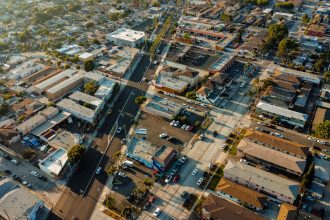
They drew a mental map of the job: the dumpster would sit on the left side of the driveway, as close to the garage as possible. Jamal placed a single orange cone at the curb. Maria glanced down the block: kids on bikes, a deli with a bell that chimed when the door opened, and the soft rumble of a bus. This was not an industrial lot in Vernon or a warehouse in Downtown LA; this was a neighborhood where evening walks, not forklifts, ruled the rhythm of life. Still, a roll-off container would fit, provided they followed the city’s rules.
Rising Action: Permits, Permissiveness, and Panic
There was a moment on Tuesday when everything seemed to stall. Jamal called the dumpster company and learned they needed an over-the-curb permit from LADOT because the container would extend slightly onto city pavement. “You mean I can’t just plop it down?” Maria asked, picturing the truck with its hydraulic arms and a driver who spoke in short, efficient sentences.
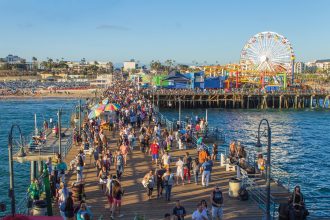
“You can,” Jamal said, “but not everywhere. In Beverly Hills, Culver City, and parts of West Hollywood they watch that stuff. And if you put it on the street in front of the Santa Monica pier, expect a citation. In Long Beach and Torrance, they’ll want to know about construction debris and whether you’re separating out metal and electronics.”
Her neighbor, Mr. Ruiz from next door, leaned over the white picket fence and asked, “Is that noisy?” He had lived through kitchen remodels and summer pool contractors. Maria smiled and admitted she did not know how loud a dumpster could be until a 20-yard container clanged as a team tossed ceramic tile into it. Sparks of dust hung in the late sun, and the smell of fresh-cut lumber mixed with diesel. Jamal reassured her: “We’ll handle the permits. We’ll do the load plan. You focus on the backsplash.””)
Key Insights: Choosing Size, Following Rules, and Being Green
As the story unfolded, practical lessons emerged. Jamal explained them the way a good teacher does—by showing, not lecturing. He pointed to the various dumpster sizes on the brochure and to the truck that idled across the street. “A 10-yard fits small cleanouts, maybe a bathroom gut. A 20-yard is the classic for whole-kitchen and small-room demo. For major renovations or estate cleanouts, you step up to 30 or 40 yards. But weight matters—concrete and dirt can blow through your weight allowance quickly, and then you get charged for overage at the transfer station.””)
He also talked about what not to put in a roll-off: paints, solvents, batteries, fluorescent tubes, and e-waste. “Los Angeles County takes hazardous waste seriously. For that, go to a Household Hazardous Waste collection day. In Anaheim or Long Beach, they have specific drop-offs for electronics and appliances. And if you’re in LA proper, Goodwill and Habitat for Humanity accept furniture and usable goods—donate first.””)
There was a lesson about timing. For a project in Burbank where a small film crew had just wrapped, Jamal scheduled a same-day pickup right after a set strike to keep the noise and clutter off the public way. In Culver City and Inglewood, where streets narrow and parking is at a premium, a carefully timed delivery—early morning before rush hour—avoids angry neighbors and parking ticket fines. “If you can, schedule the drop when streets are quiet,” Jamal advised. “Get your permit in advance. Keep neighbors informed. The little things prevent big surprises.”
On the Ground: The Work in Motion
The dumpster arrived with a hiss of hydraulics and a metallic smell that smelled like industry and rain on hot pavement. The crew wore bright vests and the calm of people who had lifted refrigerators and couches through narrow doorways in Echo Park, Boyle Heights, and beyond. “Watch the hinge,” the driver called as Jamal steadied a rusted garden gate. They moved with a choreography refined by hundreds of similar jobs: couch, through the arch; three boxes of tile, angled carefully; a piano leg, padded and hoisted.
Neighbors came by—some curious, some helpful. Mrs. Alvarez from across the street brought iced tea and said, “It used to be Mr. Henderson’s place. He’d sit on that porch and whistle.” Maria listened and felt the house become less of a project and more of a place. The dumpster, once a foreign metal mouth, became part of the neighborhood backdrop, an honest container for the past.
Complications: Weather, Weight, and Waste Diversion
On day three, a rainstorm rolled in from the Pacific, and the crew had to tarp the load. Water adds weight and can complicate disposal, especially for materials that become sticky or that leach into the street. Jamal tied down the tarp and checked the straps. “If it rains, we tarp. If it’s windy, we secure. L.A. is mild, but weather hits every few weeks—from Santa Ana winds to coastal drizzle—and you can’t be cavalier.”
Then there was the question of recycling. Los Angeles County has been pushing for higher diversion rates—less landfill, more material recovery. When a worker tossed copper piping into the bin, Jamal paused and dug it back out. “Metals get recycled and often pay back a few bucks at the scrap yard,” he said. “Bring wood and clean concrete to the right facility. It saves money and the planet.””)
Resolution: The Last Load and a City Sunset
By the time the dumpster was half-full, the house looked like a different place—sunlight fell cleanly across the stripped interior, and the smell of lemon oil lingered less from the old furniture and more from the promise of renovation. Maria stood on the front steps as the crew piled the last of the debris into the container. A tile slab hit the metal with a dull, satisfying thunk. The driver hopped in the cab. “We’re taking this to Sunshine Canyon,” he said, referring to one of the region’s main facilities where demolition debris is handled, “and we’ll sort metals and bulky items. I’ll get you the ticket with the weight and the dump site, and we’ll upload the proof for the permit office.”
They closed the dumpster’s doors and secured the tarp against a breeze that smelled faintly of sea salt from Santa Monica, even though they were a dozen miles inland. Maria breathed in the end of a chapter and the start of another. The house felt larger without the heavy furniture, as if the walls could finally exhale.
Takeaway: What to Remember When You Need a Dumpster in Greater Los Angeles
Maria’s story is simple and practical in its lessons: pick the right size, get the permits, sort and donate what you can, keep hazardous items out, and hire experienced crews who know Los Angeles City and County rules. Schedule deliveries with an eye on traffic—morning drops in Burbank or Torrance, permits for curb placement in Pasadena or Beverly Hills, and extra attention to recycling in Santa Monica and Long Beach. Keep receipts; transfer station weights and tickets will help you avoid surprises with tipping fees and can validate permit compliance.
More than that, treat the process as part of the neighborhood conversation. Let neighbors know what you’re doing, coordinate times, and consider donating salvageable items to local organizations rather than discarding them. The dumpster is not the end of the story—it’s the means by which a place can be renewed respectfully and in step with the city’s environmental and community standards.
The Final Image
When the truck pulled away, the street looked renewed. A soft light filtered down from the hills toward downtown, and in the distance the silhouette of palm trees cut the sky like careful brushstrokes. Maria stood in the threshold, the hum of the refrigerator gone, the echo of work left in the quiet. For a moment, Los Angeles felt like a city stitched together of neighborhoods, each with its own rules and rhythms—from the tide-kissed lanes of Santa Monica to the industrial echoes near Long Beach, from the tree-lined streets of Pasadena to the studio-lined avenues of Burbank. The dumpster had been a blunt instrument, a necessary inconvenience, and—if used wisely—a tool of renewal. She closed the door and imagined the backsplash she would choose, the chairs she would buy, and the first dinner she would host when life inside these walls felt new again. Outside, the sky blushed gold against the western horizon, and the final image hung—simple, clean, a house ready for its next chapter.