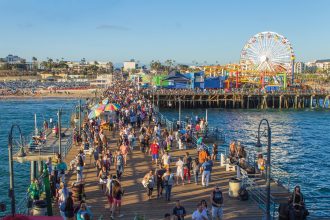
The first time I watched a dumpster arrive in my neighborhood, it felt like a small ship docking. The sun was low over the Santa Monica Pier, the air smelled faintly of salt and asphalt, and a hulking green metal box rolled onto the curb with the practiced thump of hydraulic jaws. Neighbors stepped onto porches as if to witness a rite: the end of a renovation, the clearing of a lot, the chance to make room for something new. “It’s strange how such a simple thing can change a street,” Mrs. Hernandez from across the lane whispered, cradling her coffee, watching the crew stabilize the container on a stack of wooden boards to protect the driveway. “It’s going to be noisy, but it’s progress.”
Setup: Why a Dumpster Matters in LA
Greater Los Angeles moves fast, and so does its waste. From a bungalow refresh in Echo Park to a major teardown in Torrance, dumpsters are not just metal boxes; they are logistical solutions. The characters in this story are many: homeowners in Silver Lake reclaiming space; contractors in Burbank racing against studio deadlines; community organizers in Compton coordinating neighborhood cleanups; and the drivers who know every narrow lane from Beverly Hills to San Pedro. Each has a different relationship to the dumpster, and each lesson about removal in LA comes with a backdrop of palm trees, freeways, and the omnipresent hum of city life.
Rising Action: The Complications That Come With a Drop
When Javier, a contractor from Downtown LA, called to schedule a 30-yard dumpster for a Hollywood renovation, he thought it would be straightforward. “We’ll be done in a week,” he told his client. But logistics in a city of neighborhoods—where parking is a commodity and streets are narrow—add friction. The original plan was to place the dumpster on the curb in front of the home on a bustling stretch of Sunset Boulevard. Then the city announced a film shoot that would close the block. The permit Javier had planned on securing through LADOT suddenly had to be adjusted for dates and time windows.
Meanwhile, in Malibu, a homeowner discovered that a standard 40-yard container couldn’t be placed at the end of her winding driveway because of the steep grade and a protective subterranean drainage system. In Long Beach, a house flip filled two dumpsters in three days—and then the crew found upholstery and paint that had to be handled as hazardous waste. Across town in Pasadena, volunteers filling a dumpster during a community cleanup thought they could toss old televisions in with the mattresses, only to be stopped by a crew member who explained the cost and legal issues of mixing e-waste with standard debris.
Key Insights: What I Learned About Dumpster Removal in Greater LA
Every setback revealed a practical truth. Here are the lessons we learned through noise, sweat, and the occasional argument over placement:
1) Dumpster sizes matter. Standard rentals come in 10, 15, 20, 30, and 40 cubic yard sizes. A small kitchen remodel might fit in a 10- or 15-yard container; a whole-house cleanout often requires 30- to 40-yard dumpsters. Javier’s miscalculation turned into a reminder: estimate generously and ask the rental company for a walk-through if you can.
2) Permits and parking. If a dumpster is placed on the street in Los Angeles, Santa Monica, or Beverly Hills, you usually need a permit from the local city or the LA Department of Transportation. Permit fees vary—from a nominal $25 in some suburbs to higher fees in higher-regulation areas like Santa Monica—and the process can take a few days. Without a permit, fines and enforced removals are possible, and film shoots or neighborhood events can complicate timing.
3) Weight limits and overages. Dumpsters have weight limits; the base rental often includes a ton or two of debris, and additional tonnage is billed extra. Heavy materials like concrete, dirt, or tile can cause steep overage charges. In Glendale, a sidewalk project that filled one dumpster with chunks of old patio stone became an expensive surprise.
4) Prohibited and hazardous items. Items such as batteries, paint, solvents, asbestos-containing materials, tires, and certain electronics shouldn’t go into standard dumpsters. Los Angeles County operates household hazardous waste facilities, and many cities offer specific drop-off days. When the Long Beach crew found paint cans, they had to segregate them and schedule a separate disposal trip to comply with environmental rules.
5) Recycling and donation. Not everything thrown away needs to touch the landfill. Habitat for Humanity ReStores, Goodwill locations across LA County, and local furniture charities will often accept usable items. Contractors working near Burbank and Culver City found that staging a separate pile for salvageable items cut disposal costs and gave items new life.
6) Driveway and property protection. Use of wooden boards, planks, and protective mats prevents gouging and oil stains on driveways. In Beverly Hills and Brentwood, clients insist on these measures to preserve property value and aesthetics. I watched as a conscientious driver placed thick hardwood planks before the dumpster touched down, the metal scraping quietly against the wood instead of the stone.
Resolution: Turning Chaos into Order
Slowly, we saw how the right choices made all the difference. Javier rescheduled the pickup, secured a permit, and coordinated with the film production office; the dumpster sat patiently for its two-week stint, emptied as needed, and left without disrupting the neighborhood. In Malibu, the homeowner arranged for a smaller, ground-level pickup and used a local transfer station that accepted oversized materials. The Long Beach crew separated hazardous wastes, took them to the county’s HHW facility, and avoided fines. In Pasadena, the volunteers learned to stack e-waste for special pickup and saved the community couple hundred dollars in disposal fees.
Throughout these scenes, the crews were a mix of characters: a soft-spoken driver who’d navigated the 405 during rush hour more times than he could count, a young foreman who used an app to track container locations, and a neighborhood volunteer who felt like she was reclaiming the street one mattress at a time. “It’s not just hauling trash,” the driver said once, wiping a bead of sweat from his brow under a cap that read LOS ANGELES. “It’s about timing, care, and knowing where everything belongs.”
Takeaway: What to Remember and Do
If you’re planning dumpster removal in the Greater Los Angeles Area, here are practical, scene-tested steps to make it seamless:
– Choose the right size: Overestimate rather than underestimate. A few extra dollars for a larger container beats daily overages or an extra rental.
– Check permits early: Contact your city’s public works or LADOT for curb placement permits. Allow several business days for processing, especially in busy districts like Downtown LA, Santa Monica, or Hollywood.
– Separate hazardous materials: Plan ahead for paint, electronics, batteries, and tires. Use LA County HHW facilities or scheduled pick-ups.
– Protect property: Ask for driveway protection boards and confirm the crew uses them. In neighborhoods like Beverly Hills and Pasadena, this preserves investment and curb appeal.
– Recycle and donate: Call local ReStores and charities. It’s environmentally responsible and often cheaper.
– Schedule smartly: Avoid rush hours and big events. In Inglewood and near SoFi Stadium, for example, event days complicate traffic and parking, so plan around them.
– Communicate with neighbors: A simple flyer or a text letting people know when a dumpster will arrive can reduce complaints and friction on narrower streets such as those in Silver Lake or Echo Park.
Final Scene: A Street Made New
On the final morning of the project I watched a truck ease away from a Culver City home, the dumpster now empty and the street quiet. A little boy had left a crayon drawing taped to the container’s side—bright suns and stick figures celebrating the newly cleared lot. Neighbors emerged, exchanging smiles and the kind of small talk that marks a temporary pause in ordinary routines. The air smelled of hot tar and nearby coffee; seagulls wheeled faintly above, drawn perhaps by the bright light on the ocean horizon beyond Santa Monica.
It’s an odd thing to feel sentimental about a dumpster, but there it was: a vessel of endings and beginnings. The homeowners in Torrance could move forward with a new garden, the studio in Burbank could install fresh set pieces, and the community in Pasadena had a cleaner alley. For all the clang of metal and the grind of labor, the final image stays with me: the container lifted gently by the truck, a ribbon of sunlight catching its painted surface as it became another piece of the city’s rhythm, swallowed into the traffic like a ship setting sail at dusk.
If you find yourself planning a removal in Los Angeles, take a breath, call the right company, secure the proper permits, and remember: every dumpster tells a story of what we leave behind and what we’re making space for. Watch for the little details—a stack of boards protecting a driveway, a separated pile for donation, a friendly neighbor handing over cold water to a weary crew. In the end, it’s not just trash that gets hauled away; it’s a chapter closed and a quiet, hopeful blank page left for whatever comes next.