The first time I saw the alley behind Maria’s bungalow in Echo Park, the air tasted like dust and citrus—sawdust from deconstructed cabinets and the bright bite of orange peels someone had tossed into a bag. A bright-orange dumpster sat like a parked whale between two palm trees, its sides scored with old graffiti and the faint imprint of a long-ago advertisement. I remember thinking: one noisy truck, one metal box, could change the shape of a neighborhood afternoon.
Setup: A renovation, a route, and a man named Rico
Maria had called the company after midnight, anxious and excited. “We found a vintage sink under the floorboards,” she told me over the phone, her voice a mix of glee and fatigue. “But there’s drywall coming out, and those old tiles—it’s a mess.” She lived two blocks from the 110 in a stretch of Los Angeles stitched with neighborhoods—Echo Park, Silver Lake, a finger that reached toward Highland Park—each street carrying its own clinging history. Maria wanted the clutter gone before the contractor in Burbank started installing the new fixtures.
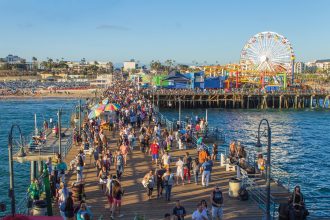
Rico, the driver, folded himself out of the cab of a battered roll-off and wiped grease off his hands with a piece of cardboard. He’d been hauling through the Greater Los Angeles sprawl for twenty years, following a route that read like a postcard: Santa Monica waves and surfers’ foam mornings, the flat salt-bleached light of Long Beach, the shady elms of Pasadena, then the tidy corporate strips of Glendale and the hum of LAX-area warehouses. His truck smelled of diesel and hot metal; the radio played old soul songs low enough to keep his rhythm.
“You’d be surprised what people throw away,” Rico said, unlocking the dumpster’s chain. “Yesterday in Inglewood I picked up a piano that still worked. In Torrance, a guy left a stack of like-new shingles—could’ve saved ’em for neighbors. People think everything’s trash; sometimes it’s treasure, sometimes trouble.”
Rising action: Logistics, neighbors, and surprises
The city was alive with small conflicts: cars squeezed around the dumpster on a street that hadn’t seen a truck in months, Mrs. Alvarez from next door complained about the smell, and a kid on a skateboard used the dumpster’s lip as a springboard. Maria hovered with a cup of coffee, paint flecks still in her hair, watching Rico and his helper begin to load. The work produced a soundscape—thudded plaster, clink of metal, the dull thump of timber being tossed into the maw. A fly buzzed around an open paint can like a small, persistent question.
Rico paused, holding up a rusted propane bottle. “Can’t go in here,” he said. “That’s hazardous. Paints and batteries, too. We can take paint to a household hazardous waste facility or arrange a separate pickup. It’s about keeping everyone safe—our crew, your neighbors, and the people at the landfill.”
Selective strikes of information came with every toss. Different materials needed different handling: green waste for composting, metals for recycling, inert rubble for construction channels, and certain appliances that required certified disposal. The crew separated items into neat piles when space allowed, like surgeons marking sterile zones on a messy operating table. Maria felt both panic and relief: the pile of old justice—her grandmother’s wardrobe, warped with time—might be salvageable; the drywall dust could be dusty silica; tile adhesive often carried old chemical residues.
Key insights woven into the work
As the day moved, Rico spoke in practical rhythms: “Dumpster sizes—people ask all the time. For small remodels, a 10 to 15-yard will do. Kitchen renovations? Usually 20 to 30. Whole house? You might need a 40. We charge by size and weight, and sometimes by how long you need it. And if you want it on the street—in LA or Long Beach—you’ll likely need a permit. The city needs to know there’s a big metal box taking up parking.”
He explained permits simply: they prevent traffic hazards and ensure the dumpster doesn’t block hydrants or bus stops. “You call the city’s permit office or we do it for you,” he said. “Costs vary. If it’s Pasadena or Burbank the process’s a little different than Los Angeles proper. And beyond permits, there’s tipping fees—the fee to empty at the transfer station or landfill—so it’s smart to plan what you’re hauling. Divert recyclables and donationable items, and you’ll pay less.”
Rico’s helper, Jamal, added a practical list: “No tires, no paint thinners, no fridges with Freon, no asbestos. Those are special. If you have old concrete or dirt, tell the hauler—those are heavy. Weight is what gets people surprised at the end.” Their voices were soft against the clink of metal, the city’s hum of distant traffic punctuating their advice.
They also spoke of sustainability in ways that felt personal rather than preachy. “Dumpsters don’t have to mean landfill,” Jamal said, stacking a pile of copper pipes for recycling. “We send wood to a mill when we can, green waste to compost, and metals to scrapyards. The more you separate, the less ends up buried. When you work across cities—Santa Monica, Torrance, Anaheim—the rules change, but the idea doesn’t: keep valuable stuff out of the hole.”
Practical lessons along the route
When a neighbor in Pasadena asked if they could borrow the last strap of rope, Maria realized how communal projects become—neighbors watching, trading advice, offering tools. If you plan a dumpster, communicate early: tell neighbors, arrange for parking changes, and check whether the city requires cones or signage. For homeowners doing the job themselves, safety mattered. Gloves, dust masks, and eye protection were non-negotiable; silica dust from tile and concrete is small but fierce when breathed.
Choose your company with care: ask for a written estimate that lists size, rental days, weight limit, and fees for overages or prohibited materials. Ask where your debris will go—transfer station, recycling center, landfill—and whether the company sorts on-site or at the facility. Check reviews, ask about insurance, and make sure the hauler is licensed to operate in the specific city—Los Angeles has different business licenses than neighboring cities like Glendale or Inglewood.
On pricing: not a number etched in stone but a compass—small loads might run a few hundred dollars, larger commercial jobs climb into the thousands. Weight limits mean heavy materials like concrete and dirt can spike costs quickly. If in doubt, ask for a flat rate or a clear per-ton figure. “Transparency saves headaches,” Rico said. “And don’t forget: donation can cut costs and help someone else. Realtors and nonprofits often pick up furniture that’s in decent shape.”
Resolution: A street quieter than before
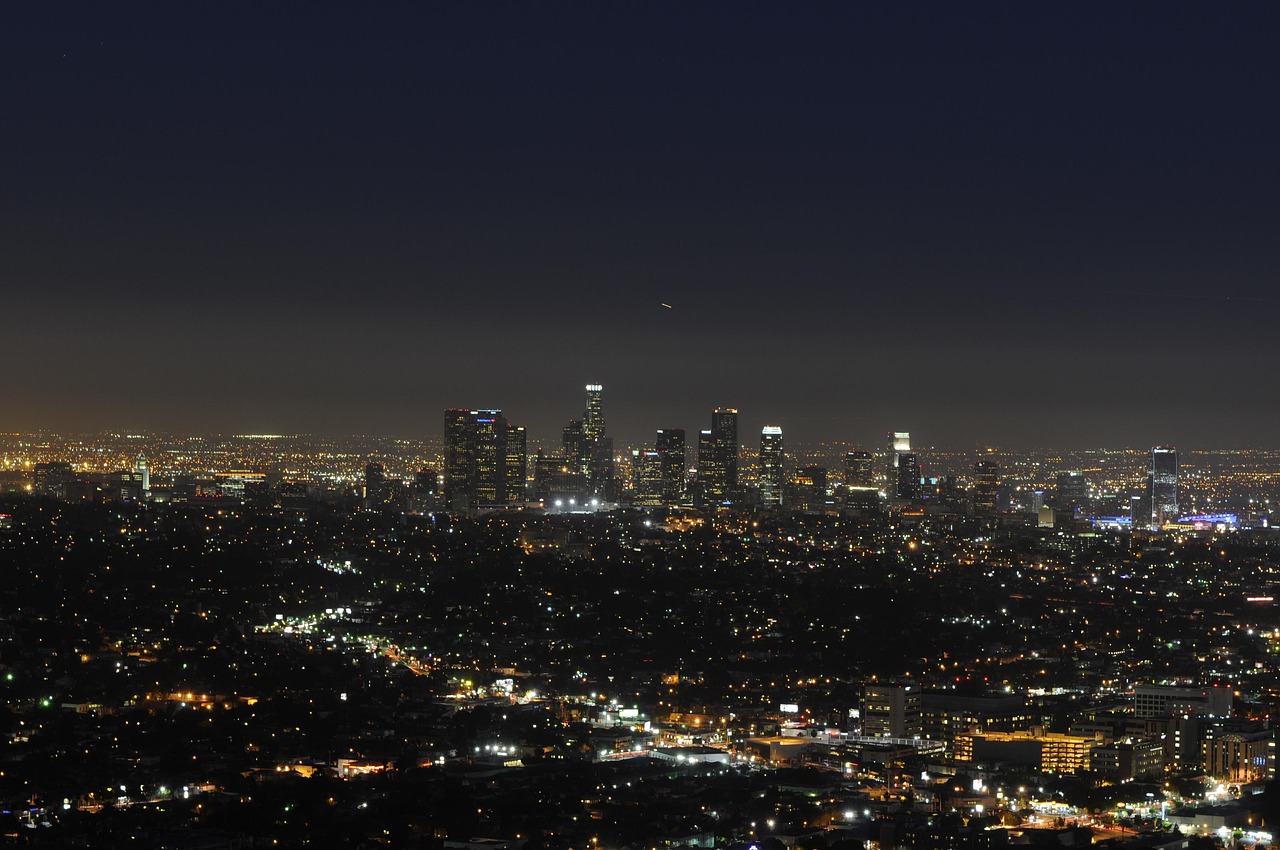
By sunset the dumpster was three-quarters full. The setting light thinned over the Hollywood Hills, and the LA skyline wavered like a mirage in the distance. Maria ran her hand over the newly exposed studs of her kitchen and smiled a small, tired smile. “It feels like breathing again,” she said. There was sawdust in the crook of her elbow and a faint metallic tang in the air from the day’s haul, but the chaos had been translated into order—one load at a time.
Rico closed the dumpster’s gate with a measured clang. The truck’s hydraulic arms lifted, the container rising, and for a moment the whole block watched the orange box hang against a sky that was bruised purple and gold. “We’ll take this down to the transfer station in Wilmington later,” Rico said, already weaving through the list of where items would be sorted, recycled, or responsibly disposed. He’d be back on the 405 before midnight, heading south to Torrance then farther to Anaheim for a Tuesday job.
Neighbors who had been skeptical now waved, carrying takeout boxes and fresh smiles. Mrs. Alvarez from next door stepped out, inhaled, and nodded. “Nice work,” she said. Maria handed her a stray piece of vintage tile—someone else’s salvage—and Mrs. Alvarez laughed with delight. “I’ll plant it in my garden. A little mosaic for the alley.”
Takeaway: What to remember and how to act
When a dumpster arrives, it’s more than a container; it’s a hinge in a neighborhood’s daily rhythm. It stirs questions about waste, responsibility, and the value of things. If you are planning a similar project in Los Angeles, Santa Monica, Long Beach, Pasadena, Burbank, Glendale, Inglewood, Torrance, or Anaheim, remember a few things: choose the right size, ask about permits, separate recyclables and donations, never put hazardous materials in the roll-off, and get a clear written quote that explains fees and weight limits. Communicate with neighbors, protect your crew, and consider greener disposal options whenever possible.
Rico’s truck vanished into the evening, tail lights drifting like a pair of red eyes down the boulevard. The alley settled into a calm that felt deliberate, like a room after company has left and the echo of laughter hangs in the walls. Maria stood with her hands in the pockets of her paint-splattered jeans, listening to the faint clink of a neighbor hammering in a new birdhouse. The dumpster was gone in the rearview mirror; the work remained in the bones of the house, in the light that now fell differently across the kitchen floor. Somewhere between the rumble of the truck and the hush that followed, the city kept moving—carrying its debris, gifts, and small miracles along the routes that keep Los Angeles humming.