It was the kind of late-August morning that makes asphalt shimmer in waves and the air taste faintly of salt and sawdust. Carlos stood on the cracked driveway of his Highland Park bungalow, staring at a mountain of drywall and old cabinetry like a defeated general. He had imagined the demolition day as a clean, cinematic cut: one truck, one load, and the past gone. Instead, the pile stretched from his garage to the sidewalk, and the city required a permit to block the street. He rubbed the back of his neck, feeling the diesel hum already building down the block.
Hook: The Call That Started a Neighborhood
‘We can be there by noon,’ said the voice on the other end of the line. It belonged to Marisol, dispatcher for a local roll-off company that serviced Echo Park, Pasadena, Long Beach, and nearly every neighborhood in between. ‘But if you’re putting it on the street, you’ll need a permit from LADOT, and Santa Monica has different coastal rules.’ Her calm, compact competence was instantly reassuring.
What Carlos didn’t yet know was that one dumpster delivery could ripple through neighborhood politics, HOA rules, traffic permits, and even change how he planned to recycle and donate usable materials. It would force him to learn more about dumpster sizes, city regulations, and greener disposal options than he had ever thought possible.
Setup: Who’s Involved and Where
Carlos isn’t alone. In Greater Los Angeles, homeowners and contractors—from Ventura Boulevard to the Port of Long Beach—turn to dumpster removal daily. The cast of characters includes local haulers, city permit officers, transfer station attendants, and neighbors who’d rather not have a bin sitting in front of their property for a week. There are also the overlooked players: the recycling facilities in Torrance, the transfer terminals near South Gate, the small mom-and-pop donation centers in Culver City and Glendale, and the municipal rules that differ block by block.
On the other side of town, a small contractor named Jasmine waited at a bungalow in Culver City with a calloused thumb over her phone. ‘We need a 20-yard for this job—old tile and a little framing,’ she told Marisol. In Santa Monica, another homeowner was told no street placement would be allowed near the pier during tourist hours. In Pasadena’s historic district, protective plywood and curb guards were mandatory.
Rising Action: Conflicts, Choices, and Tight Streets
Delivery day was an exercise in logistics. Carlos watched as the roll-off truck turned onto his narrow Highland Park lane, its engine thumping like a distant heartbeat. The driver, Mateo, jumped down, clapped his gloved hands, and surveyed the space.
‘You got a driveway pad we can use? Asphalt’s hot today—we don’t want to gouge it,’ Mateo said.
‘Pretty sure HOA said it’s okay,’ Carlos replied, but the sticker on the mailbox told a different story: the block’s neighborhood association had strict ‘no-street-obstruction’ hours. A neighbor, Mrs. Patel from across the way, came out with a thermos of coffee and an opinion.
‘It’ll make parking harder,’ she said. ‘But we need this corner to stay clear for the street cleaner.’
Jasmine’s project in Culver City presented different problems. A tight cul-de-sac meant the company could only bring a 10-yard bin, smaller than she wanted. In Long Beach, a contractor was informed that concrete and dirt would be charged at a higher rate and needed a dedicated roll-off for recycling. The tension wasn’t just about space; it was about fees, weight, and the shape of the city itself.
Key Insights: What Dumpster Removal Really Entails
As the steam of the morning lifted, Carlos learned the practical facts that would have saved him headaches if he’d known earlier.
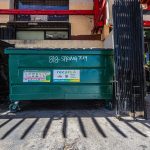
- Dumpster sizes and uses: 10-yard bins are for small clean-outs and garage projects; 20-yard bins fit medium renovations (kitchen or small roofing); 30- and 40-yard bins handle larger remodels or major construction. Narrow streets in Hollywood Hills and Burbank often require smaller roll-off units or special lifting equipment.
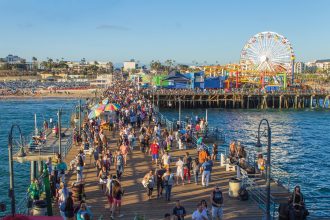
- Permits and placement: If a dumpster sits on the street in Los Angeles, you generally need a street-use permit from LADOT. Cities like Santa Monica, West Hollywood, and Pasadena have additional rules—coastal areas may restrict placement during peak seasons, and historic districts may require protective curbing and special signage.
- Weight and material restrictions: Most dumpsters come with a maximum tonnage. Overages are charged per ton—concrete, dirt, and roofing shingles often incur higher fees. Hazardous materials (asbestos, certain chemicals, tires, batteries, and Freon-containing appliances) are restricted and require special handling and documented disposal.
- Environmental options: Many haulers partner with recycling facilities and salvage groups. In Long Beach and Torrance, there are concrete and asphalt recyclers; in Glendale and Pasadena, thrift stores and donation centers accept working fixtures and cabinetry. E-waste and paints often have designated drop-offs to avoid landfill contamination.
- Scheduling: Weekdays are typically cheaper for delivery. Same-day or next-day service can be available in high-density neighborhoods, but expect a premium. Rental periods commonly run 7–10 days with extensions for a daily rate.
Marisol explained it to Carlos like this: ‘Think of the dumpster as a temporary storefront. If it’s on the street, everyone sees it. If it’s on your driveway, your compost smells, and your neighbors sleep better. But sometimes the street is the only option—and then it’s paperwork and timing.’ Her voice carried both empathy and the brisk efficiency of someone who’d moved bins through L.A.’s traffic more times than she could count.
Practical Scenes: The Smells, Sounds, and Negotiations
The truck’s brakes sighed as it reversed into position. Mateo’s boots crunched on gravel. The smell of old wood and dust rose like a season. Carlos felt the sun on the back of his neck and the prickly awareness of neighbors peeking through curtains. Across town in Santa Monica, the sea breeze carried the tang of salt and sunscreen, and the delivery crew had to work around pedestrians on Ocean Avenue.
‘We can place it here for two days, but no longer—city code enforcers patrol this stretch,’ the driver told a homeowner. The homeowner refolded a pair of sunglasses and nodded, grateful for the compromise that allowed a batch of tile to be hauled away before a family barbecue.
At a renovation in Torrance, a savvy contractor sorted materials by hand, setting aside metal, wood, and appliances. ‘You’d be surprised how much money we save by separating metal and appliances for recycling,’ she said, tossing a wrench into a salvage pile. Her crew loaded a small pickup with items destined for donation in West Hollywood and a family shelter in Inglewood.
Resolution: The Load Leaves Town
By mid-afternoon the bin at Carlos’s house sat half empty, the last of the drywall stacked neatly. Mateo’s crew tightened the chains. A small crowd had formed: Mrs. Patel, her thermos, the neighbor kids on bikes, and Jasmine, who had finished her Culver City job and come to offer a hand. Carlos felt oddly ceremonial watching the bin get tipped into the truck. The clatter of debris and the hiss of hydraulic arms filled the space when the back door slammed, and the truck rolled away, leaving a faint trail of dust and a cooler patch of sunlit driveway.
‘That wasn’t so bad,’ Carlos said, breathless and grinning, as if he’d crossed a finish line. Marisol, checking in, reminded him about the leftover screws and the need to take hazardous paint to his city’s household hazardous waste day. ‘And don’t forget to call the neighborhood association about the street cleanup—we’ll send a certificate for the permit,’ she added. Her small administrative gestures smoothed over what could have been a lingering friction.
Takeaway: What To Remember and Do
From Highland Park to Long Beach, from the shaded alleys of Glendale to the sunlit promenades of Santa Monica, dumpster removal in Greater Los Angeles is less about brute hauling and more about choreography. Remember these practical steps:
- Choose the right size. Measure driveway dimensions and account for swing radius on narrow streets like those in Burbank and Hollywood.
- Check local rules. Contact LADOT for street permits in Los Angeles, and review city-specific rules for Santa Monica, Pasadena, West Hollywood, and Long Beach.
- Separate materials. Donate what you can, recycle metal and concrete, and use proper channels for e-waste and hazardous materials.
- Plan timing. Weekdays and off-peak seasons lower costs; same-day service is possible but pricier.
- Protect property. Use plywood or curb guards in historic districts and get HOA approval if required.
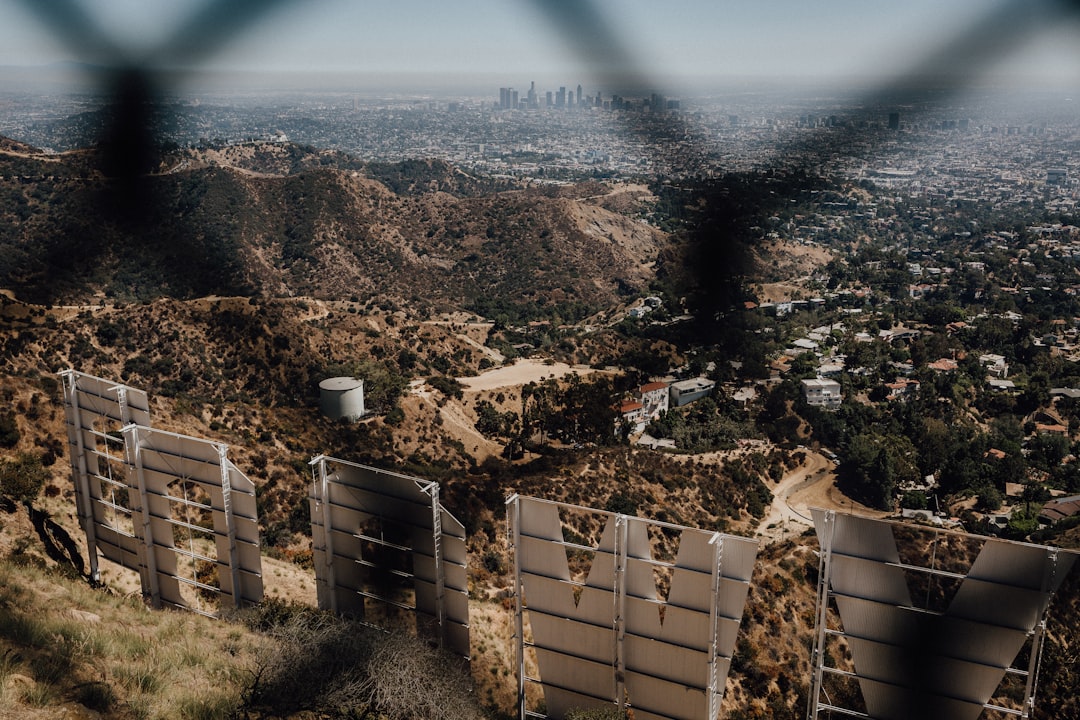
Carlos spent the evening sweeping, the bristle of the broom scraping out a rhythm that matched the city’s. Sunset draped the hills and palm trees in gold; the skyline’s silhouette in the distance felt less like a challenge and more like a promise—Los Angeles, with all its rules and variations, could be navigated with a little knowledge and the right team.
Later, sitting on the front stoop with a chilled soda, Carlos watched the last truck turn down his street. The sun sunk behind a low row of houses, casting long shadows over the spot where the dumpster had been. The scent of sawdust lingered, joined now by the distant smell of ocean from Santa Monica and the faint industrial tang from Long Beach—layers of the city mingling like different strands in a single braid. He felt relief and a little pride. The job had been cleaned, the city rules respected, and some usable materials would find new life elsewhere.
As lights blinked on across the neighborhood, Carlos realized that a single dumpster had been more than a container for debris. It had been a lesson in civic patience, local variations, and small acts that keep a sprawling city like Los Angeles functional. He picked up his phone and sent a quick text to Marisol: ‘Thanks. See you on the next one.’ She replied with a thumbs-up emoji and a note: ‘We’ll bring the curb guards next time. And don’t forget the permit receipt.’ The message sat on the screen like a tiny, municipal benediction.
In Los Angeles, even trash has a map—and knowing how to read it makes all the difference.
Photorealistic Image Prompt
Photorealistic image of a roll-off dumpster being loaded onto a heavy-duty truck on a sunny Los Angeles residential street at late afternoon golden hour. Include diverse crew of three workers in high-visibility vests and hard hats: one securing chains, one sweeping debris, one guiding the truck. Show details: dust motes in sunbeams, sawdust and broken drywall inside the dumpster, a row of palm trees and a distant skyline silhouette with low-rise buildings (suggesting Greater Los Angeles), and subtle neighborhood cues like a mailbox, parked cars, and a sidewalk. Add city-specific touches: a permit placard taped to the dumpster, a small sign for ‘Permit: LADOT’ visible, and a donation pile with usable furniture items to the side. Composition close enough to capture texture—peeling paint, gritty asphalt, scratched metal—while wide enough to include background hints of Santa Monica’s ocean breeze (seagulls or a distant pier silhouette) and an industrial shoreline hinting at the Port of Long Beach. Warm tonal grading, high dynamic range, shallow depth of field with crisp foreground detail and slightly softened background, photorealistic camera lens, 35mm focal length, natural shadows, and authentic light reflections on metal and glass.