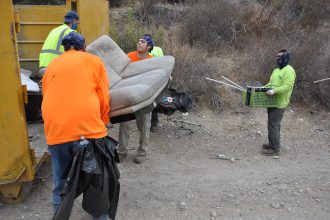
Have you ever watched a battered old couch disappear as if by magic, hauled away into the belly of a rusty metal box while the sun sets behind the Hollywood Hills? It happened to me on a Tuesday in June, and that small vanish felt like the first clean breath of a house after months of dust. The dumpster rumbled, the driver waved, and for a moment the chaos of renovation—nails, plaster dust, the smell of old paint—was simply gone.
Setup: The Project, the People, and the Place
Maya had bought a bungalow in Highland Park with peeling stucco, a backyard that had turned into a junkyard, and a stubborn, ivy-choked fence that hid three decades of accumulated belongings. She wanted light, space, and the kind of mid-century calm that feels rare in Los Angeles. Her contractor, Luis, was already deep into the list: demo the back wall, open the kitchen, reroute plumbing. But the city schedule was not hers to control. A client in Santa Monica had just postponed a job, and suddenly Luis’s crew could be on-site in less than a week. That meant an urgent call: what size dumpster can fit down her narrow Echo Park driveway? Where can it be placed without getting a ticket from the city of Los Angeles? How do you dispose of the old roof tiles that might be half concrete?
We talk about dumpster removal more than we notice. In Long Beach, you see roll-off containers sitting by the beachside warehouses; in Burbank, they appear near soundstages between takes. In Pasadena, a dumpster outside a Craftsman bungalow feels like an offering to the gods of restoration. Each container is a small story of transformation—of homes becoming new, of old things being responsibly retired, of neighborhoods adjusting to time.
Rising Action: The Clock, the Neighbors, the Permit
The story tightened when Maya’s neighbor, Mrs. Delgado, tapped her own window and frowned. ‘On-street dumpsters? They block the view of my tulips,’ she said. There is always a neighbor in Los Angeles who sees beauty differently. There is also the Department of Transportation, with forms and fees that arrive like rain on dry asphalt when you least expect them. On-street placement requires an LADOT permit in many parts of the city. If your driveway is too small and you need to put a container on the curb in West Hollywood or Silver Lake, that paperwork becomes part of the narrative.
Luis dialed his hauler while Maya measured the driveway again. ‘Twenty-yard,’ he said, ‘if we do the kitchen and the backyard. But no concrete—too heavy. We’ll need a separate load for that.’ The hauler, a gruff but efficient woman from a family-run company based in Gardena, asked about access, weight limits, and whether there would be anything hazardous—paint cans, asbestos shingles, fluorescent bulbs. In Los Angeles County, items like household batteries, electronic waste, and certain chemicals cannot go into standard dumpsters; they must be taken to specific drop-off centers or handled through special services. Maya had an old paint can under her sink that smelled like lemon and regret. It couldn’t go in the dumpster.
The tension ratcheted up: a film crew had booked the street two days after the scheduled delivery, and the permit office was backed up. A ticket or a tow would delay everything. The crew suggested a plan—place plywood on the driveway to protect the pavers, schedule a short-term permit for curb placement just in case, and segregate materials: metals and wood in the main roll-off, concrete and dirt in a separate container, and e-waste scheduled for the local transfer station in the Harbor Area.
Key Insights: What Dumpster Removal Really Involves
While the drama unfolded, the practical lessons began to appear like road signs. Here are the insights Maya learned the hard way, woven through the noise of jackhammers and the clink of nails:
‘Size matters’ isn’t just a slogan. Dumpster sizes typically range from 10 to 40 cubic yards. A 10-yard container is compact and good for small cleanouts or garage projects; 20-yard is a workhorse for kitchen remodels; 30- and 40-yard are for major renovations, roof tear-offs, or construction sites in Torrance or Inglewood. Choose too small and you pay more with time and extra trips; choose too big and you might block the lane or pay for unused space.
Permits are local and specific. The City of Los Angeles requires permits for any dumpster on public property. Santa Monica and some beach cities have stricter rules, especially when dumpsters could affect pedestrian paths or beachfront access. Your hauler often helps with the permit process, but responsibility ultimately rests with the property owner or contractor. Call your local DOT or city hall before the dumpster arrives—the permit lines and fees vary from neighborhood to neighborhood.
Know what’s allowed. Most haulers prohibit hazardous materials: solvents, asbestos-containing materials, tires, and certain chemicals. For items like old roofing shingles or concrete, confirm if the hauler charges extra per ton or insists on a separate container. Recyclable materials—metal, clean wood, and certain plaster or drywall—can often be diverted to C&D recycling facilities in the region. Companies like Athens Services and local transfer stations work with contractors to reduce landfill loads.
Protect the property. Driveway damage can become a costly subplot. Lay down protective boards or plywood under the dumpster, especially on older brick or stamped concrete driveways common in Pasadena and Glendale. If the city places the container on the street in Santa Monica or West Hollywood, make sure it’s not blocking bike lanes or loading zones; neighbors appreciate a quick note explaining the schedule and duration.
Timing and communication matter. In busy Los Angeles neighborhoods, coordinate with your hauler for delivery times that avoid rush hour and film shoot traffic. Many haulers offer same-day or next-day delivery, but a holiday or parade on the Sunset Strip can create delays. Give neighbors a heads-up and post a polite notice on the curb to avoid complaints.
Rising to the Climax: The Day the Dumpster Arrived
On the morning the crew showed up, the sun was already hot against the rooftop of Maya’s bungalow. Luis’s foreman, Ana, barked gentle orders: ‘Glue the plywood down, keep the crew hydrated.’ The hauler backed the truck down the narrow lane, engine growling. A smell of diesel met the scent of fresh-cut wood and the faint ocean salt riding inland from Santa Monica. The container hit the plywood with a heavy thud. For a startling instant, the house looked smaller—like a room had been excised—but it also looked ready.
‘Remember, separate the metal, the wood, and the hazardous stuff,’ the driver said, handing Maya a laminated sheet. ‘We can pick up the e-waste on Friday at the Harbor Transfer if you call before noon.’ Mrs. Delgado watched from her window, then opened her door and handed over a box of ceramic tiles she’d been saving. ‘They’d better recycle that properly,’ she teased. Neighbors who had seemed skeptical the week before were suddenly collaborators in a small, civic ritual of renewal.
Resolution: Load by Load
Load by load, the house transformed. The demo crew moved with a rhythm—rip, throw, sweep; rip, throw, sweep—and the 20-yard gradually filled with a mosaic of drywall dust, warped kitchen cabinets, and slabs of tiled flooring. They kept a tight rule about weight, watching the piles to avoid overloading. On the third day, they called for a second dumpster for the concrete fragments from the patio tear-out. The hauler arrived cheerfully, crane arms swinging, and took the heavy load to a facility that handled concrete recycling in the Harbor Area.
The city came by once to inspect the permit and tipped a hat to the crew’s organization. Maya learned that some of the paint leftover could be processed through a local hazardous waste day event, and that old fluorescent bulbs had to be boxed and taken to a specific drop-off in Glendale. The rhythm smoothed. By the end of the week, the house was a frame and a promise, the dumpster half-full, the street clear by sundown.
Takeaway: What to Remember and Do
This is what matters if you find yourself in Maya’s shoes in Greater Los Angeles: choose the right size, secure permits early, separate materials for recycling, protect the driveway, and communicate with neighbors. Call reputable local haulers who know LA’s neighborhoods—from Highland Park to Long Beach, from Burbank backlots to Torrance industrial strips—and lean on their experience. Ask about weight limits and extra fees for concrete or roofing shingles. Schedule hazardous items for proper drop-off. And remember that dumpster removal is not just a service; it’s part of urban stewardship.
When the last piece of debris rolled away and the truck pulled out, the bungalow stood quieter, lighter. Maya walked the new open kitchen in the evening light, pressed her hand against a newly exposed beam, and smelled the clean air of possibility. Across town, dumpsters continued to tell other stories: a seaside repair in Santa Monica, a post-production cleanout in Burbank, a backyard revamp in Glendale. Each one left behind a space ready for the next chapter.
If you ever watch a dumpster go by in Los Angeles—whether on Sunset Boulevard with palm trees and neon, or on a quiet lane in Pasadena—remember that behind that metal box is a small ecosystem of rules, timing, and people. There is the driver with grease on his hands, the hauler who knows the permit desk by name, the neighbor who brings extra tiles, and the homeowner holding a vision for change. The city hums with these quiet acts of transformation, and the final image is always the same: an empty lot, a clearer porch, a kitchen ready to be built, sunlight pooling where old things used to sit. That is the powerful, ordinary finale of dumpster removal in Greater Los Angeles.