The first time I noticed the alley was different, I thought it was the light. Dusk had turned the cracked pavement into a ribbon of molten silver and the air carried the distant tang of the ocean, even though we were two miles inland. Then the truck rolled in, hydraulic hissing like a sleeping whale, and the smell of fresh-turned wood and old paint rose like a memory. I watched a dozen things happen at once: a metal clank, a driver wiping his forehead, a woman in a Pasadena bungalow folding her arms and smiling with relief. In an instant, the clutter — the busted sofa, a mattress that had held a thousand dreams, a box of sentimental ornaments — became one solid, sensible shape with wheels.
Setup: A Neighborhood With Too Much Stuff
The Greater Los Angeles Area is a tangle of neighborhoods and lives stacked close together. From the sun-bleached cliffs of Malibu to the brownstone stoops of Echo Park, from the art-lined blocks of Culver City to the towering scaffolds in Downtown LA, people make, fix, renovate, and move. That summer there were open houses and remodels, a family in Long Beach clearing out grandma’s things, a contractor in Burbank tearing down a garage to build a studio, and a city park in Inglewood finally getting the playground it deserved. Trash and treasure collect quickly in a city that reinvents itself every few years.
I followed the story through three characters whose paths crossed because of a common need: Maria, a potter in Highland Park; Malik, a contractor who works in Studio City and West Hollywood; and Rosa, a retiree in Santa Monica. Maria had a yard crowded with slab tables and cracked kilns. Malik had a site with two weeks until inspection. Rosa had a garage full of decades of life she did not want anymore but could not bear to simply throw away.
Rising Action: The Clock, the Permit, the Rain
Maria called the service her neighbor recommended. The voice on the other end was blunt and efficient: ‘We can get you a 10-yard or 20-yard this week. You need a permit to keep it on the street overnight in Los Angeles. And don’t load any hazardous materials.’ Maria’s relief was immediate and fragile at the same time; she had already imagined the kiln shards and clay dust being swept away like autumn.
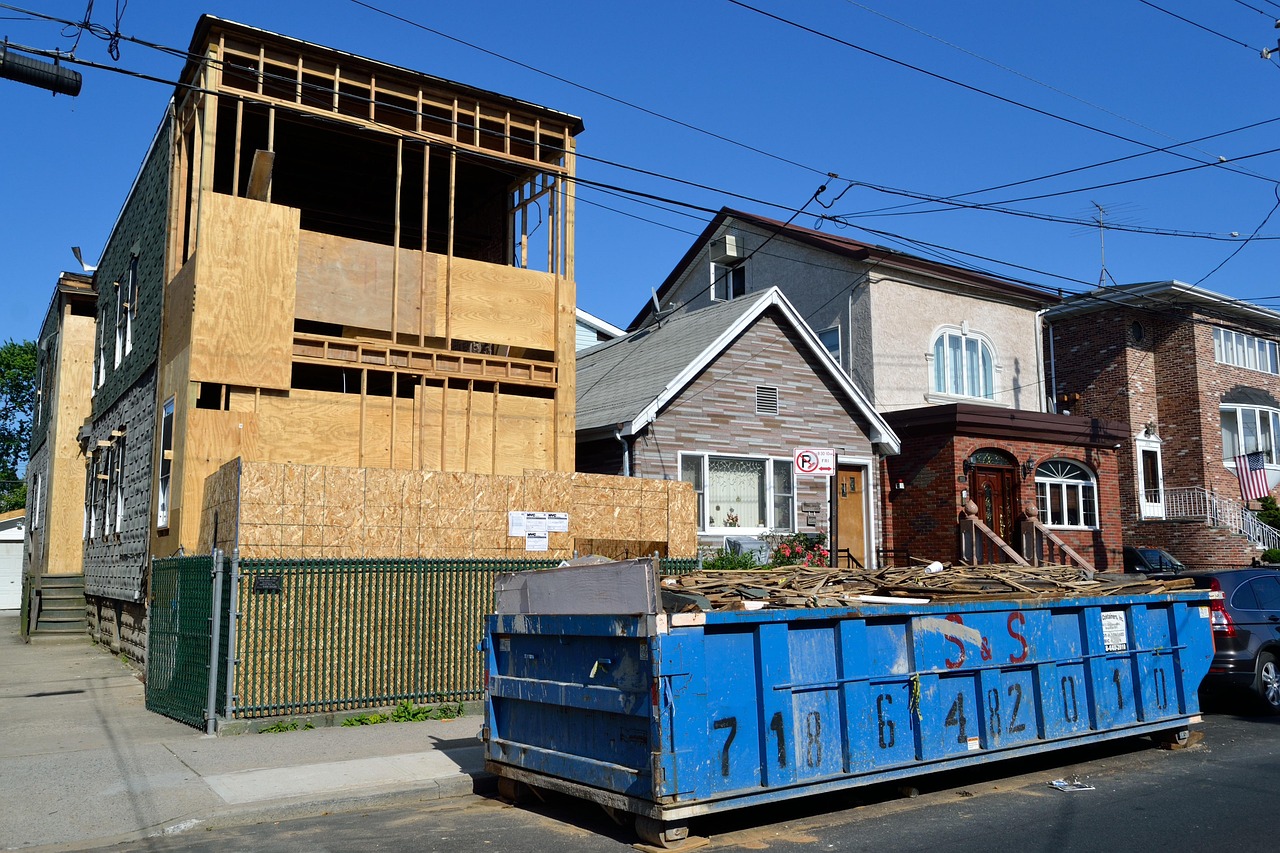
Malik knew the calculus of time and weight. His crew had learned the hard way that ordering a 40-yard dumpster for a small demo was like taking a sledgehammer to a thumb. ‘Too big’ was wasted money, ‘too small’ was wasted time and late fees. He taught me to visualize the job: a full bathroom demo equals roughly a 10-yard; a kitchen or small addition runs closer to 20-30 yards; and whole-house gut jobs often necessitate 30-40 yards. The difference between a job that finishes on schedule and one that lingers is often the dumpster size on the curb.
Rosa, who had lived in Santa Monica for forty years, worried about rules. The city has strict streetscape guidelines, and she had heard stories of neighbors getting fines for blocking a narrow lane during beach season. She reminded me of a conversation she had with the hauler: ‘They came and said, bring the truck at 7 a.m. and we will place it in the alley so it won’t block the parking. Oh, and we’ll separate the recyclables; they actually took the metal to a local recycler.’ Her face lit up when she described the small victory of handing over her husband’s old toolbox, watching a worker nod and take it away with an appreciative clank.
Then the rain came. A sudden summer cloudburst turned the construction site into a field of reflective puddles, each holding a miniature skyline. Malik’s crew waited beneath a tarp. Materials got heavier; debris slumped together. The weight mattered now more than ever. Dumpster companies weigh loads at transfer stations, and charges can change if the load crosses a threshold. That evening, over tacos in Silver Lake, Malik acted out a scale tipping, voice low: ‘A wet load is costly. Water is heavy. So you cover and you stack.’
Key Insights Woven Into the Story
Working across neighborhoods teaches practical rules that often sound like old proverbs. From those three lives I learned a handful of truths about dumpster removal in Greater Los Angeles, disguised as small scenes and conversations.
First, pick the right size. The 10-yard fits a garage cleanout; the 20-yard is the steady workhorse for remodels; the 30-40 yard is for big demolition. I saw the consequence in Maria’s yard when a 20-yard was ordered and filled in two days — the hauler made a second trip midweek and the crew finished painting the fence by Friday.
Second, permits and placement matter. Many neighborhoods — from Los Feliz to Torrance — require a permit to leave a dumpster on the street. The alternative is alley placement or placement on private property. Malik had a rhythm for this: call the hauler, check the city’s rules, and, if necessary, call the local DOT for a temporary permit. He also reminded me of the human element: ‘Neighbors complain if it blocks a view or if pickups are early. Treat the street like a shared porch.’
Third, keep hazardous materials out. Old paints, solvents, asbestos insulation, fluorescent tubes, batteries, and certain appliances need special handling. In Pasadena, where older homes still have vintage wiring, Malik called an abatement contractor before ripping out insulation. Rosa donated usable items — the vintage lamp, the record collection — and the hauler arranged for a separate pickup for electronic waste, which goes to certified facilities rather than the landfill.
Fourth, think about salvage and recycling. Metal, wood that is clean and reusable, and certain fixtures can find new life. I watched a teen in Long Beach pry a pane of old glass from a dresser and imagine a new art piece. In Santa Monica and Venice, coastal cities with active green programs, crews sorted salvageable wood and metal to be recycled or upcycled. The sound of a crowbar peeling a board sounded merrier than the dull thud of a compactor.
Finally, timing and communication keep projects sane. In Culver City, a dumpster left a week longer than planned blocked a delivery and cost a small business a day of sales. In West Hollywood, the hauler arrived at 6:30 a.m. as promised, and by 8 a.m. the street had been freed and the crew could continue framing the wall. Respect, it seemed, was a currency everywhere.
Resolution: Things Move, People Breathe
There is a moment in every cleanout when the volume of things collapses into a different kind of silence. In Maria’s yard, the kiln dust settled into the corners like a faint snowfall and the dumpster hummed gently as the driver closed the lid. She stood, palms smudged with clay, and said softly, ‘It feels like the house can breathe again.’ Malik watched a dumpster get lifted and balanced into a truck bed, its hydraulic throat closing with a satisfying finality. Rosa poured tea for the workers who had helped her stack boxes by the doorway and told them stories about the neighborhood that made them laugh.
I rode with a driver named Manny from Echo Park to Long Beach, through the gridlock of downtown, the palm-lined arteries of Beverly Hills, and the industrial facades by the port. He navigated like someone who had memorized the city’s arteries: a left here to avoid Mornington, a detour through Glendale to skip a tired stretch of the freeway. He told me, ‘People think we just haul. But we see a city. We see its stuff, its history. We know which house has a story inside every box.’ Manny’s hands smelled faintly of diesel and eucalyptus from a car air freshener. He hummed along to an old song on the radio when the truck rolled past Griffith Park and the skyline shone like chiseled glass.
When the last dumpster left Maria’s block, it was nearly midnight and the streetlamps hummed. The space they had occupied felt larger, as though the curb had exhaled. Children who had been playing tag earlier slowed and watched the truck disappear. Rosa taped the last label on a donation box and felt a little lighter. Malik double-checked the permit receipts and called the inspector the next morning. The city moved forward in small, practical increments: a permit granted, a sidewalk cleared, a house made ready for the next life it would host.
Takeaway: What to Remember and Do
What remains, after all the noise and the heavy lifting, is not the hustle of trucks but the small rules that keep it working. If you are planning a cleanout, renovation, or move in Greater Los Angeles, remember these simple steps learned from watching neighbors, haulers, and contractors work together: pick the right dumpster size for your project, check local permit requirements for curb placement, separate hazardous materials and arrange for proper disposal, consider salvage and recycling options, and schedule pickups with clear communication so neighbors are informed and your timeline stays intact.
Call the hauler, ask the questions, and, when the truck arrives, take a moment to stand on the sidewalk and listen. There is a rhythm to it — the clank, the hydraulic sigh, the driver’s short joke to the crew — and if you’re paying attention, you can read a city’s small stories in those sounds. The dumpster is not an ending so much as a hinge: it helps move things from old to new. It clears space not just in alleys and garages, but in the life behind the door.
When the last truck went down my street that night, the sky had cleared. A few stars pricked through above Griffith Park, and the skyline lights in Downtown LA blinked like a promise. The alley smelled faintly of rain and wood smoke. A neighbor opened her front door and called out, ‘Thanks,’ and the driver tipped his cap. For a moment everything settled into a clear, useful quiet — the kind that happens when work is finished well and people can finally, simply, begin again.