It started with a smell—rich coffee, damp cardboard and the metallic tang of old paint—wafting through the open windows of Maria’s bungalow in Silver Lake. She blinked against the late afternoon sun spilling across the hills and thought, not for the first time, that the chaos in her garage had to go. Two rooms upstairs promised renovation. Her sister’s wedding shower in Echo Park was in six weeks. The pile in the driveway, a collage of battered chairs, broken tiles and tangled fairy lights, seemed to laugh at her calendar.
She called Carlos
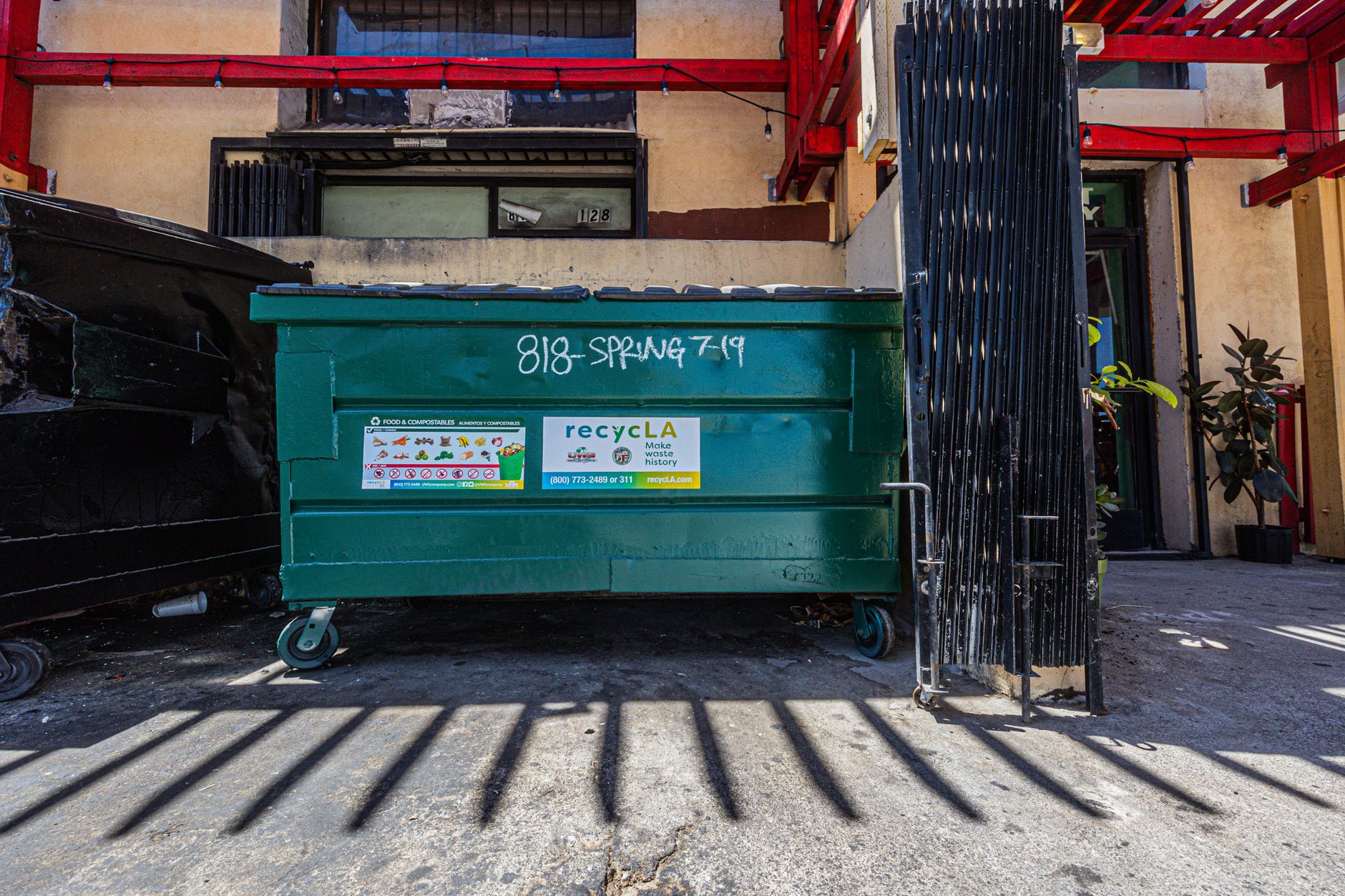
Carlos answered on the first ring. His voice was calm and practical, a South Bay lilt behind his careful words. “Tell me the street name and what you want gone,” he said. He runs a small dumpster removal company—friendly, weathered pickup trucks, a neat logo on the door—and knows Greater Los Angeles like a map tattooed on his hands. “We can have a 20-yard out in the morning,” he promised. “But Maria—if you need it on the street in Silver Lake, you’ll need a permit. Some streets are narrow. We’ll help walk you through it.”
That single line transformed a simple hauling job into a plan that would thread through Los Angeles’ neighborhoods: navigating permits in Downtown, squeezing a truck into a Venice alley, and negotiating with a stubborn HOA in Pasadena. For Maria, this was not just about trash; it became a city-sized choreographed move, with the dumpster as the centerpiece.
Deep into the City
There’s an art to placing a dumpster in Los Angeles. The city is a mosaic of block-long bungalows, palm-lined boulevards, tight hillside streets and wide, breakneck arterials. “We’ve dropped boxes in Malibu with the ocean breeze, and we’ve squeezed them beneath the sycamores in Echo Park at midnight,” Carlos told her as he navigated the truck through Sunset Boulevard traffic. “Every neighborhood has its rules and its rhythm.”
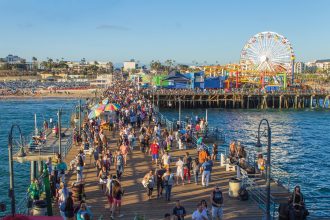
On their way, they passed Long Beach’s waterfront cranes, a cameo of Santa Monica’s ferris wheel against an ocean glow, and a flash of the glass towers of Downtown LA. The truck rumbled past a cluster of teenagers skateboarding under the Venice sign; the smell of salt flew across the cab. Each city block demanded a decision: place the dumpster in the driveway, on private property, or apply for a street permit that would reserve a parking space and, depending on the neighborhood, warrant the attention of the Department of Transportation.
Rising Tension: The Block Party and the Permit
Maria’s neighbor, Mrs. Alvarez, peered over the fence when the 20-yard arrived and asked, “Are you having a sale?” Maria laughed. The truth felt more complicated. The shower meant folding chairs and borrowed vases; the renovation meant that, by the time the cakes were iced, the living room would be a skeleton. But there was a problem: the block party scheduled for the weekend would be using the street, and LADOT required permits for any container occupying public parking for more than a day.
“We forgot about the permit,” Maria admitted as she stood in her driveway, the dumpster like a second moon. The block’s chatter rose in peals and frowns. A neighbor from Burbank who was in town for the party warned, “On Ocean Park Avenue in Santa Monica they’ll tow it overnight if you don’t have the paperwork.”
“I can get it done,” Carlos said, but his jaw tightened. “It’s the timing. Some permits are quick; others take a few business days. And if you’re on a narrow street—say, parts of Highland Park or Silver Lake—parking restrictions are stricter. We’ll file it and put up cones. We’ll also call the HOA in Pasadena if they decide to be on a power trip.”
What Maria Learned on the Front Steps
Over the next two days, as workers in bright vests covered the driveway with plywood and carted out decades of hobbies, Maria discovered a web of useful facts about dumpster removal in Los Angeles that would have saved her a lot of late-night emails if she’d known earlier.
- Dumpster sizes matter: For a home remodel she needed a 20-yard container—roomy enough for drywall, old cabinets and a mattress. Carlos explained the typical sizing: 10- and 15-yard boxes for small renovations or yard waste; 20- and 30-yard for whole-room or garage cleanouts; 40-yard boxes for major demolitions. “Don’t guess—measure the space and the volume,” he advised.
- Permitting and placement: If you place a dumpster on public property, in most parts of the City of Los Angeles you need an encroachment permit or temporary street vacancy permit from LADOT. Fees vary, and sometimes a traffic control plan is required for busy streets. “When in doubt, ask us to handle the paperwork,” Carlos said. “It’s our job to talk to the city so you don’t have to.”
- What can’t go in: Paint thinner, tires, fluorescent bulbs, batteries, certain chemicals and electronic waste often can’t go into a standard dumpster. They’re hazardous and require special disposal—think a trip to a hazardous waste facility or an E-waste recycling center. “We sort it on site because once it’s in the box and the truck leaves, you’re on the hook,” Carlos warned.
- Cost structure: Most companies charge a rental fee plus disposal by weight or volume. Location matters—deep delivery into narrow streets or long carries from the curb to the box can add to the price. Weekends and short-notice jobs often have premiums.
- Recycling and disposal transparency: Carlos handed Maria a printout with transfer stations and landfills—Sunshine Canyon for some city waste, regional transfer stations for contractor loads—and explained that good companies should recycle when possible, supply manifests and offer receipts showing where the waste ended up.
Conversations on the Curb
Neighbors popped by. Inglewood’s Theo, watching the crew load battered textbooks, called out, “You sure you can’t donate those?” Maria felt a pang of guilt at the hum of useful things going into the dumpster. Carlos offered a pragmatic compromise: “If something’s intact, we’ll set it aside. I take usable furniture to a partner charity in Torrance and some pieces to a reuse center in Glendale. Salvage is good for the planet, and it keeps costs down when we separate materials—wood, metal, gypsum—from general waste.”
Under the late sun, a worker wrenched a door free; the smell of old varnish rolled up like a memory. A child from down the block stuck his head in the driveway and asked, “Is this a spaceship?” Maria laughed. “It’s a clean slate,” she told him.
Key Insights Along the Way
The narrative of this single removal spun into a guide of practical, neighborhood-born wisdom:
- Plan ahead: Booking a dumpster rental a week or two in advance lowers costs and gives time for permits. For busy neighborhoods like West Hollywood or Hollywood, lead times can be longer.
- Protect private property: Use wooden boards under the dumpster to prevent driveway damage. In hilly parts of Los Angeles—like parts of Silver Lake and Echo Park—teams might use wheel chocks and extra bracing to stabilize the container.
- Ask for a disposal manifest: Legitimate haulers will provide a receipt that specifies the transfer station or landfill destination. This is useful for your records and for accountability.
- Separate materials when possible: Recycling and salvage reduce landfill fees and help local reuse charities. Metals, mattresses and electronics often have separate streams.
- Know the local rules: Each city within the Greater LA area—Burbank, Pasadena, Long Beach, Torrance, Santa Monica—can have different rules for street placement, noise ordinances, and working hours. Always check before scheduling work.
Climax: The Wedding Shower, the Crews, and a Last-Minute Twist
On the morning of the shower in Echo Park, a neighbor texted: “Someone left a full appliance at the alley. It’s a mess. Can you take it?” The dumpster looked almost full, and yet beneath the layers there was still room if they managed the loads cleverly. Carlos and his team performed an organic choreography—compressing one pile, salvaging a loveseat for donation, shifting heavier material to the back. The engine purred as the truck made one last lift and hauled the load toward a transfer station near downtown.
There was nail-biting tension when a city inspector pulled into the street. He walked the perimeter, clipboard in hand. “You have the permit,” he said, scanning the posted notice. “Clear until Friday. Keep it tidy.” Maria exhaled, feeling the world return to a gentler rhythm.
Resolution: A Neighborhood Reborn
The dumpster left at dusk, and the driveway looked different—spacious, breathable. Maria stood on her porch while cicadas buzzed and distant traffic hummed through the canyons. The house smelled faintly of sawdust and lemon cleaner. The shower was a soft success; guests lingered on the front lawn, sipping iced tea beneath string lights. Mrs. Alvarez brought empanadas. Theo from Inglewood posed in front of the newly opened garage for a photo. Somewhere in the city, a pile of gently used furniture was making its way to a thrift shop in Glendale; another portion of metal was headed for recycling.
Carlos waved from the truck as he made one last sweep of receipts and manifests—proof of a job done cleanly and conscientiously. “Always ask where it goes,” he told Maria as the sun sank. “That’s how your story closes without leaving a mess for someone else.”
Takeaway
When you think of dumpster removal in the Greater Los Angeles Area, picture more than a box on wheels. Picture an elbow-to-elbow dance with neighbors, municipal permits, the rhythm of different city neighborhoods, and choices about reuse and recycling that shape the fate of your waste. Whether you’re clearing out a garage in Burbank, renovating a Victorian in Pasadena, or staging a beachside clean in Santa Monica, the steps are familiar: measure, plan, protect, permit, and choose a licensed hauler who provides transparent disposal records.
Maria’s final image of the evening stayed with her for weeks: the driveway a blank canvas under pale streetlights, palm fronds murmuring overhead, the distant silhouette of the LA skyline. It looked like a city ready for another story. She held the disposal manifest in her hand like a small victory—proof that even in a sprawling metropolis, deliberate choices make a cleaner, kinder city. The dumpster had been more than a container; it was a hinge that swung her home from clutter to readiness, from worry to celebration.
When you schedule your next cleanout in Los Angeles—be it in Torrance or Hollywood—remember that a thoughtful hauler and a little paperwork can turn a messy morning into a neighborhood scene that smells like coffee, polished wood, and possibility.