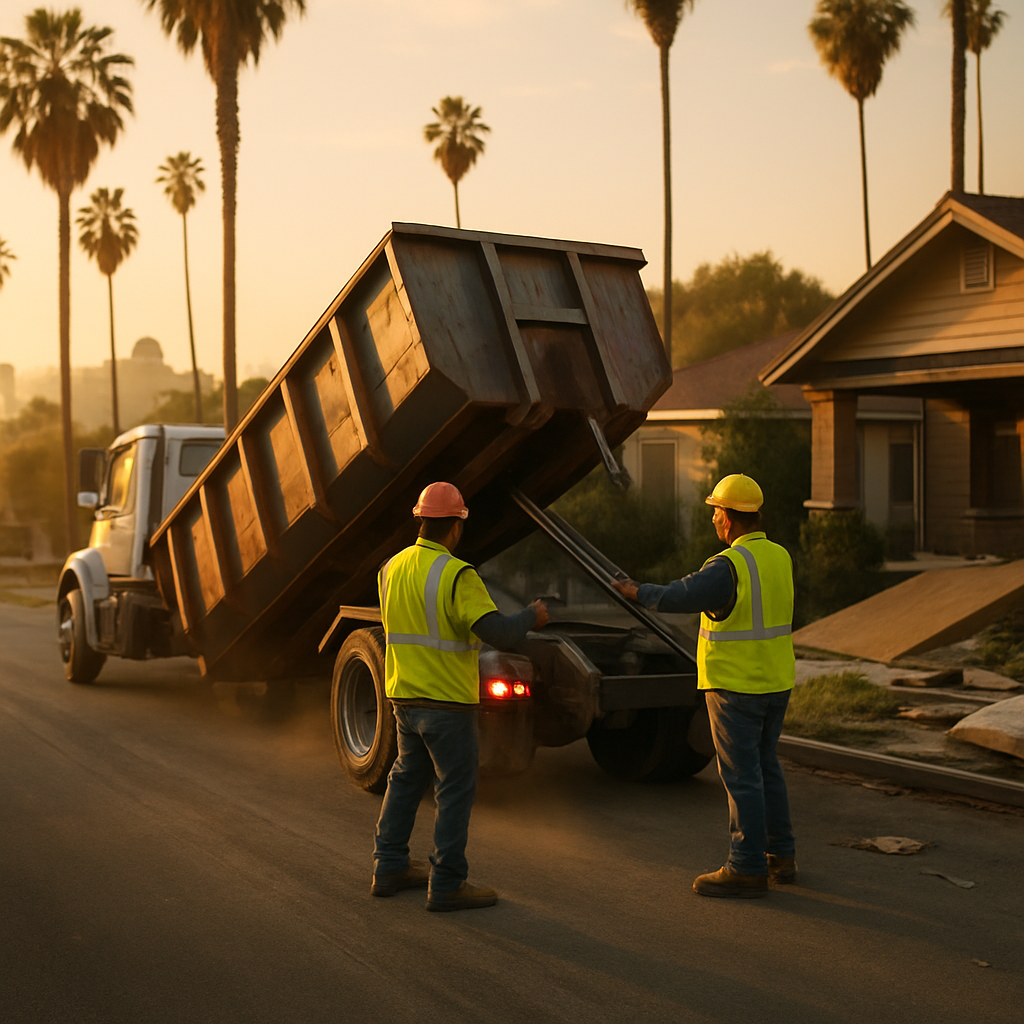
The first time I watched a dumpster arrive at my neighbor’s house in Echo Park, it felt like a stage prop rolling into a city play. The truck rumbled up the hill, a metallic mouth yawning open, and two workers in neon vests coaxed a steel box onto the curb with the ease of seasoned choreographers. The smell of sawdust and hot asphalt mixed with the jasmine from a nearby garden, and for a moment the street felt like an open-air workshop. ‘We’ll be out by sunset,’ one of them said, wiping his brow. That sentence carried more relief than I expected.
Setting the Scene: A Neighborhood in Motion
Across Greater Los Angeles—from the art-lined alleys of Downtown LA to the ocean breeze in Santa Monica, the maritime hum of Long Beach to the tidy bungalows of Pasadena—dumpsters are the quiet signposts of change. People in Burbank move sets, homeowners in Culver City gut kitchens, and contractors in Torrance overhaul storefronts. Each dumpster arrival is a small story: a remodel, a cleanout, a community event clearing decades of accumulated stuff.
Rising Action: When Plans Meet Los Angeles Realities
One summer, I followed Maria, a homeowner in Inglewood, as she wrestled with a renovation that seemed simple on paper. ‘We just need to clear the garage,’ she told me, but the list grew fast—broken tiles, an old mattress, a stack of paint cans. She booked a 20-yard roll-off and planned for a Wednesday drop-off. When the truck arrived, the driver paused. ‘You got a permit for the curb?’ he asked. Maria had not.
The city has its own choreography: parking rules, permit requirements, and narrow driveways that turn a routine delivery into a puzzle. In places like Glendale and Malibu, a driveway drop is preferred; on busy streets in West Adams or Koreatown, parking permits and temporary no-parking signs are often required. There are also sensory realities: the thud of wood striking steel, clouds of fine dust, and the metallic tang of old nails. Those details matter when you’re trying to preserve a polished driveway or keep neighbors happy.
Key Insights Mixed into the Story
As Maria navigated phone calls and city websites, a few practical truths emerged. First, size matters: dumpsters range from compact 10-yard boxes for household cleanouts to 40-yard behemoths for major construction. Estimating volume by the number of truckloads or the amount of debris helps avoid an extra week on the street and surprise fees. Second, what you throw matters: hazardous materials like paint, batteries, tires, and certain appliances often need special handling; recyclables and metals can sometimes be separated for lower disposal costs.
‘Ask about permits and driveway protection,’ advised Luis, a contractor from Santa Monica, as he laid down plywood to shield a homeowner’s concrete. ‘And always check weight limits. A dumpster can be full but overweight.’ Costs in Greater Los Angeles are shaped by rental duration, debris type, disposal fees at transfer stations, and city permit costs. Traffic and narrow alleys can add to delivery complexity, making local experience invaluable.
Turning Point: Unexpected Community Ripples
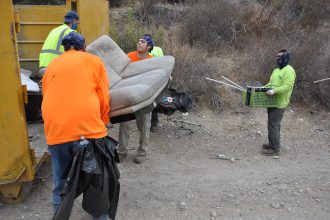
Maria’s project turned into a neighborhood event. Neighbors stopped by, asking about donation items and offering help carrying pieces to sorted piles. An elderly resident in the next house recognized a stack of usable planks and asked if he could take them. ‘You’d be doing me a favor,’ he said, eyes bright with the memory of his former workshop. That moment transformed the dumpster from a receptacle into a resource.
Local options—Habitat for Humanity ReStores, metal recyclers in Long Beach, and hazardous waste drop-off days run by county agencies—became part of the plan. These choices not only reduce landfill weight but also make permits and fees more predictable.
Resolution: A Street Returned to Calm
When the final truck pulled away, the curb looked almost theatrical in its cleanliness, as if the scene had been edited. Maria stood barefoot on her front step, feeling the sun and the sudden expanse of space where old clutter had been. ‘I didn’t realize how much lighter we’d feel,’ she said, tracing the edge of the driveway with her foot. The workers waved, their silhouettes framed by palm trees swaying against a late-afternoon sky.
Takeaway: What to Remember and Do
If you find yourself staging a similar moment anywhere from Pasadena to Torrance, plan: choose the right dumpster size, ask about permits, protect surfaces, separate recyclables and hazardous items, and book early—especially before weekends and city holidays. Talk to local providers who know neighborhood restrictions and can advise on drop-off logistics. And consider how a simple curbside container can become a community exchange point rather than just a pile of trash.
As dusk settled over the city, the street seemed to hold its breath. The project was done, but the real image that stayed with me was the empty curb and a neighbor carrying a reclaimed plank toward a new life—a small, human moment framed against the vast, restless sprawl of Los Angeles.