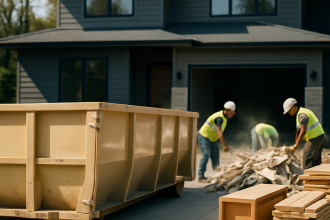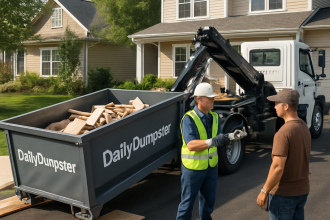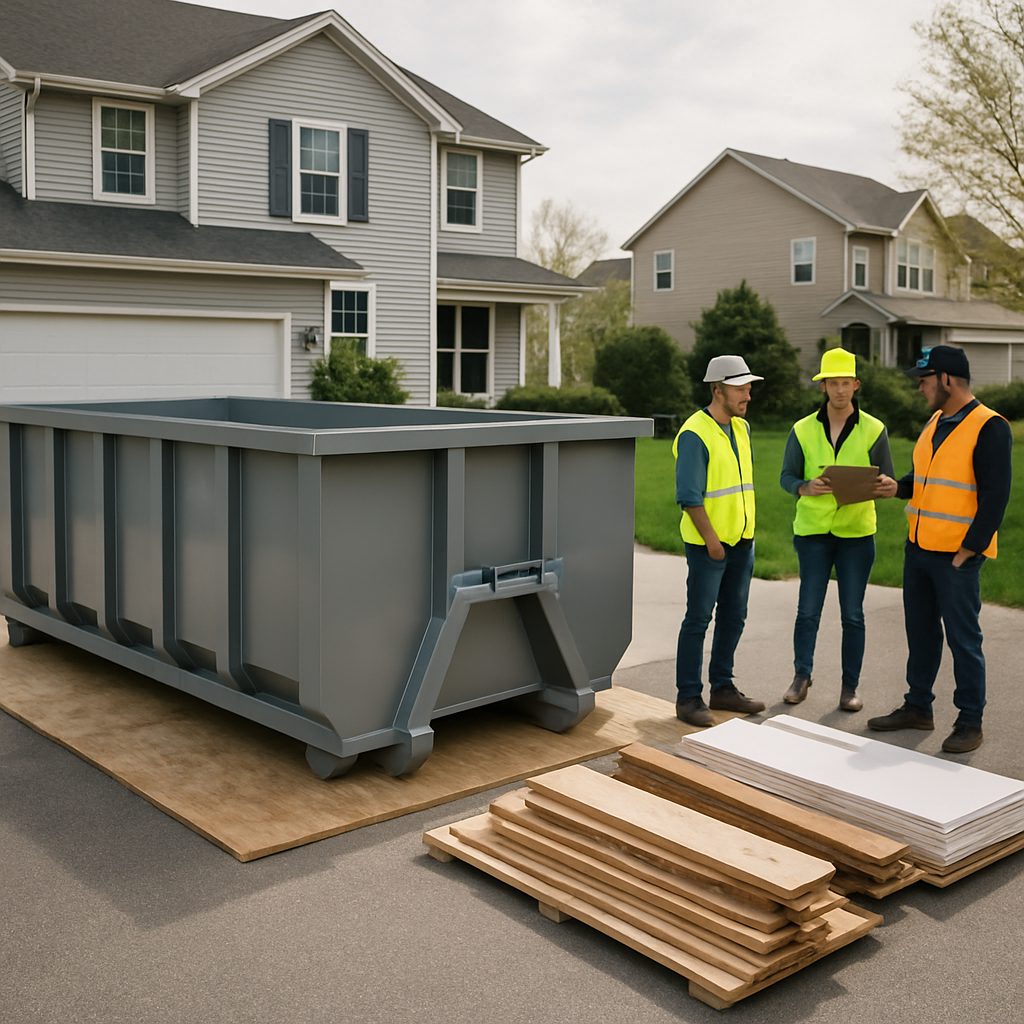
When a project gets messy, the right dumpster plan separates chaos from control. Whether you’re a homeowner attacking a major cleanout, a contractor coordinating a multi-phase build, or a property manager juggling turnover and deferred maintenance, understanding dumpster rental strategy is the single most effective way to reduce downtime, avoid fines, and keep costs predictable. This guide gives you an expert playbook—step-by-step planning, real-life scenarios, dumpster sizes, hidden fee warnings, and tactical tips for hiring the best roll off dumpster rental or residential dumpster rental for your needs. Expect practical checklists, contractor vs homeowner advice, and simple rules you can apply on day one.
Why a Dumpster Rental Strategy Matters
At first glance, renting a dumpster seems straightforward: choose a container, schedule delivery, fill it, and send it away. But overlooked details—permit requirements, weight limits, prohibited items, placement, swap-outs, and hidden surcharges—turn a cheap dumpster rental into a costly headache. A deliberate strategy reduces labor, accelerates cleanup, and minimizes rework. It also protects you from surprise fees from waste removal services or extra transport charges from roll off rentals.
Start with Goals: What Are You Trying to Accomplish?
Define success before ordering. Ask: Finish a weekend remodel? Clear a foreclosure? Stage a property for sale? Complete a commercial demo on schedule? Each goal changes what dumpster sizes, delivery timing, and waste sorting you’ll need. Clear goals help you choose between construction dumpster rental and residential dumpster rental, decide whether same day dumpster rental is necessary, and determine whether to call local junk removal solutions for specialty waste.
Common project types and their priorities
– Home renovation: speed and limited street impact are crucial; prioritize driveway placement and smaller frequent swaps if space is tight.
– Roofing: high-volume brittle materials; choose a roll off dumpster rental with durable walls and confirm weight allowances.
– Demolition (interior or garage): expect mixed heavy loads—concrete, wood, metals—require a construction dumpster rental and careful weight tracking.
– Property management turnarounds: schedule with a consistent vendor for predictable pickup windows and volume discounts.
– Landscaping and debris cleanups: lower weight but bulky volumes; focus on dumpster sizes that handle bulky items without excessive weight penalties.
Permits, Placement, and Public Right of Way
Before ordering, check local regulations and homeowner rules. Many cities require permits when a dumpster will sit on public property, sidewalk, or street. Property managers should add permit lead time to their calendars; contractors must include it in bids. Permit timelines vary: some cities approve the same day, others take weeks.
Placement best practices
– Driveway placement is usually simplest—avoid blocking hydrants or sidewalks.
– If placed on street, get a permit and request clear markings like cones and reflective signage from your vendor.
– Verify clearance for lift trucks and delivery vehicles; overhead wires and tree limbs matter.
– Protect finished surfaces: use plywood or mats under the dumpster to avoid gouges from steel skids or jacks.
Dumpster Sizes: Choosing the Right Container
Knowing dumpster sizes prevents paying for unused capacity or swapping mid-project. Container sizes are typically described in cubic yards. Here’s a practical breakdown for commonly used sizes in residential and construction projects.
Common dumpster sizes and real-use guidance
– 10-yard dumpster: Good for small cleanouts, kitchen or bathroom remodels, and garage cleanups. Fits on most driveways. Often chosen for residential dumpster rental when space is limited.
– 15-yard dumpster: A flexible middle ground—works well for medium remodels and small demo jobs. Ideal when you want more capacity without the footprint of larger containers.
– 20-yard dumpster: Popular for larger home renovations and roof tear-offs. Provides room for bulky materials while staying manageable in many residential settings.
– 30-yard dumpster: Suited for major renovations, small new constructions, and significant cleanouts. Requires more driveway or street space.
– 40-yard dumpster: The choice for large construction sites and commercial projects—heavy volumes across multiple trade disciplines. Often used as a construction dumpster rental for demo and new build projects.
How to estimate volume
Visualize classic items: a couch = roughly 3–4 cubic yards, a ton of shingles in a pile = 2–3 cubic yards, a full bathroom demo = 6–8 cubic yards. When in doubt, overestimate by 10–20% to avoid swap fees. If you regularly need more capacity, rolling to the next size is usually cheaper than paying for multiple smaller swaps.
Weight Limits and Load Distribution
Most dumpster rentals include a weight allowance—exceeding it triggers per-ton fees. Common limits range from 1 to 2 tons for smaller dumpsters and higher for larger ones, but rules vary by vendor.
Strategies to manage weight
– Separate heavy materials: concrete, bricks, and dirt are heavy. If possible, rent a dedicated dumpster for these to avoid weight penalties.
– Break down bulky items to reduce air space and distribute weight evenly.
– Keep an eye on dense items: removed cabinetry and countertops can add unexpected weight.
– Ask vendors for weight examples for each dumpster size and pricing tiers for overweight loads.
What You Can and Cannot Throw Away
Understanding prohibited items is essential to avoid fines and contamination fees. Most vendors and municipal waste removal services have strict rules. Tossing banned items into a dumpster can result in costly penalties and delayed pickups.
Generally acceptable
– Wood, drywall, metal, roofing shingles (unless otherwise specified), concrete (often with extra charge), household furniture (non-hazardous), carpet and padding, cardboard, general trash.
Commonly prohibited or restricted
– Hazardous materials: paint cans with liquid paint, solvents, pesticides, pool chemicals, asbestos, and medical waste.
– Hazardous household items may be accepted at special collection events—contact local waste removal services for safe disposal.
– Electronics and batteries: many areas require e-waste recycling or special drop-off.
– Tires and automotive fluids: frequently excluded or require separate handling fees.
– Refrigerators and appliances with refrigerants: require certified technicians to remove coolant before disposal; this adds cost.
How to handle hazardous items
List hazardous materials during your initial call to the vendor. Many dumpster rental companies offer guidance or partner with specialty junk removal solutions to handle these items legally. For contractors, building these costs into bids prevents surprises for property managers or homeowners.
Hidden Fees to Watch For
Hidden fees are the most frequent source of frustration. Ask vendors upfront about these charges so you can compare true cost, not just the low headline rate you see in search results for “cheap dumpster rental” or “dumpster rental near me.”
Common hidden fees
– Overweight charges: per-ton fees can double or triple your invoice if ignored.
– Extra rental days: vendors often include a base rental period (e.g., 7 days); extended use can cost extra daily or per-week.
– Permit handling fees: some companies charge a facilitation fee even if the permit is inexpensive.
– Long-run distance fees: if your site is outside standard service zones, expect travel or delivery surcharges.
– Contamination charges: prohibited items found in the dumpster may trigger inspection and sorting fees.
– Delivery and pickup rescheduling: last-minute changes can cost a stand-by or re-dispatch fee.
– Tarping or securing fees: some companies add fees for mandatory tarps on highway hauls.
How to avoid hidden fees
– Ask for a fully itemized quote including weight allowances, rental period, and probable ancillary fees.
– Get estimated weights for common loads from the vendor or use an online calculator.
– Confirm whether the quote includes permit handling and whether you are responsible for obtaining permits.
– Ask about fuel surcharges and remote area fees up front when searching for “dumpster rental near me”.
Booking & Scheduling: Timing Is a Tactic
For contractors and property managers, dumpster scheduling can make a project run like clockwork or fall behind by days. Plan dumpster delivery to align with trade schedules—e.g., drop a container the afternoon before demolition begins so crews start clean. Consider same day dumpster rental options for emergency clearouts, but be aware same-day availability often costs more.
Tips for efficient scheduling
– Block out the full rental window in your project plan (delivery, fill period, pickup).
– Coordinate pickups for late afternoons to ensure haulers avoid peak traffic and complete jobs same day.
– Use the vendor’s app or customer portal, if available, for real-time updates and digital confirmations.
– For multi-phase projects, negotiate a block rate or planned swap schedule to avoid repeated delivery charges.
Cost-Saving Advice: How to Keep Cleanup Affordable
Budget-conscious homeowners, contractors, and property managers can take simple steps to save hundreds or even thousands on waste removal.
Practical cost-savers
– Consolidate loads: avoid paying for half-empty dumpsters by batching projects when possible. A consolidated delivery is cheaper than multiple runs.
– Sort at the source: separate recyclables and metals—many vendors offer credits for recyclables or separate containers for recycling.
– Rent the right size: don’t overpay for a 40-yard dumpster for a project that fits comfortably in a 20-yard.
– Time your rental: schedule dumpster swaps or final pickups to coincide with other deliveries to avoid additional travel fees.
– Negotiate volume discounts: contractors and property managers who schedule recurring dumpsters can request fixed pricing or reduced fees for repeat business.
– Avoid overtime and rush fees: plan around hauler operating hours to prevent after-hour charges.
– Use local vendors: searching “dumpster rental near me” often reveals operators who offer lower travel fees than national chains.
When “cheap” isn’t cheap
Low upfront pricing can hide high extras. A cheap dumpster rental quote may not include weight allowances or permit handling. Always get a written contract with an itemized estimate. Look for transparent vendors who explain how charges accrue rather than those pushing the lowest sticker price.
Contractor vs Homeowner: Tailored Advice
The same dumpster strategy doesn’t work for both groups. Here’s how each should approach rentals differently.
For contractors
– Build dumpster costs into bids by project phase, not as a lump line item. This ensures accurate margins when a job requires extra swaps.
– Standardize with a trusted vendor. Consistency reduces administrative burden and usually unlocks discounted rates and priority scheduling for same day or emergency pickups.
– Track weights and materials by trade. Roofing, framing, and demo loads have different cost profiles—separate containers when it saves money.
– Require subcontractors to follow site-loading protocols to avoid contamination and overweight charges.
For homeowners
– Be conservative with size estimates if you’re unfamiliar with demolition volumes—ask your vendor for real examples for specific projects like kitchen demo or shed removal.
– Prepare the site: clear a path for delivery and protect the driveway surface with plywood.
– Ask about residential dumpster rental restrictions—some vendors have different rules and pricing for residential vs. commercial sites.
– If you need a fast turnaround, shop for same day dumpster rental availability but confirm additional rush fees.
Real-Life Scenarios: Applied Strategies
Learning from real projects makes these strategies concrete. Here are three case studies illustrating practical decisions and outcomes.
Scenario 1: Homeowner kitchen remodel
A homeowner planned a mid-range kitchen gut and wanted a “cheap dumpster rental”. They ordered a 10-yard based on an online article, but demolition produced more cabinetry and countertop waste than expected. The dumpster filled in two days, and the vendor charged an overweight and an expedited swap fee. Lesson: consult with your vendor for item-specific volume estimates and choose a 15-yard if you have built-in cabinetry or bulky countertops. The homeowner saved by asking for a weekend pickup bundled with the contractor’s final haul.
Scenario 2: Contractor demo + rebuild
A contractor secured a construction dumpster rental for a three-week interior demolition. They separated concrete and tile into a separate container, negotiated a swap schedule for each trade, and used the same hauler across projects to receive discounted weekly rates. Cost control came from volume pricing, reduced overweight fees (by segregating heavy materials), and reliability in scheduling—no downtime waiting for pickups.
Scenario 3: Property manager quick turnaround
A property manager needed same day dumpster rental to clear hoarded units before new tenants moved in. They used a local waste removal services provider with multiple yard sizes and a flexible pickup policy. By coordinating two units into a single 20-yard dumpster and paying a small rush fee, they avoided a two-week vacancy and lost rent that would have far exceeded the dumpster cost.
Loading and Site Logistics: Maximize Efficiency
Efficient loading speeds up projects and reduces wear and tear on your team. Follow these rules to fill faster and avoid unnecessary expenses.
Loading best practices
– Load heavy items first to distribute weight across the dumpster base.
– Break down large items to reduce air pockets—disassemble furniture and flatten boxes.
– Keep hazardous items out and bag loose debris to prevent wind-blown litter and contamination fees.
– Avoid overloading above the top rails—vendors may refuse pickup for safety reasons and charge extra for rework.
– Place broken glass and sharp materials in labeled containers or separate them with protective layers to keep workers safe during handling and disposal.
Safety, Compliance, and Environmental Responsibility
Safety and compliance protect your team and your reputation. For contractors, OSHA and local building codes may apply. Property managers must ensure tenant safety and proper disposal according to municipal rules.
Key compliance steps
– Label dumpsters clearly if hazardous or restricted items are present.
– Keep areas around dumpsters clean to prevent tripping hazards.
– Use certified vendors for asbestos, refrigerant-containing appliances, and regulated hazardous wastes.
– Recycle when possible—many haulers offer separation programs for metals, concrete, and wood.
How to Find the Right Vendor: Questions to Ask
Searching “dumpster rental near me” will return many options. Here are the specific questions that reveal trustworthy vendors from poor matches.
Vendor vetting checklist
– Are rates itemized (delivery, pickup, weight allowance, permit assistance)?
– What’s included in the base rental period and what’s the overage rate?
– What can’t be disposed in the dumpster and what are the contamination penalties?
– Do you offer same day dumpster rental or emergency services, and what are the fees?
– Are there travel fees for my location and how do you define your service area?
– Do you accept credit cards online, and is there a digital portal for scheduling?
– Can you provide references from contractors and property managers in my area?
FAQ: Seven Essential Questions Answered
1. How do I know which dumpster size I need?
Start with a project inventory: number of rooms, key bulky items (bathtub, cabinets, roofing), and estimated demolition scope. Use vendor examples: small cleanouts often fit in 10–15 yards, medium renovations in 15–20 yards, and major demo or construction in 30–40 yards. When uncertain, choose the next size up to avoid swap fees.
2. What is the difference between roll off dumpster rental and other types?
Roll off dumpsters are delivered and rolled off the truck onto your site—common on construction sites and for large cleanouts. Other options include front-load dumpsters for ongoing commercial waste and compactors for high-volume recycling. Roll offs are the go-to for construction dumpster rental and residential projects requiring bulk removal.
3. Can I get a same day dumpster rental?
Yes—many local vendors offer same day dumpster rental for urgent needs. Expect higher rates and limited size selections. Call early in the day and confirm delivery windows to maximize same-day availability.
4. How do weight limits affect cost?
Dumpster quotes often include a weight allowance. Exceeding it triggers per-ton overage charges. Heavy materials like concrete, dirt, and brick add weight quickly; segregating those materials or using a specialized dumpster can be more cost-effective.
5. Can contractors and homeowners share the same rental terms?
Not usually—contractual terms, permitted materials, and pricing can differ. Contractors often get commercial terms and volume pricing, while residential dumpster rental may have smaller size options and different pickup rules. Always clarify terms based on site type.
6. What items absolutely cannot go into a dumpster?
Hazardous materials such as asbestos, solvents, pressurized tanks, certain chemicals, and refrigerant-containing appliances without proper servicing are commonly banned. E-waste and tires are often regulated separately. Ask your vendor if you’re unsure.
7. How can I reduce the environmental impact of my dumpster rental?
Sort recyclables and organics where possible, work with vendors offering recycling programs, and use local transfer stations to reduce haul distances. Many waste removal services provide diversion reports that show how much material avoided the landfill.
Closing the Deal: Negotiation and Contracts
Negotiate beyond the headline price. For recurring clients, ask for guaranteed pricing windows, quicker response times, and flexible swap options. Contractors should require written service-level expectations in subcontracts for waste handling. Homeowners should get a clear, itemized invoice to avoid the shock of added weight penalties or permit fees.
Choosing a dependable partner is part of the strategy. DailyDumpster.com streamlines quotes from local providers so you can compare true costs, see transparent pricing, and schedule delivery with confidence. Whether you need a quick residential dumpster rental or a multi-container construction dumpster rental, a single vetted platform reduces the legwork and helps prevent the errors that inflate budgets and extend timelines. Visit DailyDumpster.com to compare options for “dumpster rental near me,” find affordable same day dumpster rental when time is critical, and lock in the right dumpster sizes for your next project.
Smart planning turns waste into a predictable line item rather than a surprise expense. With the right strategy—accurate sizing, permit awareness, weight management, clear vendor questions, and proper sorting—you’ll cut costs, protect your schedule, and avoid the common pitfalls that delay projects. Apply these tactics on your next cleanout or construction site and you’ll find cleanup becomes one of the most efficient parts of the project, not the biggest headache.