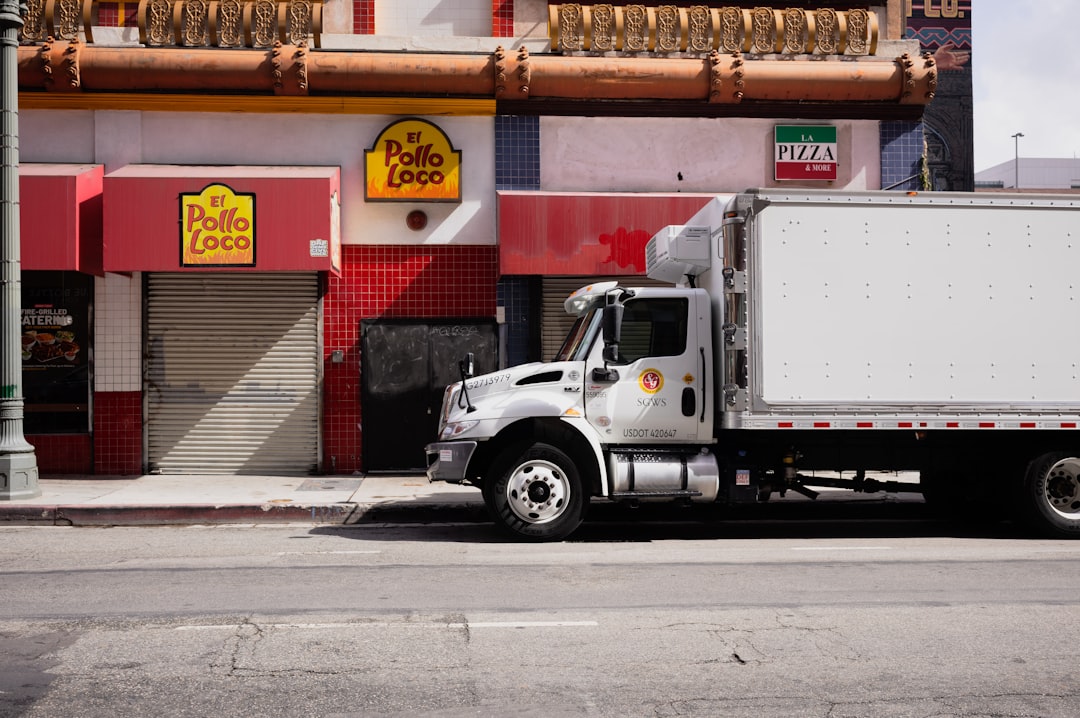
On a sun-baked Tuesday in late spring, the street outside Mira’s Craftsman in Echo Park looked like a small, impatient festival of dust and sound. A rusty roll-off dumpster sat like an elephant on the curb, its metal sides catching the glare at odd angles. Neighbors paused on their walks, dogs tugging at leashes, as the truck idled and a thin film of sawdust drifted through the warm air. Mira shaded her eyes, inhaled the dry scent of cut wood mixed with the faint, sweet tang of citrus from a passing food cart, and felt the odd, thrilling vertigo of things finally beginning to move out.
Setting the Scene
Mira had lived in Echo Park for seven years, through late-night songwriting sessions and a kitchen remodel that took on a personality of its own. Now she was clearing the old studio to create a home office and small gallery. What she hadn’t anticipated was the tidal wave of detritus: stacked pallets, a decades-old sofa, a mountain of busted tile, and boxes of papers dating back to the Clinton administration. The house looked like a museum of abandoned projects.
‘You don’t realize how much history one person accumulates until you try to put it all in the curb,’ her neighbor Luis joked, leaning on his bike. ‘You got a permit for that thing, right? City’ll come knocking if it stretches into the street.’ Mira smiled, but inside, a low hum of anxiety thrummed. Permits, trucks, costs—each was a small riddle she needed to solve.
Picking the Right Container
Choosing a dumpster in Los Angeles is more than picking a color and a number. It’s an exercise in sizing up the job and the city. The rental company she called offered sizes from 10 to 40 cubic yards. Ten-yard boxes are neighborhood-friendly—good for small cleanouts or bathroom remodels—while 20- and 30-yard dumpsters fit medium renovations common in Silver Lake and Culver City. The 40-yard behemoths are better for major demolitions or full-house gut jobs in places like Burbank and Pasadena.
‘Think about cubic yards like a living room,’ said Omar, the dispatcher on the phone from a Long Beach hauler. ‘If you could cram your furniture into three living rooms, go 20. If you’re gutting a kitchen and taking out a few walls, 30 is a safe bet.’ He also mentioned weight—concrete, tile, and dirt add up fast, and many companies charge extra per ton after a weight limit. ‘A 20-yard may look like enough, but two tons of tile will surprise you.’
Tension Builds: Permits, Parking, and Neighborhood Eyes
Two days before delivery, Mira went to the Los Angeles Department of Transportation website and squinted at the permits page. The rules were a patchwork: in the City of Los Angeles, many block-front placements require a temporary no-parking placard; in Santa Monica, downtown restrictions are stricter; in Pasadena, tree-lined streets meant more sensitive placement to avoid roots and mailboxes. The truck company offered to handle permits, but there was a cost and the ticking clock of a scheduled date.
On delivery morning, a neighbor from down the block stepped out and said, ‘Hope it doesn’t stay there all week—my HOA will have my head.’ Mira laughed, though the laugh had an edge. She had a two-day window before the gallery opening. The dumpster had to be dropped, filled, and hauled away, and everything outside the house had to be swept clean.
On the Ground: The Crew Arrives
The crew arrived with the smell of diesel and hot metal. Two men in bright vests moved with practiced choreography. A young woman with a clipboard introduced herself as Jenna and walked Mira through a bite-sized list of do’s and don’ts. ‘No hazardous materials—no paint cans, no solvents, no batteries, and no asbestos-containing materials,’ she said as if reciting a litany of secrets. She tapped the edge of the dumpster. ‘We separate what we can. Wood, metal, and green waste often get recycled. Electronics and chemicals go to designated facilities.’
They placed a sheet of thick plywood under the dumpster to cradle the driveway and avoid paint and oil stains. In Hollywood or West Hollywood, where curb appeal is a religion, that kind of protection is expected. The crew positioned the dumpster carefully, balancing access for the pickup truck and minimizing blockage to the sidewalk. A man across the street, a contractor from Glendale, gave a nod of approval—the silent language of people who live by permits and practicalities.
Filling the Box: Decisions and Discoveries
Filling a dumpster is an intuitive geometry game. Mira learned to stack like a mason: heavy items at the bottom, odd pieces nested into gaps, lighter materials and cardboard on top. She found herself moving through the house as if in a scavenger parade—unwrapping crates, folding curtains, sorting what would be donated to the Goodwill in North Hollywood and what would go into the box.
At one point she unearthed a shoebox of old concert flyers and a beat-up reel-to-reel tape. The reel was a slippery memory; she turned it over in her hands, remembering the warm spatter of applause in venues in Silver Lake and Echo Park. ‘Put those in a donation box,’ Luis advised, ‘or keep the tapes—some people collect that stuff.’ She peeled back a sticker and smiled at the handwriting of her younger self: ‘Do not throw.’ It was a small act of mercy she allowed.
There were tense moments. A neighbor called the city to ask if the dumpster was allowed; a delivery truck blocked a narrow Culver City lane for a few minutes. The crew handled the calls with the easy politeness of people used to Los Angeles delays and complaints. ‘We get this a lot,’ Jenna said, clapping a dusted glove. ‘Just show them the permit or tell them who’s renting. If it’s on private property, there’s less fuss.’
Key Insights: Practical Rules of the Road
Between the hauling and the sorting, Mira gathered rules that every Angeleno should know:
– Permits: Many neighborhoods—especially where the dumpster sits on public right-of-way—require a temporary parking permit or placard. Cities like Los Angeles, Santa Monica, and Burbank have distinct processes and fees. Check local municipal websites or ask your rental company to assist.
– Size and Weight: Choose the dumpster by volume and consider the material’s weight. Heavy debris (concrete, tile, dirt) can trigger overage fees. Ask about tonnage limits before you sign.
– Prohibited Items: Hazardous materials are usually banned from standard dumpsters. This includes paints, solvents, tires, certain electronics, batteries, and asbestos. For those, find specialized disposal facilities—Los Angeles County Public Works has resources and scheduled drop-off events.
– Protection: Use plywood or mats to protect driveways and sidewalks. This is both practical and neighborly; many local ordinances expect you to prevent property damage.
– Recycling and Diversion: Many local haulers partner with recycling centers. Concrete and metal often get recycled, and green waste can be diverted to composting facilities. Ask about the company’s diversion rate if sustainability matters to you.
Rising Action: A Last-Minute Hiccup
Midday, as the dumpster neared capacity, an issue arose. The crew discovered several old fluorescent light tubes slipped into a box that Mira had earmarked for general disposal. ‘Those are mercury hazards,’ said Omar, who had come by to check the load. ‘We can’t take those in a standard roll-off.’ The clock ticked toward her deadline. That kind of complication can stall a project in Santa Monica or Torrance where environmental enforcement is strict.
Mira felt the familiar prick of panic, but the crew’s solution was quick and practical: a separate, labeled container for bulbs and hazardous items that they’d transport to an approved facility, while accelerating the rest of the load out the gate. A call to a local e-waste recycler in Inglewood and a small extra fee later, the tubes were boxed and scheduled for proper handling. It was the kind of detail that separates ‘survived the cleanup’ from ‘honoring the neighborhood.’
Resolution: The Street Clears
The pickup was quiet in the way big, efficient things are. The truck rolled up, chains rattled, and the dumpster lifted with a mechanical sigh. The crew did a final sweep—sweeping sawdust from the sidewalk, removing stray nails with a magnet, and pushing a cart of salvageables toward Mira’s Corolla bound for donation centers in North Hollywood and Boyle Heights. The neighbors returned to their routines; the contractor from Glendale waved, satisfied. The street that had felt crowded now stretched clean and ordinary.
Inside, the house felt suddenly larger. Spaces breathed. Mira sat on the front steps and sipped a lemonade, the citrus flavor cutting through the residue of dust. A passerby—an older woman from two doors down—paused and said, ‘Looks good. Feels different, doesn’t it?’ Mira realized it did. The physical clearing had unlocked something quieter: a permission to start anew.
Takeaway: What to Remember
Dumpster removal in Greater Los Angeles is logistic theater with a civic dimension. The practicalities matter—size, weight, permits, prohibited materials—but so do the small human choices: protecting a driveway, asking neighbors about timing, and choosing a hauler who knows local rules from Santa Monica to Long Beach. When done well, the process is more than hauling refuse; it’s a negotiated act with a neighborhood, a city, and the environment.
Mira’s final image was of the empty curb at golden hour, the streetlamps not yet on and the air cooling. The house behind her looked like a blank page ready for sketching. She pictured the gallery wall, a stack of frames, and a small opening in Silver Lake for local artists. The dumpster had been a noisy, heavy punctuation in a paragraph of her life. When it left, it left space for the sentence that came next.
In a city that remodels itself every day, a cleared house is not an ending but an invitation. If you’re planning a cleanup in Los Angeles, remember to measure, permit, protect, and recycle where possible. And when the truck finally pulls away, take a moment on your steps, breathe the changed air, and let the street tell you the story of what comes next.